

Maintaining a balanced diet is one of the most effective ways to ensure overall health and well-being. A balanced diet provides your body with essential nutrients, vitamins, and minerals, helping you feel energized, improve your mood, and reduce the risk of chronic diseases.
Jump To
If you want to build healthier habits, understanding the 7 components of a balanced diet is the perfect place to start. But what exactly does a balanced diet look like, and how can you achieve it in your everyday life? In this blog post, we'll explore the fundamentals of a balanced diet and share practical tips and tricks to help you make healthier food choices.
Understanding a Balanced Diet
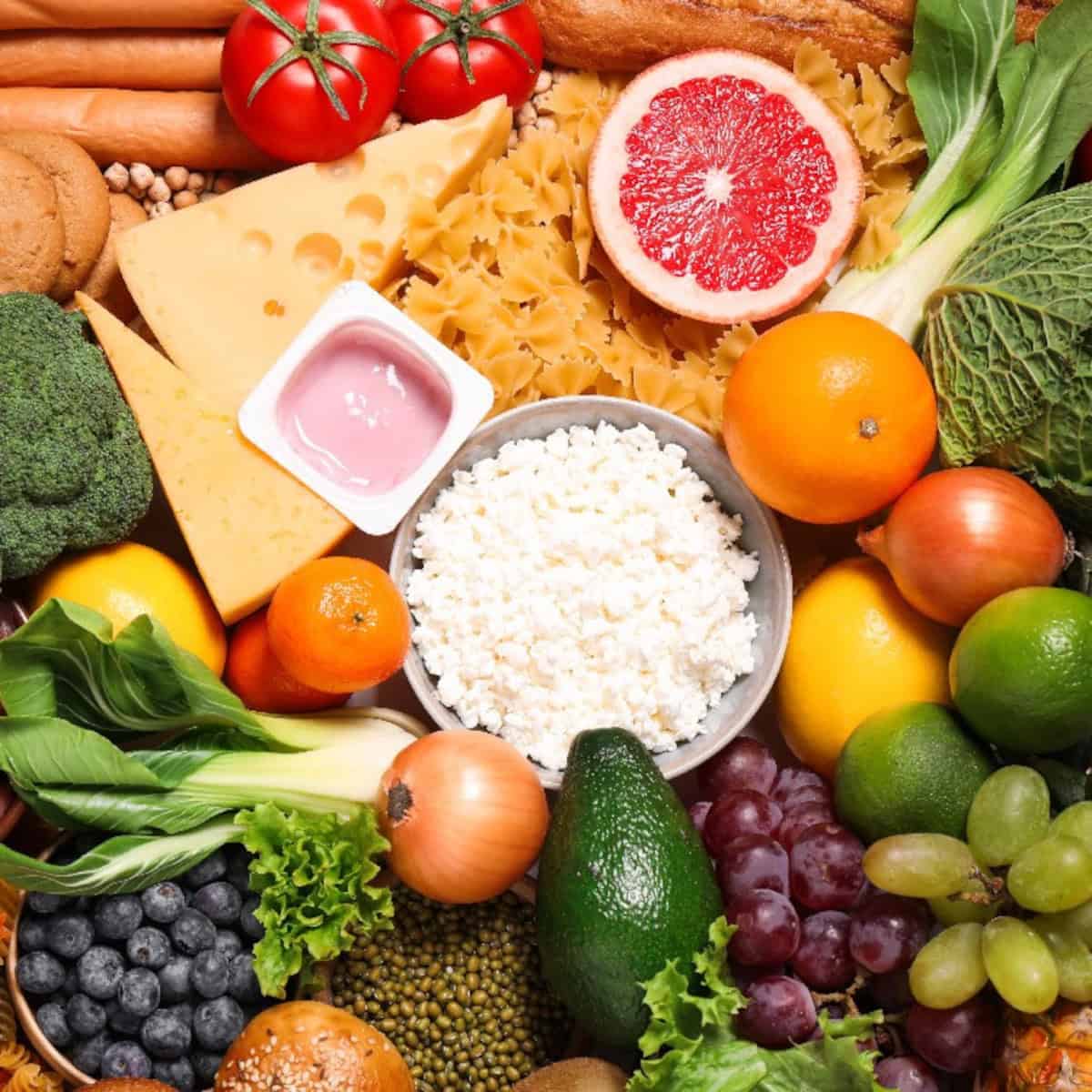
A balanced diet is not about strict limitations, staying unrealistically thin, or depriving yourself of the foods you love. Instead, it's about feeling great, having more energy, improving your health, and boosting your mood. A truly balanced diet is built on the 7 key components your body needs to function at its best. These components work together to fuel your body, support your immune system, and promote long-term wellness.
Here's a breakdown of the 7 essential components of a balanced diet:
- Fruits and Vegetables: Aim to fill half your plate with fruits and vegetables. They are rich in vitamins, minerals, antioxidants, and fiber. Different colors provide different nutrients, so try to eat a rainbow of fruits and veggies every day.
- Proteins: Include a variety of protein sources such as lean meats, fish, eggs, legumes, nuts, and seeds. Protein is crucial for building and repairing tissues, producing enzymes and hormones, and maintaining healthy muscles.
- Whole Grains: Opt for whole grains like brown rice, oats, quinoa, and whole wheat over refined grains. Whole grains are rich in fiber, which helps with digestion and keeps you feeling fuller for longer.
- Dairy: Dairy products such as milk, cheese, and yogurt provide calcium and vitamin D, which are essential for bone health. Choose low-fat or fat-free options when possible.
- Healthy Fats: Include sources of healthy fats, such as avocados, olive oil, nuts, seeds, and fatty fish like salmon. Healthy fats support brain function and help absorb vitamins.
- Water: Staying hydrated is vital to a balanced diet. Water is crucial for every bodily function and helps keep your metabolism running smoothly.
- Vitamins and Minerals (Micronutrients): Micronutrients are essential for immunity, energy production, bone strength, and cellular health. They come from a variety of whole foods, such as fruits, vegetables, nuts, seeds, dairy, whole grains, and lean proteins. Including a wide range of nutrient-dense foods ensures your body gets the vitamins and minerals it needs every day.
Tips for Creating a Balanced Diet
Now that we understand the 7 components of a balanced diet, let's dive into some practical tips and tricks to help you make healthier food choices every day.
1. Start Your Day with a Nutritious Breakfast

Breakfast is often called the most important meal of the day, and for a good reason. A nutritious breakfast sets the tone for the rest of your day, providing the energy and nutrients to kickstart your metabolism. Aim for a balanced breakfast that includes protein, fiber, and healthy fats.
For example, a bowl of oatmeal topped with nuts and fruit, a smoothie made with spinach, banana, and Greek yogurt, or scrambled eggs with whole-grain toast and avocado are all excellent options.
Pro Tip: If you're short on time in the morning, consider preparing overnight oats or smoothie packs the night before. This way, you can grab a nutritious breakfast on the go.
2. Incorporate More Plant-Based Foods
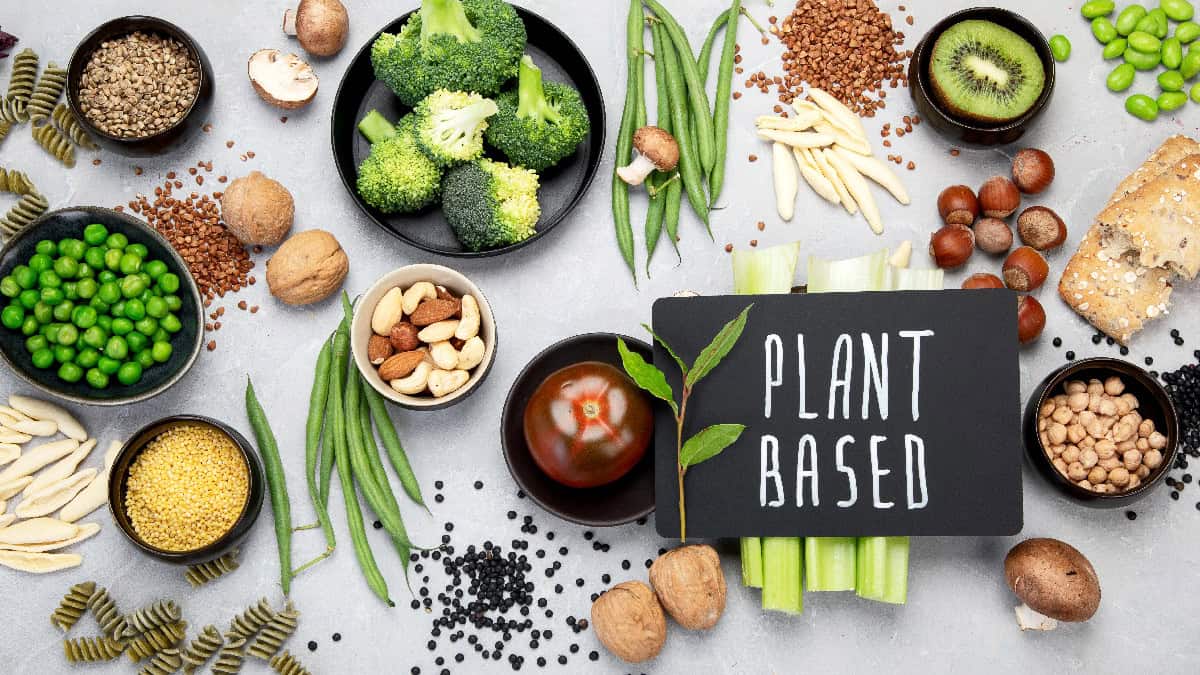
Incorporating more plant-based foods into your diet is a great way to ensure you're getting a variety of nutrients. Plant-based diets are rich in fiber, vitamins, and minerals and can help reduce the risk of chronic diseases. Aim to make at least half of your meals plant-based by focusing on fruits, vegetables, legumes, nuts, and seeds.
Quick Idea: Try adding a meatless day to your week, such as "Meatless Monday." Experiment with plant-based recipes like lentil soup, chickpea salad, or a vegetable stir-fry.
3. Practice Portion Control
Portion control is key to maintaining a balanced diet without overeating. Being mindful of portion sizes can help prevent consuming excess calories, which can lead to weight gain and other health issues. Use smaller plates and bowls to help manage portion sizes, and be mindful of serving sizes, especially with high-calorie foods.
Trick: When eating out, consider sharing a dish with a friend or packing half your meal to go. Restaurants often serve portions much larger than a single serving.
4. Limit Added Sugars and Processed Foods
While it's okay to indulge occasionally, a balanced diet should limit the intake of added sugars and heavily processed foods. These foods often contain empty calories with little nutritional value and can contribute to weight gain, diabetes, and other health issues. Instead, focus on whole, unprocessed foods that are rich in nutrients.
Healthy Swap: Instead of reaching for sugary snacks or desserts, try satisfying your sweet tooth with fresh fruit or a small piece of dark chocolate.
5. Stay Hydrated with Water

Water is essential for digestion, nutrient absorption, and overall bodily function. It's easy to mistake thirst for hunger, which can lead to unnecessary snacking. Make it a habit to drink water throughout the day. Keep a water bottle with you and aim to drink at least 8 cups (64 ounces) of water daily.
Hydration Tips:
• Infuse your water with fruits like lemon, lime, or berries for added flavor.
• Set reminders on your phone or use a water-tracking app to ensure you're meeting your hydration goals.
6. Read Food Labels and Understand Ingredients
Understanding what's in your food is crucial for maintaining a balanced diet. When grocery shopping, take the time to read food labels and ingredient lists. Look for products with minimal ingredients and avoid those with high amounts of added sugars, sodium, and unhealthy fats.
Label Reading 101:
• Ingredients are listed in order of quantity, from highest to lowest.
• Be wary of ingredients like high-fructose corn syrup, hydrogenated oils, and artificial additives.
7. Balance Your Meals with the Plate Method

The plate method is a simple visual tool to help you create balanced meals. Divide your plate into four sections: half should be filled with non-starchy vegetables (like leafy greens, broccoli, or peppers), a quarter with lean protein (like chicken, fish, or tofu), and the remaining quarter with whole grains (like brown rice or quinoa).
Example Plate: Grilled salmon with a side of quinoa, steamed broccoli, and a mixed green salad.
8. Cook at Home More Often
Cooking at home allows you to control the ingredients and portion sizes of your meals, making it easier to maintain a balanced diet. Experiment with new recipes and make cooking a fun, enjoyable experience. You can also involve your family or friends, turning meal prep into a social activity.
Kitchen Tip: Keep your pantry stocked with healthy staples like whole grains, canned beans, and frozen vegetables. These ingredients can be used to whip up a quick and balanced meal in no time.
9. Snack Smart

Snacking can be a healthy part of your diet if done mindfully. Choose snacks that balance protein, healthy fats, and fiber to keep you satisfied between meals. Some great options include Greek yogurt with berries, a handful of nuts, hummus with carrot sticks, or apple slices with almond butter.
Snack Prep: Keep healthy snacks readily available at home or in your bag to avoid reaching for less nutritious options when hunger strikes.
10. Practice Mindful Eating
Mindful eating involves paying attention to your food and the experience of eating. It encourages you to slow down, savor each bite, and listen to your body's hunger and fullness cues. This practice can help prevent overeating and promote a more balanced approach to eating.
Mindful Eating Tips:
• Eat without distractions, such as watching TV or scrolling on your phone.
• Take small bites and chew thoroughly.
• Pause between bites to check in with your hunger levels.
Final thoughts
Creating a balanced diet doesn't have to be complicated. By focusing on the 7 components of a balanced diet and making small, sustainable changes, you can build healthier habits that last. Incorporate a variety of foods, practice portion control, stay hydrated, and make mindful choices to support your overall well-being.
Remember, it's all about balance and moderation, not perfection. Start with small changes, and over time, these healthy habits will become second nature. Here's to a healthier, more balanced you!




Leave a Reply