
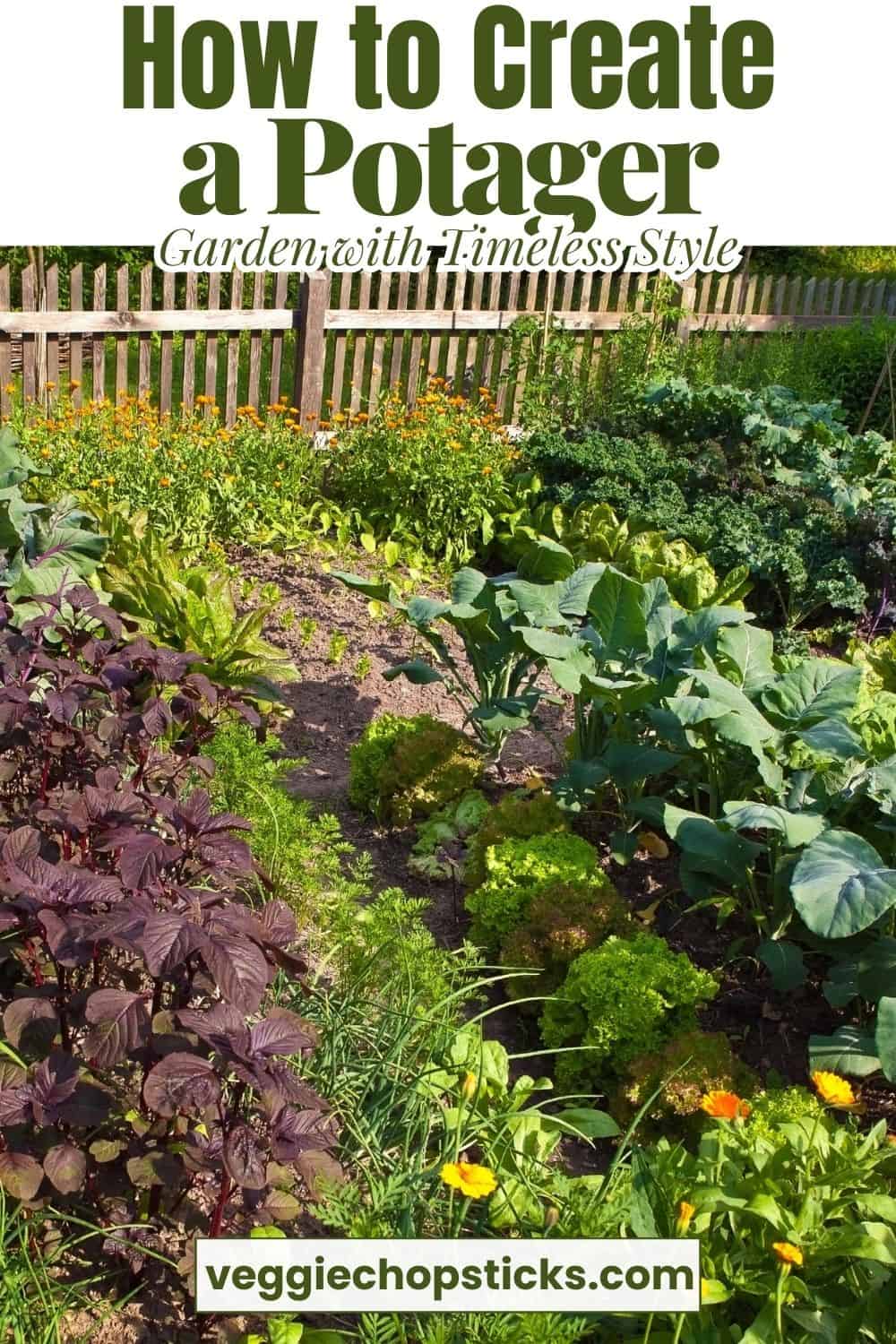
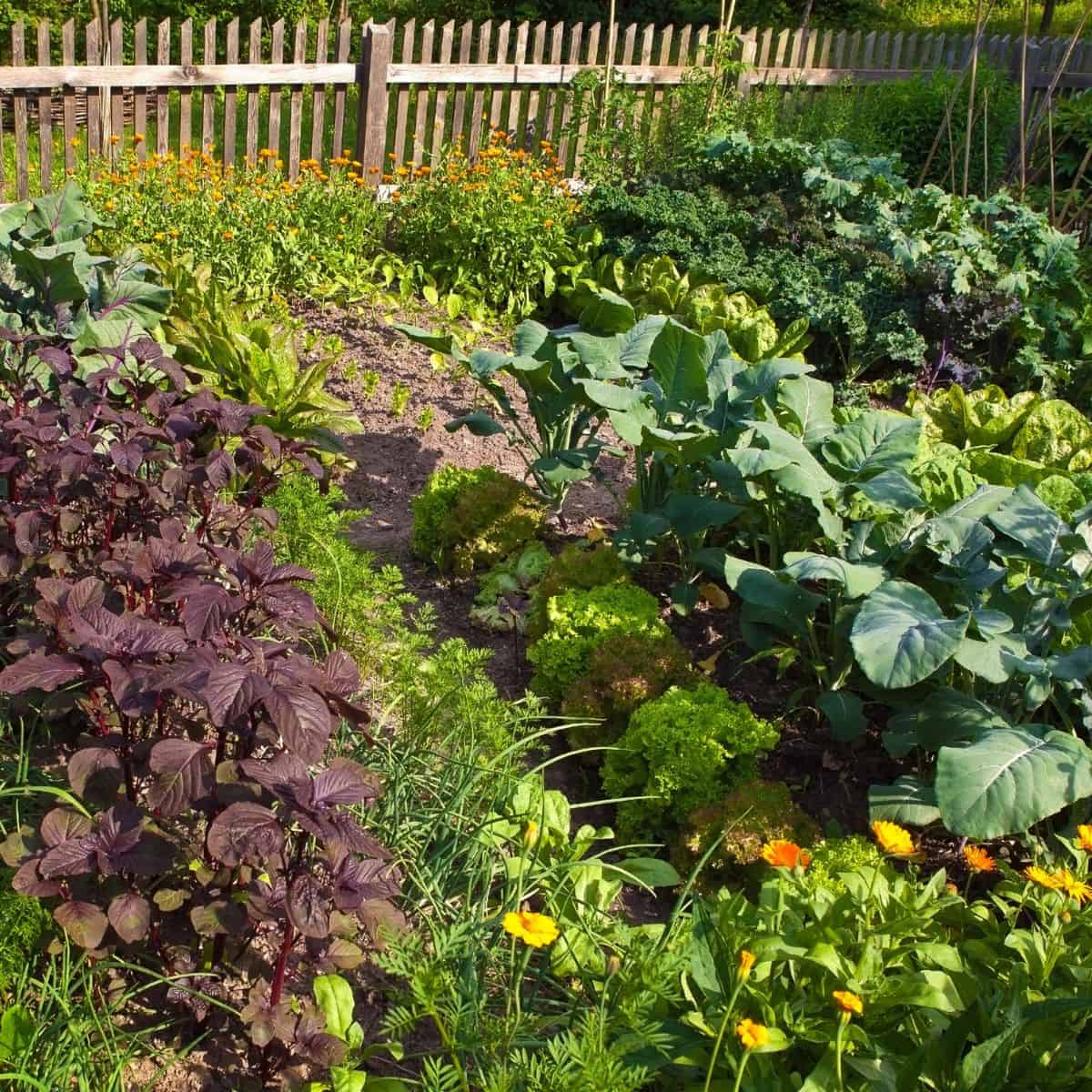
If you love the idea of harvesting fresh herbs, fruits, and vegetables while enjoying an attractive outdoor space, a potager garden offers the perfect balance. This traditional French gardening style blends edible crops with ornamental plants to create a space that is both productive and visually beautiful.
Jump To
- The Origins of Potager Gardens
- Combining Pretty with Practical
- Benefits of a Potager Garden
- Companion Planting and Ornamental Plants
- Common Potager Vegetables and Herbs
- Tomatoes and Leafy Greens
- Root Crops and Legumes
- Culinary Herbs
- Five Steps to Starting Your Own Potager Garden
- What Flowers Are Best for a Potager Garden?
- Why You Need a Potager Garden
- YOU MAY ALSO LIKE
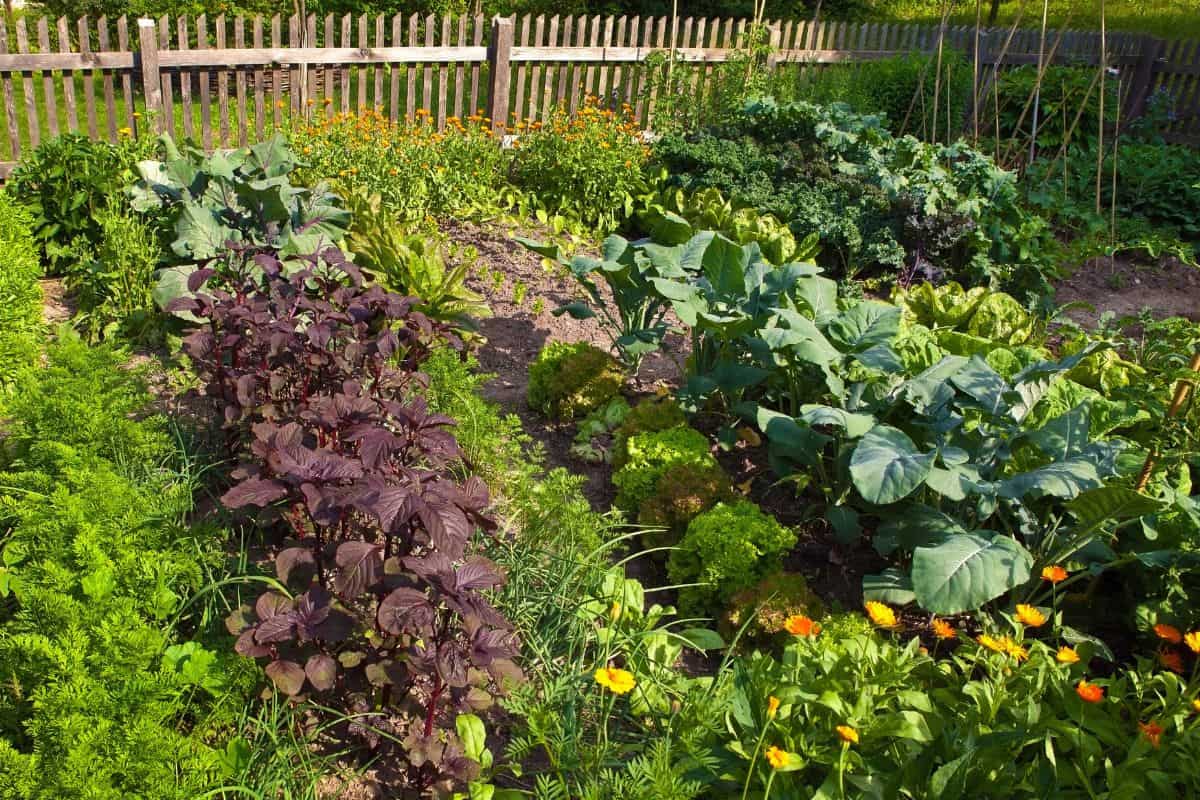
Unlike a standard vegetable garden focused only on food production, potager gardens combine structure, color, and texture so the garden becomes part of the landscape design. With thoughtful planning, even a small space can become a charming kitchen garden filled with raised beds, flowers, and edible plants.
Below, you'll learn the history of potagers, their defining features, and step-by-step guidance for designing your own potager garden at home.
The Origins of Potager Gardens
A potager garden is a carefully designed kitchen garden with vegetables, fruits, edible flowers, and herbs. The word "potager" comes from the French word "potage," meaning soup or stew.
Historically, these gardens were created near castles, monasteries, and estate kitchens so cooks could harvest fresh ingredients daily. Early potagers prioritized efficient growing space and reliable food production rather than decorative layouts.
This gardening method originated to create vegetable gardens for large estates, medieval monasteries, and castles. These early potagers focused on practicality over pretty gardens, but they've evolved into carefully designed forms of herb gardens or vegetable gardens suitable for any home.
Over time, gardening became more popular among the nobility. During the Renaissance, potagers began planting ornamental shrubs and companion plants alongside edible ones to create beautiful gardens.
One famous example is the Potager du Roi (King's Kitchen Garden) at Versailles Palace in France.
Combining Pretty with Practical
Modern potager gardens combine beauty with function through a range of design elements.
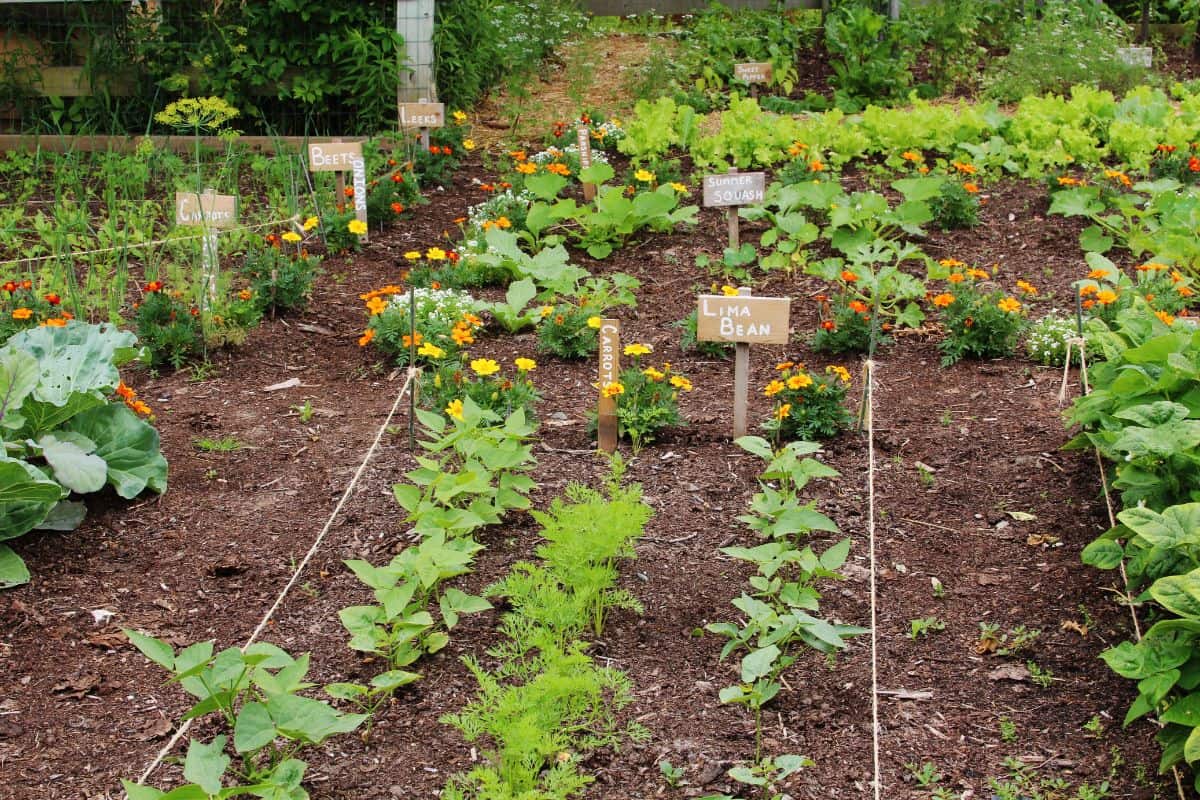
Think about the geometric patterns of herb gardens. Or meandering pathways between berry bushes and fruit trees. You'll even find pretty flowers planted between rows of colorful vegetables like tomatoes and peppers.
Today's potager garden often includes raised beds, climbing plants on trellises, and decorative edging that frames each planting area. This structured layout keeps the garden organized while maintaining a lush, natural feel.
Many people love this type of garden as it allows them to provide food for their families. At the same time, they get to enjoy a stunning outdoor area suitable for leisure or hosting guests at a summer barbecue. Some gardens may even include small conservatory-style greenhouses.
Because edible plants and ornamentals grow together, potager gardens deliver year-round harvests while maintaining strong visual appeal.
To learn more about designing your beautiful yet functional garden, check out resources like "The American Potager Handbook" for inspiration and guidance.
"I find the easiest thing to grow in a kitchen garden is green onions (or scallions). Just add soil to a pot, poke holes in the soil, add the white bulbs of the green onion to the pot with the roots facing downward, gently compact the soil, and water your cuttings. Then leave them in the sun to grow!" - Gen La Rocca, Two Cloves Kitchen
Benefits of a Potager Garden
Modern potager gardens are often designed with an informal or romantic style influenced by organic gardening principles. A well-designed garden provides many benefits.
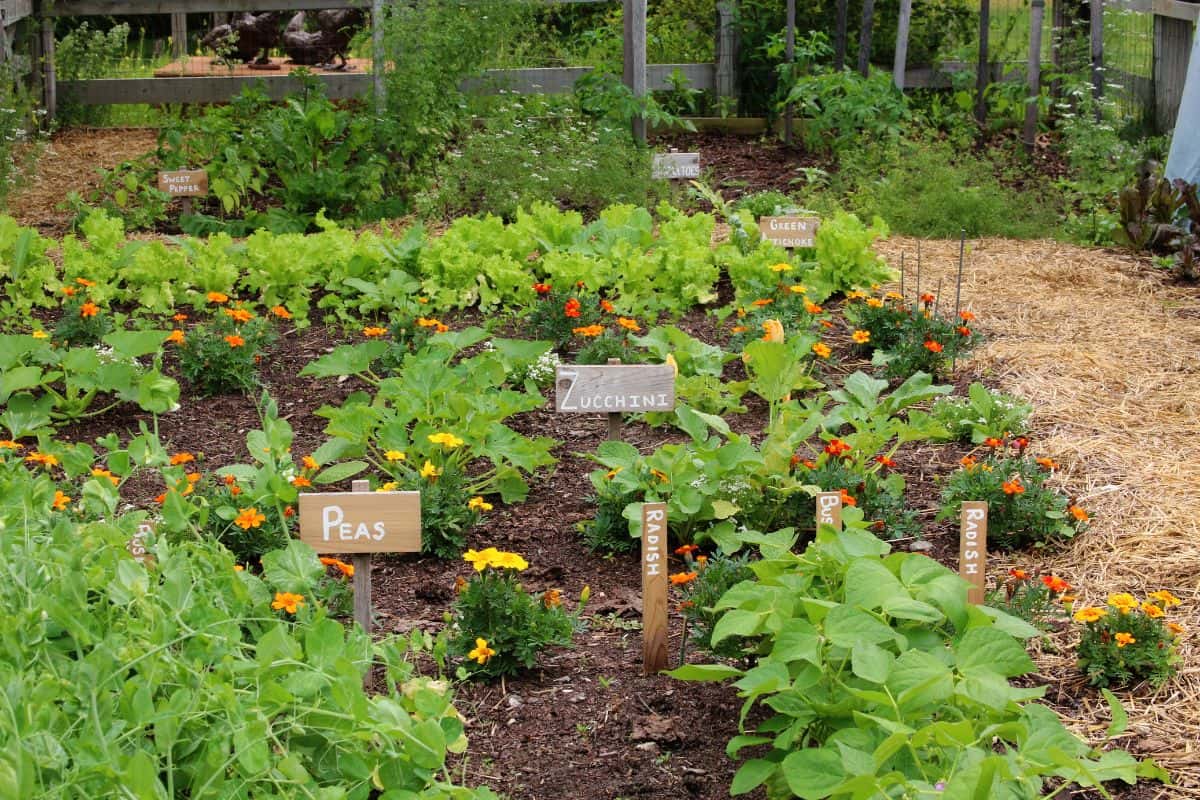
A potager garden serves as both a landscape feature and a food source, blending decorative beds with productive crops.
Potager or kitchen gardens use sustainable and organic techniques, like composting, crop rotation, and all-natural fertilizers.
They provide food and year-round access to fresh produce using cold frames or greenhouses, even during colder months. This helps reduce grocery bills and gives your family access to nutrient-rich food all year round.
Because crops are grown near the kitchen, harvesting is quick and convenient, saving time and encouraging fresh cooking habits.
Companion Planting and Ornamental Plants
Many potagers use companion planting strategies where certain plant species are grown together because they benefit each other. For example, growing basil near tomatoes improves their flavor. And studies show that growing marigolds helps deter nematodes (microscopic worms) from attacking root crops.
Companion planting also enhances garden health by attracting pollinators and beneficial insects that naturally protect crops.
In addition to edible varieties, ornamental plants and decorative flowers like nasturtiums attract insects that prey on common pests, keeping them under control naturally within the ecosystem created by your garden space.
Common Potager Vegetables and Herbs
When designing your garden, remember to include herbs and vegetables that add flavor and visual interest. Parsley, dill, and rosemary are popular options. Just make sure you have good drainage when you plant them.
Tomatoes and Leafy Greens
Tomatoes are a popular choice for vegetable gardens due to their versatility in recipes and ease of cultivation. In addition, they come in various shapes, sizes, and colors, adding visual interest to your potager.
Similarly, leafy greens such as spinach, kale, and Swiss chard offer nutritional value and ornamental appeal with their vibrant foliage.
And remember to try growing broccoli seeds in your garden.
Colorful leafy greens such as Swiss chard add striking stems and texture, making them ideal for decorative planting beds.
Root Crops and Legumes
Incorporating root crops such as carrots, potatoes, and beets into your potager design is a great way to add inexpensive veggies to your backyard garden.
And legumes like beans or peas are also great additions because legumes enrich the soil. by fixing nitrogen through symbiotic relationships with bacteria present on their roots.
Climbing varieties of these legumes can grow up trellises or other vertical structures, adding another layer of beauty.
Tip: Try vertical gardening to maximize your outdoor gardening space.
Trellised peas and beans serve as both food crops and climbing plants, adding vertical interest to raised beds.
Culinary Herbs
Culinary herbs enhance the flavors of your home-cooked meals. They also play a vital role in natural pest management strategies within your garden. You might like growing these:
- Basil is a versatile herb used in many cuisines and has a strong aroma that repels pests like aphids.
- Mint is known for its refreshing flavor and can deter pests such as ants and mice.
- Sage is a popular herb in savory dishes with a strong scent that deters cabbage moths and carrot flies.
- Thyme is an essential ingredient in many recipes and attracts beneficial insects, such as ladybugs, while repelling harmful ones, such as whiteflies.
Including these aromatic plants will create an ecosystem that promotes healthy growth without relying on chemical pesticides.
"Mint is such an easy herb to grow, so it is a great one for beginners. Be careful though - it can take over garden beds, so it works better in a container."
- Susannah Brinkley Henry, Feast + West
Five Steps to Starting Your Own Potager Garden
To start your own potager garden, follow these five steps.
1. Choose an ideal location
Select a location near your home or kitchen for easy harvesting and regular maintenance. Make sure this spot gets enough sunlight (no less than 6 to 8 hours daily) and has decent water flow. This will provide the best growing conditions for most vegetables and herbs commonly grown in potager gardens.
A sunny location near the kitchen ensures frequent harvesting and keeps maintenance manageable throughout the growing year.
2. Determine size and shape
Determine the size and shape of your plot based on available space. Consider incorporating raised beds or containers.
Raised beds offer several advantages, such as improved soil quality, better drainage, easier weed control, and higher yields compared to traditional in-ground gardens.
Raised beds also define the layout of a potager garden, creating structured planting zones that look organized and attractive.
3. Select favorite foods to grow
Plan out which vegetables you love eating most as primary crops. This may include veggies such as tomatoes, leafy greens, root crops, and legumes.
Select culinary herbs you'll use in your cooking, such as basil, mint, sage, thyme, dill, chives, cilantro, rosemary, and parsley. These herbs not only enhance flavors but also repel harmful insects due to their strong scents.
Finally, include edible landscaping elements such as fruit trees and berry bushes to add variety and visual interest to your potager garden.
Fruit trees positioned along garden edges provide height, structure, and seasonal harvests within the design.
4. Design a pretty and practical layout
Create a layout that suits the environment and setting while also considering plant productivity factors such as sunlight exposure requirements and good drainage.
Grow vegetables in geometric patterns or informal groupings based on their growth habits, colors, textures, and companion planting principles. This will look nice and promote healthy plant growth. Learn more about companion planting before you start.
Balanced symmetry, pathways, and repeating plant patterns help the potager feel cohesive and visually appealing.
5. Add some character
The best potagers know their gardens need some character. So look for non-plant components to add visual interest and delight your visitors.
Consider creating paths from natural materials such as gravel or wood chips in larger gardens.
Place unique DIY planters or decorative pots at the entrance to your garden filled with matching edible flowers.
Or add a few functional items like rainwater barrels and compost bins that blend seamlessly into the overall design of your potager garden.
These elements enhance visual appeal and support sustainable gardening practices.
Decorative arches, edging, and containers reinforce the French potager style while keeping the space organized.
What Flowers Are Best for a Potager Garden?
Incorporating flowering plants into a potager garden adds color while attracting pollinators essential for vegetable production.
Some popular choices include marigolds (for pest control), nasturtiums (edible), lavender (aromatic & insect repellent), calendula (medicinal & edible), borage (attracts bees), and sunflowers (supports climbing plants).
These flowers support pollinators, improve plant health, and add seasonal color throughout the garden beds.
Why You Need a Potager Garden
A potager garden is an excellent way to cultivate fresh produce and herbs while enhancing your homestead. Following the steps outlined in this post, you can start your potager garden and enjoy its many benefits.
Remember to choose the right location, prepare the soil properly, select plants that complement each other, design a layout that suits your needs and style preferences, and maintain it with regular watering and pest control.
With thoughtful design and plant selection, a potager garden becomes a productive and beautiful space that nourishes both body and home year after year.



Leave a Reply