
When people first explore what a vegan diet is, one of the biggest concerns is getting enough healthy fats. It's a common misconception that a vegan diet is low in fat or lacking in essential nutrients. In reality, there are plenty of nourishing, satisfying vegan sources of fat that support energy, brain function, and long-term health.
Jump To
- Best Vegan Sources of Fat for a Healthy Plant-Based Diet
- Healthy Fats vs Saturated Fats in a Vegan Diet
- How Much Fat Do You Need Per Day on a Vegan Diet?
- Vegan Nutrition: Essential Fatty Acids and Nutrient Absorption
- Common Questions About Vegan Food and Fat Intake
- Vegan Sources of Fat and Other Key Nutrients
- Final Thoughts
- FAQ
- You May Also Like
Many of us grew up hearing that fat should be avoided, but modern nutrition tells a different story. The right kinds of fats, especially unsaturated fats and essential fatty acids, are vital for maintaining heart health, supporting hormones, and helping your body absorb key vitamins.
Whether you're new to veganism or simply trying to eat more plant-based foods, understanding these fat sources helps you build a more complete and balanced diet.
Best Vegan Sources of Fat for a Healthy Plant-Based Diet
When it comes to healthy vegan fats, whole foods are your best friend. These foods provide not only fat, but also fiber, protein, and important micronutrients.
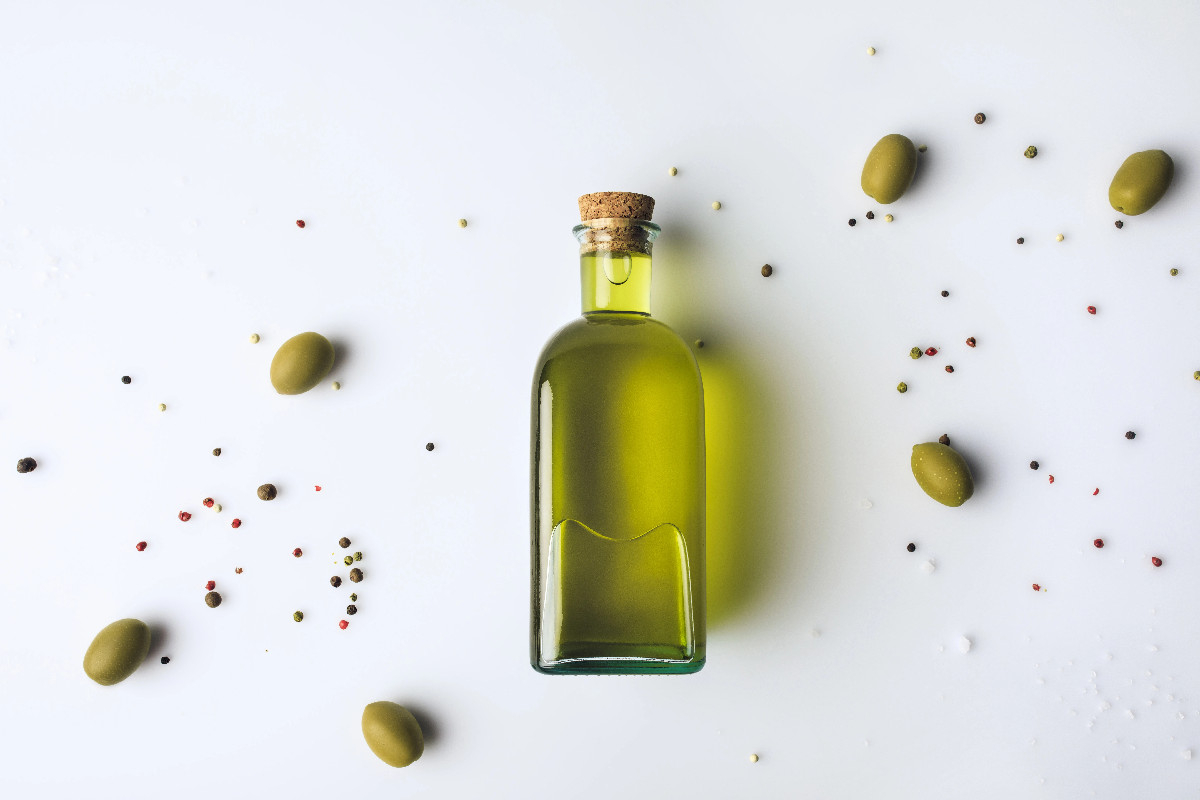
Extra-virgin and virgin olive oils are widely used for their robust flavor and notable health benefits, particularly in supporting cardiovascular health.
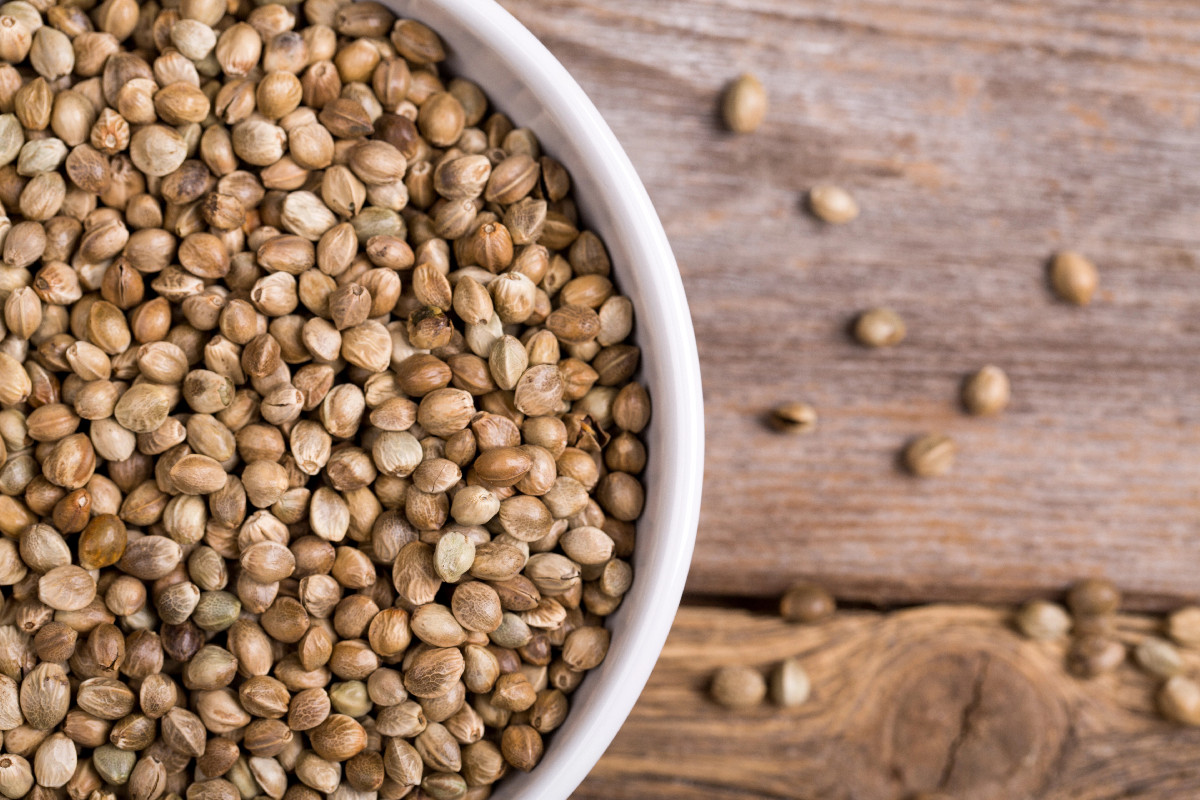
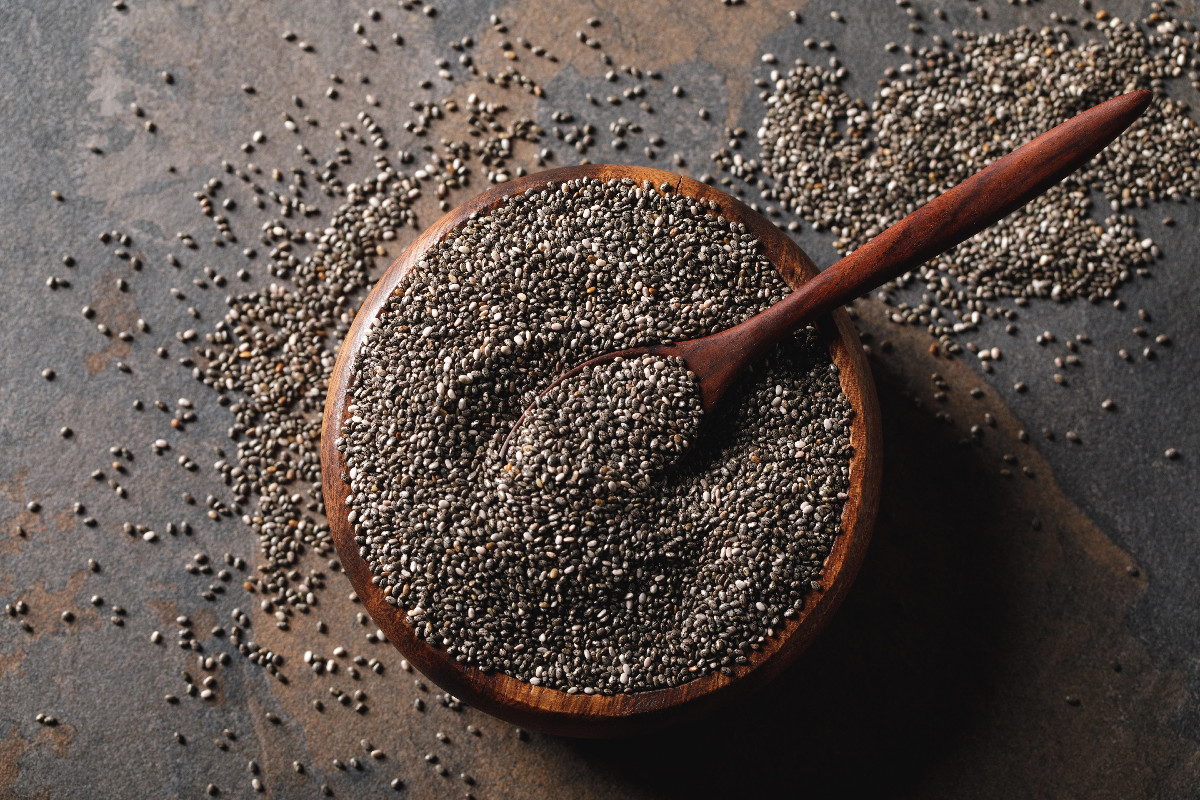
Nuts and seeds, such as chia and hemp, provide valuable omega-3 and omega-6 fatty acids, which play an important role in brain health and may help lower the risk of heart-related conditions.
Avocados are another staple in a plant-based diet, offering creamy texture along with healthy fats and potassium.
Even seed oil can be part of a healthy routine when minimally processed, though whole food sources are generally preferred. Including a variety of these foods ensures you're getting a full range of essential fatty acids.
Healthy Fats vs Saturated Fats in a Vegan Diet
Not all fats are created equal, and understanding the difference is key to building a healthy vegan lifestyle.
Unsaturated fats, found in foods like olive oil, nuts, and seeds, are considered beneficial and are linked to improved heart health. These are the fats you want to include regularly in your meals.
On the other hand, saturated fats, even in plant foods like coconut, should be consumed in moderation. While they can be part of a healthy diet, too much may contribute to long-term health concerns.
It's also important to avoid trans fats, which are often found in highly processed foods. Keeping your diet focused on whole, plant-based ingredients helps naturally limit these.
Balancing these different types of fats ensures your diet supports long-term wellness.
How Much Fat Do You Need Per Day on a Vegan Diet?
A common question is how much fat you should eat per day on a vegan diet. The answer depends on your overall calorie needs, but fats should make up a meaningful portion of your daily intake.
Rather than focusing on strict numbers, it's more helpful to think in terms of balance. Including a source of healthy fats in each meal, like a drizzle of olive oil, a handful of seeds, or a serving of nuts, helps keep you full and satisfied.
Pairing fats with protein, whole grains, and fiber-rich foods like vegetables creates meals that support steady energy and better overall nutrition.
Vegan Nutrition: Essential Fatty Acids and Nutrient Absorption
One of the most important roles of fat in a vegan diet is helping your body absorb nutrients. Fat-soluble vitamins, including vitamin D, require dietary fat for proper utilization.
This is especially important when thinking about vegan nutrition and nutrients like vitamin b12, calcium, and even vegan sources of vitamin d. While some of these nutrients come from fortified foods, pairing them with healthy fats improves absorption.
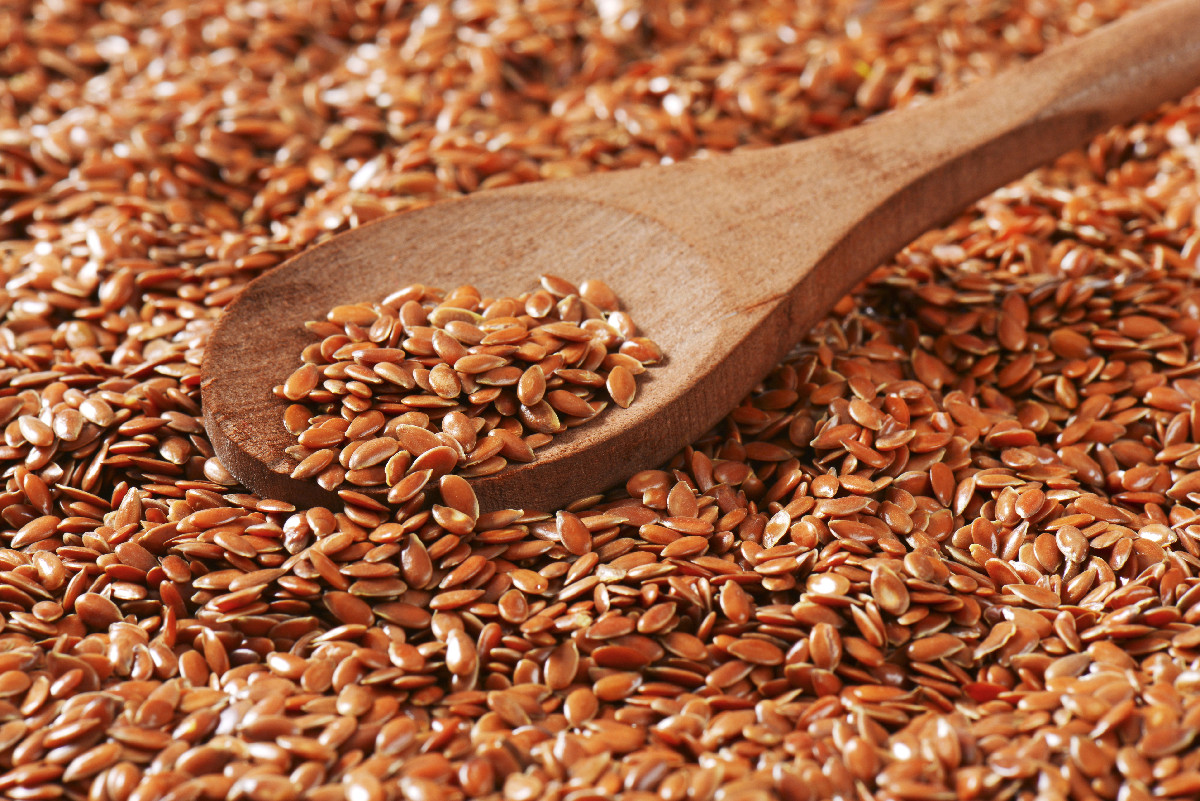
Foods like chia seeds, flaxseed, and hemp seeds are also excellent vegan sources of omega-3 and 6, which are essential for overall health.
Including a variety of fat sources ensures your body gets what it needs to thrive on a plant-based lifestyle.
Common Questions About Vegan Food and Fat Intake
Many beginners exploring what vegans can eat often wonder if they're missing out on important nutrients. They frequently ask questions like, "Do vegans eat eggs?" or "Are eggs vegan?" especially when transitioning to a plant-based diet.
The answer is that a well-planned vegan diet can provide everything your body needs, including fats, without relying on animal products.
There are also plenty of options for building satisfying meals, from hearty grain bowls to simple bread topped with avocado and seeds. These meals are not only friendly for everyday eating but also support long-term health goals.
Vegan Sources of Fat and Other Key Nutrients
While focusing on fats, it's important to consider the bigger picture of your diet. Many people researching vegan sources of fat are also curious about nutrients like iron and calcium.
The good news is that many fat-rich foods overlap with other nutrients. For example, nuts and seeds can provide vegan sources of iron, while fortified foods provide vegan sources of calcium.
Combining a variety of foods ensures your diet supports everything from energy levels to bone health. This approach also helps address concerns about the long-term effects of vegan diet patterns.
Final Thoughts
Understanding vegan sources of fat doesn't have to be complicated. By focusing on simple, whole foods like nuts, seeds, and plant-based oils, you can easily build meals that are both satisfying and nourishing. Small, consistent choices like these make it easier to support your long-term health while still enjoying what you eat.
FAQ
Some of the best include extra-virgin olive oil, nuts, seeds such as chia and hemp, and avocados. These provide essential nutrients and healthy fats.
Yes, foods like flaxseed, chia, and hemp are excellent vegan sources of omega-3 and 6.
In general, unsaturated fats from plants are linked to better heart health compared to high intake of animal-based saturated fat.
Yes, with a well-planned diet that includes nutrients like vitamin B12, calcium, and healthy fats, a vegan diet can support long-term health.


Leave a Reply