
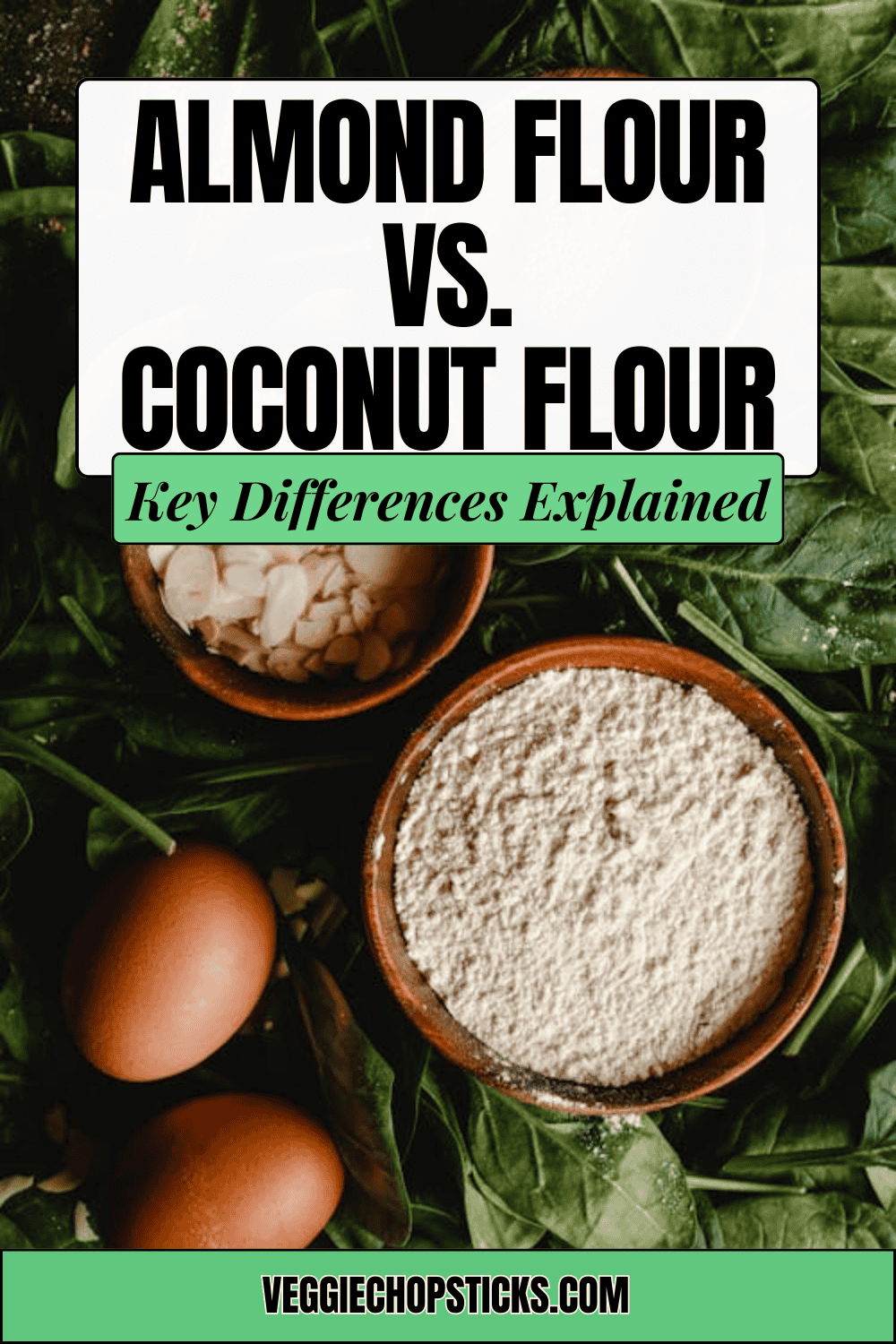
Curious about how almond flour stacks up against coconut flour? Our comprehensive comparison breaks down the key differences between the two, including nutritional details, net carbs, proper measurement methods, and tasty keto-friendly recipe ideas.
Jump To
- Low-Carb Flour Alternatives
- Why Use Low-Carb Flours?
- Coconut Flour vs. Almond Flour for Keto
- What Exactly Is Coconut Flour?
- Creative Ways to Use Coconut Flour
- Tips for Substituting Coconut Flour
- What Is Almond Flour?
- Almond Flour vs. Almond Meal
- Baking with Almond Flour: Tips & Tricks
- Nutrition Comparison: Coconut vs. Almond Flour
- Swapping Almond Flour and Coconut Flour
- Baking Differences
- Make Your Own Flours
- Extra Tips
- Final thoughts
- YOU MAY ALSO LIKE
Low-Carb Flour Alternatives
If you're following a keto or low-carb lifestyle, regular wheat flour isn't an option. Instead, there's a variety of low-carb and keto flour substitutes you can turn to for baking and cooking. Two of the most popular choices are almond flour and coconut flour, each providing plenty of healthy fats and protein while keeping net carbs low.
Why Use Low-Carb Flours?
Choosing flours such as almond and coconut can offer several advantages. They are perfect for those following a low-carb or keto diet, because they have far fewer net carbs than all-purpose flour but pack in more healthy fats and protein. Much like cauliflower rice, these flours are naturally gluten- and grain-free, which also makes them an excellent pick for people with dietary restrictions.
Keep in mind, though, that their baking properties differ, so recipes often need slight adjustments.
Coconut Flour vs. Almond Flour for Keto
So, which flour works best on a keto diet? It really depends on your goals and taste preferences. Coconut flour is fiber-rich and very low in net carbs, whereas almond flour offers more protein and beneficial fats. Both have unique textures and flavors that can enhance your recipes.
What Exactly Is Coconut Flour?
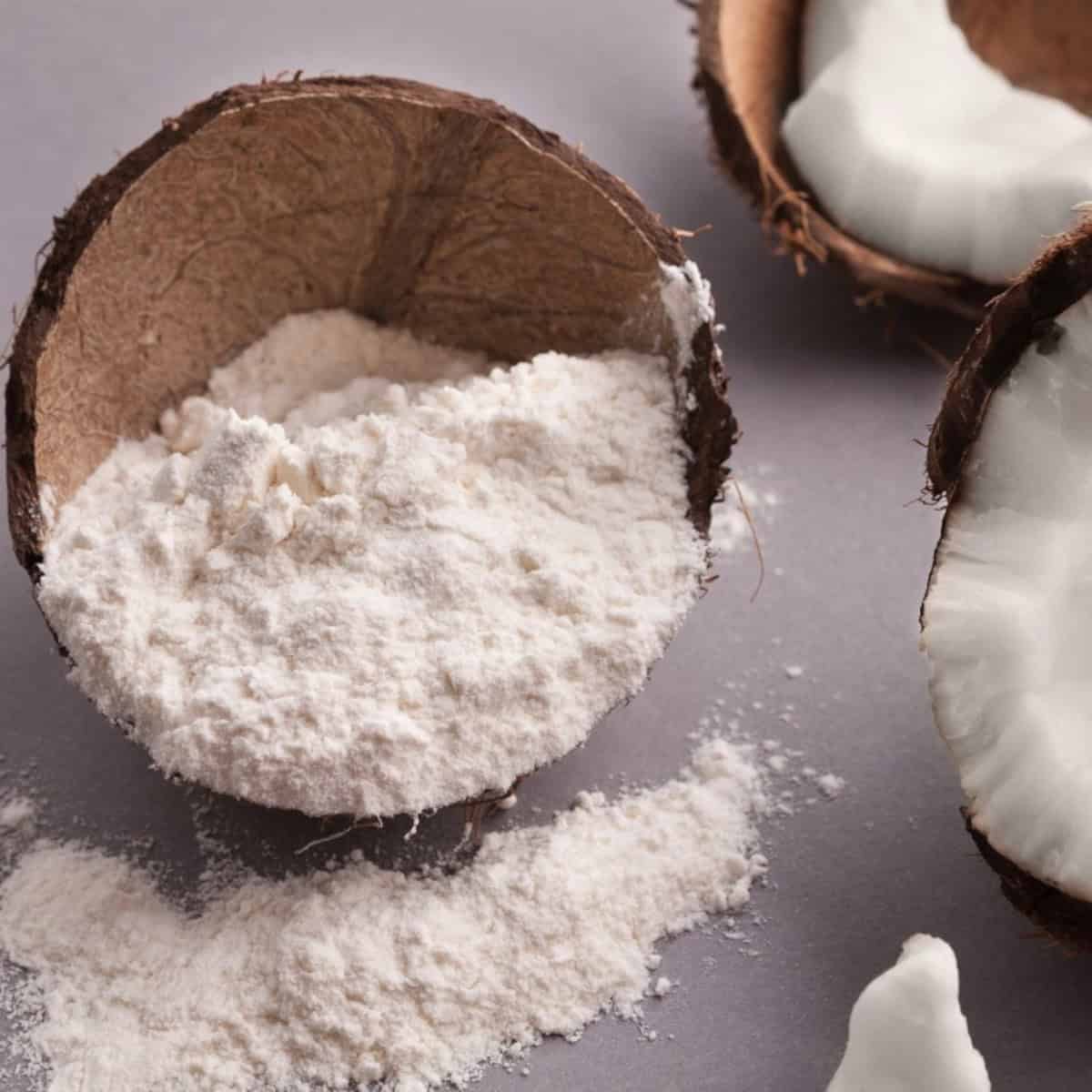
Coconut flour is made from dried coconut meat that's finely milled into a soft powder. Its naturally sweet flavor and light texture make it a favorite for baking desserts, pancakes, and other sweet treats.
Creative Ways to Use Coconut Flour
This versatile flour can do far more than just make cakes. In a keto kitchen, you can whip up everything from savory breadsticks and steamed buns to muffins and pancakes. Experimenting with new recipes can help you discover just how flexible this low-carb ingredient can be.
Tips for Substituting Coconut Flour
Because coconut flour is highly absorbent and has an unusual texture, it can be tricky to substitute directly. Adjusting the liquid and adding extra binding agents, like eggs, helps you get consistent results. Learning the proper ratios will make your baked goods turn out perfectly every time.
What Is Almond Flour?

Photo credit: Pexels.
Almond flour is a finely ground powder made from blanched almonds. Its mildly sweet, nutty taste works in everything from cakes and cookies to breading for meats and even as a thickener for sauces and gravies.
Almond Flour vs. Almond Meal
Although many people treat them as the same thing, there's a notable distinction. Almond flour comes from blanched almonds with skins removed and has a fine texture, while almond meal (or unblanched almond flour) is coarser because it retains the skins. This difference can affect the look and feel of your finished baked goods, so choose carefully for each recipe.
Baking with Almond Flour: Tips & Tricks
Almond flour lets you enjoy indulgent baked goods without leaving the low-carb track, but its high fat content and unique texture require some technique. By mastering proper ratios and flavor pairings, you can produce consistently delicious results.
Nutrition Comparison: Coconut vs. Almond Flour
Both flours are gluten-free, grain-free, and keto-friendly, yet their nutrition profiles vary. Per 100 g, coconut flour has around 7 g net carbs; almond flour has about 3 g. However, you generally use only about ¼ cup of coconut flour for each cup of almond flour in a recipe, which makes the carb impact roughly comparable overall.
Swapping Almond Flour and Coconut Flour
Because they behave so differently, replacing one with the other isn't straightforward. A good starting point is a 4:1 ratio-use a quarter cup of coconut flour for every cup of almond flour and increase the liquid. Expect some trial and error to perfect each recipe.
To start with, I use a ratio of four to one. For a cup of almond flour, I replace it with a quarter cup of coconut flour. This is, of course, just an estimate on how to start when developing the recipe.
Baking Differences
Coconut flour soaks up much more liquid and is best for breads, cakes, and muffins. Almond flour is more forgiving and needs less liquid. Choosing the right one for each recipe can help ensure success.

Make Your Own Flours
DIY almond or coconut flour can save money and give you complete control over freshness and additives. It's easier than you might think.
How to Make Coconut Flour:
Use shredded or desiccated coconut (fresh from making coconut milk if you like). Spread the leftover pulp on a baking sheet, dry it at a low oven temperature, blend to a fine powder, then sift. Homemade coconut flour avoids hidden sugars and preservatives.
How to Make Almond Flour:
Start with blanched almonds (skins removed). Pulse in a food processor until fine. Like coconut flour, homemade almond flour is budget-friendly and lets you control quality.
Extra Tips
- Blanching almonds: To create white almond flour, boil almonds with skins for two minutes, drain, and peel once the skins loosen.
- Yield: About 1½ cups of almonds produces 2 cups of almond flour; 2½ cups of coconut shreds give about 1 cup of coconut flour.
Final thoughts
Almond and coconut flour each bring their own strengths to gluten-free and low-carb baking. Once you understand their differences in texture, flavor, and ratios, it's easy to swap or combine them for better results. Use the tips and tricks above to experiment with your favorite recipes and find the balance that works best for your kitchen.


Leave a Reply