

Are you ready to start a fragrant journey to better well-being? This beginner-friendly guide to aromatherapy helps you understand essential oil basics, safe routines, and how to choose natural options that fit your lifestyle.
Jump To
Aromatherapy 101
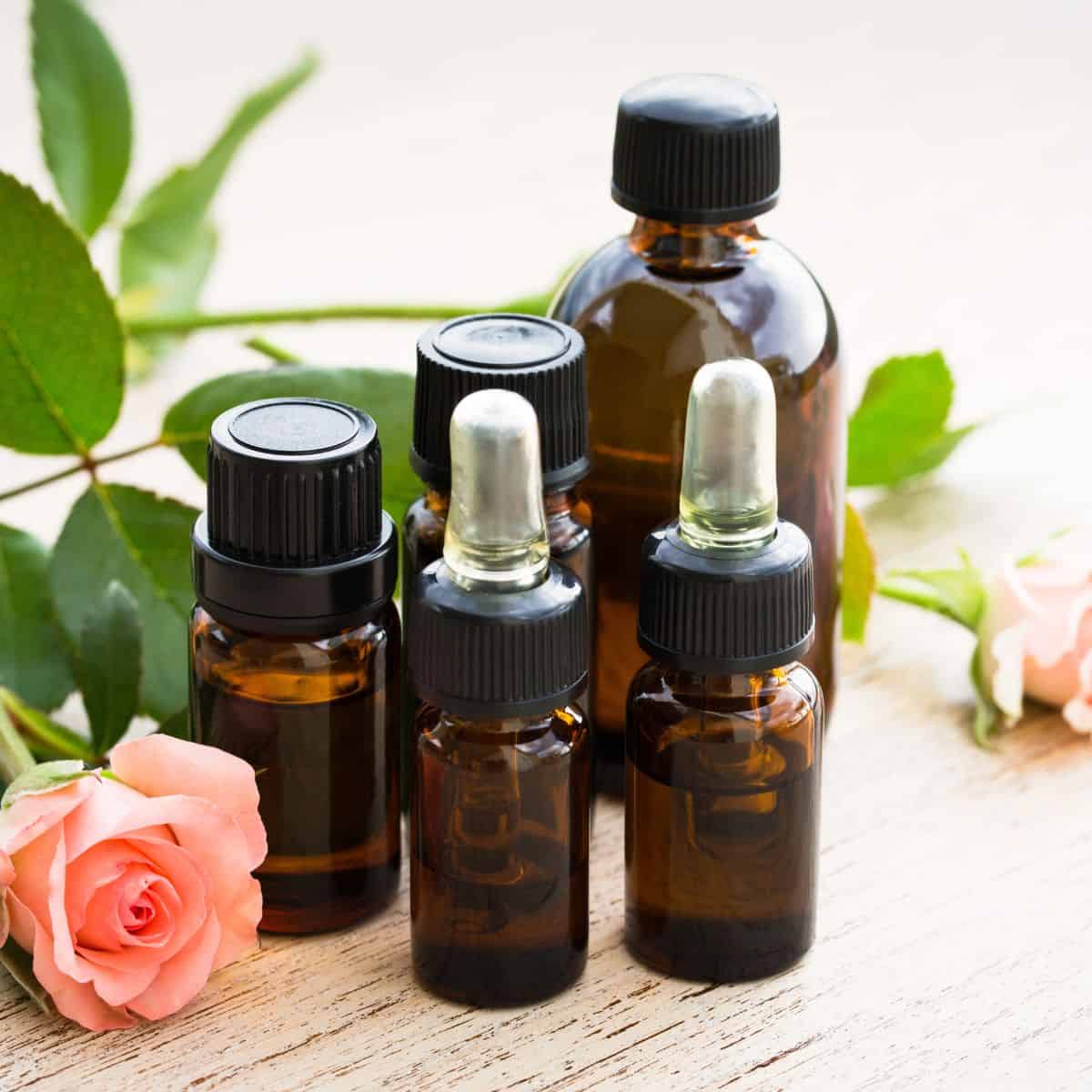
Aromatherapy uses aromatic plant extracts and essential oils for therapeutic purposes, including promoting health and well-being. It is considered an alternative medicine and a complementary therapy practiced worldwide.
Sometimes, this practice is called essential oils essential care because essential oils are a prominent feature in many routines. Oils may be applied to the skin (when properly diluted) or used with the olfactory senses through direct or steam inhalation.
Treatments may include the following:
- diffuser use (and other diffusion tools)
- Inhalers
- Massages
- Facial steams
- Aroma pendants
- Aromatic spritzers
- body creams
You don't always need to visit a clinic, salon, or spa to experience the benefits of aromatherapy. You can enjoy many safe options at home for a fraction of the price.
If you love spending time outside near a flower or herb garden, you will surely be pleased about bringing fresh scents inside, too, especially if you keep a window open for fresh air while you diffuse.
However you choose to use aromatherapy, remember to consult your trusted healthcare practitioner first and follow their advice.

How to Use Essential Oils for Aromatherapy
Harness the benefits of aromatherapy with three basic application methods. Depending on your needs, one approach may be more suitable than the others.
Diffusion
Diffusing disperses aromatherapy benefits throughout a single space.
You can use a spritz bottle or any type of essential oil diffuser on the market. The main categories of diffusers are ultrasonic, nebulizing, and evaporative. Each has pros and cons; explore the options and choose the best one for you.
"As a seasonal allergy sufferer, I love diffusing lavender, lemon, and peppermint in the spring and fall when pollens kick up. Keeping my bedroom windows closed and using this blend helps tremendously with getting a good night's sleep."
- Gina Matsoukas, Running to the Kitchen
If you're tracking scents, you can start with lavender essential, peppermint essential, and ylang ylang as a simple oil blend rotation for different moods.
Direct or Steam Inhalation
Place a few drops of essential oil on a handkerchief or an aroma pendant, bring the material directly in front of your nose and mouth, cup the space with your hands, and take a few deep breaths.
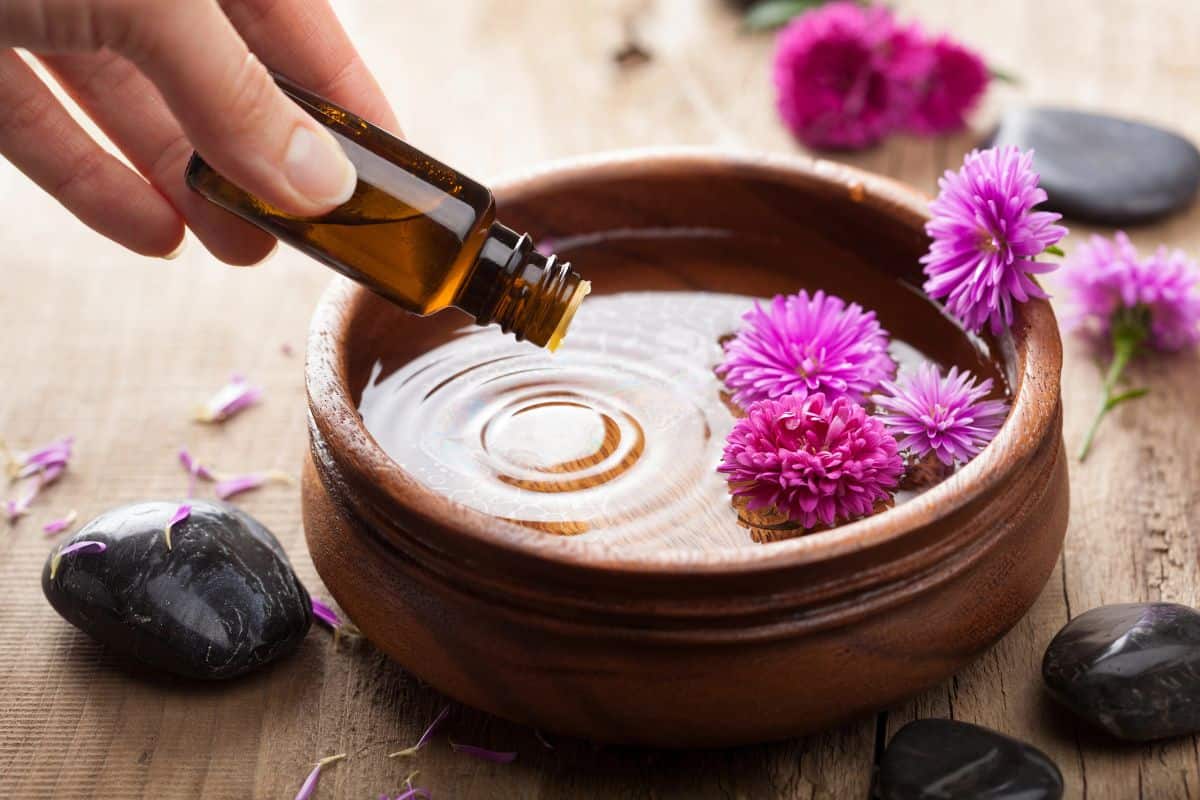
Alternatively, add a few drops of essential oil to a bowl of hot water. Lean over the bowl with a towel draped over your head to trap the steam. Take a few deep breaths in this position.
Topical Application
Start with a carrier oil, such as olive or sweet almond oil, and dilute a few drops of essential oil into it. Then, apply topically to the skin.
Essential oils often enhance massage oils. Skin care products, such as creams and lotions, can also benefit from essential oils when properly diluted. If you like variety, keep a small set of carrier oils on hand so you can adjust texture and scent strength.
Roll-on blends are another application method. Like spray perfume, small roller bottles, usually containing 5 or 10 milliliters of diluted oil, are applied on the inside wrist, nape of the neck, temples, or above the collar bone. This is an easy way to "roll" on scent in a controlled, mess-free way.
Top Seven Best Essential Oils for Personal Use
Opening a catalog of essential oils and seeing over a hundred options with a wide range of regular price points, from affordable to jaw-droppingly expensive, can feel overwhelming for beginners. Skip the stress and start with these tried-and-true, all-around picks that can make a real impact on your garden's success.
These choices are easy to find at local health food stores and online in the United States, and many brands offer free shipping depending on your order total.
Lavender Oil
Lavender is widely known for its calming reputation and is often used in evening routines. Try diffusing it after a long day or adding it to a diluted bath or body routine.
Peppermint Oil
Peppermint has a fresh, energizing scent that many people use to feel more alert. It's also popular in blends when you want a crisp, clean aroma.
Ylang Ylang Oil
Exquisitely floral and slightly exotic, ylang ylang is a classic option for a romantic or uplifting scent profile, especially in massage or roll-ons.
Eucalyptus Oil
Eucalyptus is famous for its spa-like steam vibe. Many people enjoy it in diffusion or steam inhalation routines for a "clear, fresh air" feeling.
Lemon Oil
Lemon smells bright and sunny and is commonly used to make spaces feel clean and energized. Many people also add it to DIY household sprays for a fresh finish.
Rosemary Oil
Rosemary has a sharp, herbal scent that can feel motivating. It's often used during study sessions, work blocks, or creative brainstorming.
Cedarwood Oil
Cedarwood feels warm and grounding-like walking through a forest. It's great for diffusion and for DIY grooming or home fragrance blends.
"I love diffusing cedarwood oil when I need to calm down and center myself or my family. When I need to reset, I put a few drops in my diffuser and let it work its magic."
- Laura Sampson, Little House Big Alaska

Choosing Oils Online: Prices, Labels, and Checkout Terms
When you shop online for organic essential oils, it helps to understand how sellers display pricing. You may see sale price, regular price, sale, and unit price details, plus bundle wording like blend regular price.
Some listings include product line items such as:
- oil regular price (the standard listed price for one oil)
- blend regular price (the standard listed price for a blended product)
- oil regular (a shortened label some stores use)
- blend regular (another shortened label)
- unit or unit price (helpful for comparing bottle sizes fairly)
You might also notice the product category phrasing varies between stores, like oils, essential oils, or organic essential oils. If you're comparing brands, pay attention to whether the listing specifies organic sourcing.
Before you check out, scan the product page for policies, such as return options, and any checkout content, including shipping thresholds, estimated delivery times, and restrictions. Some stores show a checkout cart summary and a confirmation window before you finalize the order.
Finally, it's smart to check the batch or expiration date (or similar manufacturing date information) so you know your oil is fresh.
Bonus Beginner Add-Ons (Optional)
Once you're comfortable with the basics, consider adding tea tree to your collection for its strong, clean scent profile (many people use it in DIY blends and household routines). As always, topical use should be diluted properly.

Final Thoughts
Exploring these oils touches the surface of all the possible aromatherapy oils. However, they will give you a solid introduction to the basics. This beginner's collection is enough to get started with diffusing single or double oils, as well as DIY personal care and home cleaners with aromatherapy benefits.
After some experimentation, you'll soon discover your favorite ways to enjoy calming and invigorating scents throughout the year.


Leave a Reply