

As the school year begins, many families are rethinking how to make daily lunches easier, healthier, and less wasteful. One practical solution gaining traction is the bento lunch box.
Originally developed in Japan, these compartment-style containers are now widely used worldwide for their convenience, organization, and flexibility. Whether you're packing lunches for kids or meals for work, bento boxes can streamline the process and reduce stress.

Jump To
Origin of the Bento Box
The bento box has deep roots in Japanese culture, dating back more than a thousand years. The Japanese word bento loosely translates to convenience, which perfectly describes its purpose. Early versions were designed to help farmers, travelers, and workers transport meals easily.
At some point, the idea of the bento box began to blur across cultures. One notable shift was its close association with dim sum. That connection may come from the similar experience of ordering Chinese dim sum, where you're served several small dishes in divided bamboo or wooden containers, often including different kinds of rice, much like a traditional bento box.
The Rise of the Bento Lunch Box
During the 20th century, bento boxes became a staple in Japanese schools and offices. Their popularity soon spread across Asia and the Pacific Rim, including:
• The Philippines
• South Korea
• Taiwan
• India
Bento-style lunch boxes are also common in Hawaii and increasingly popular throughout the mainland United States. Many parents appreciate them as an eco-conscious alternative to disposable bags and plastic wrap. Their reusable design helps reduce waste while keeping meals organized and appealing.
American Bento Lunch Box Explained
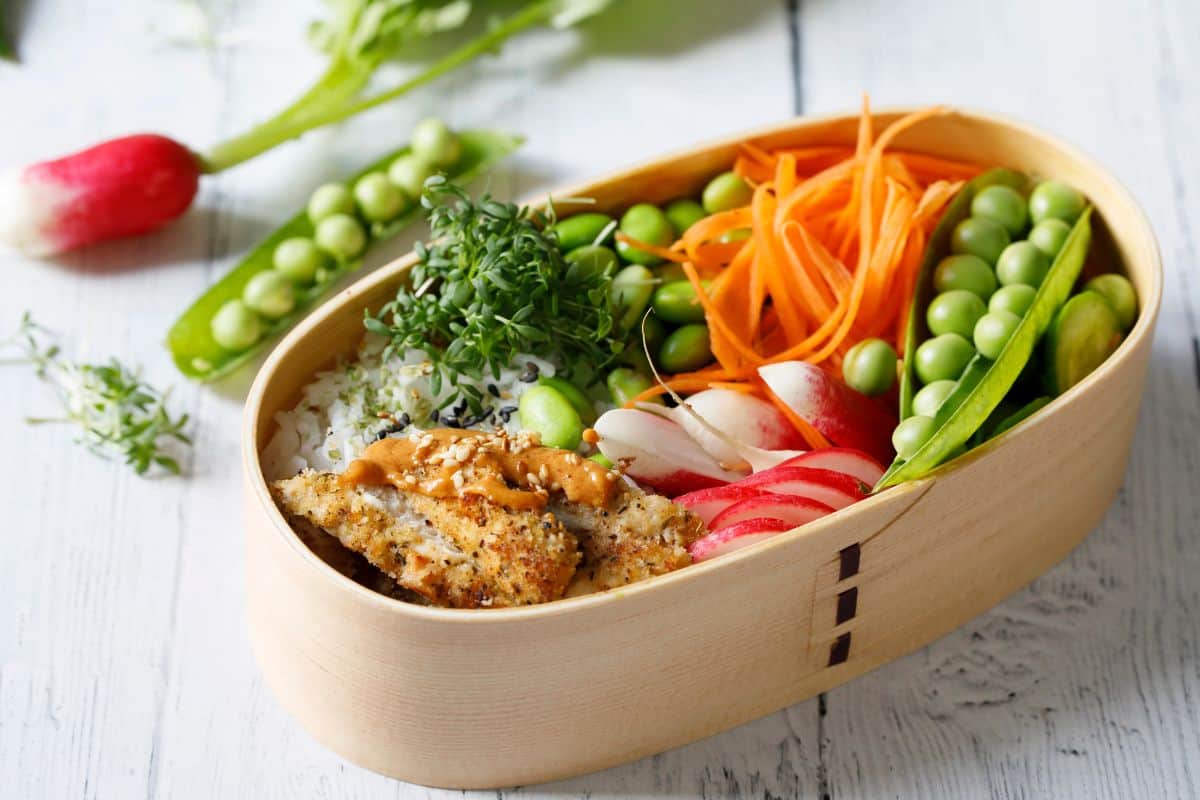
In the U.S., bento lunch boxes are typically reusable containers divided into multiple sections to hold a variety of foods. They're available in materials such as plastic, stainless steel, and silicone, and are designed to keep foods fresh and neatly separated. This separation is especially helpful for picky eaters who prefer foods not to touch.
Take Michelle Price, who writes the Care Package Love blog.
"Once my children started going to school, I began packing lunches for them in bento boxes," she said. "It made my life so easy with no waste and the ability to keep food separated for my kids who don't like things to touch."
Lunch Box Designs
There are several common bento box styles available today. Some feature a single container with built-in compartments, making it easy to portion different foods in one place. For example, one section might hold sliced vegetables, another a sandwich, and a smaller space for dipping sauce or dressing.
Other designs include removable compartments that fit together inside a rectangular outer shell. Some bento boxes even come with multiple individual containers that lock together like puzzle pieces. This modular approach provides flexibility based on the meal.
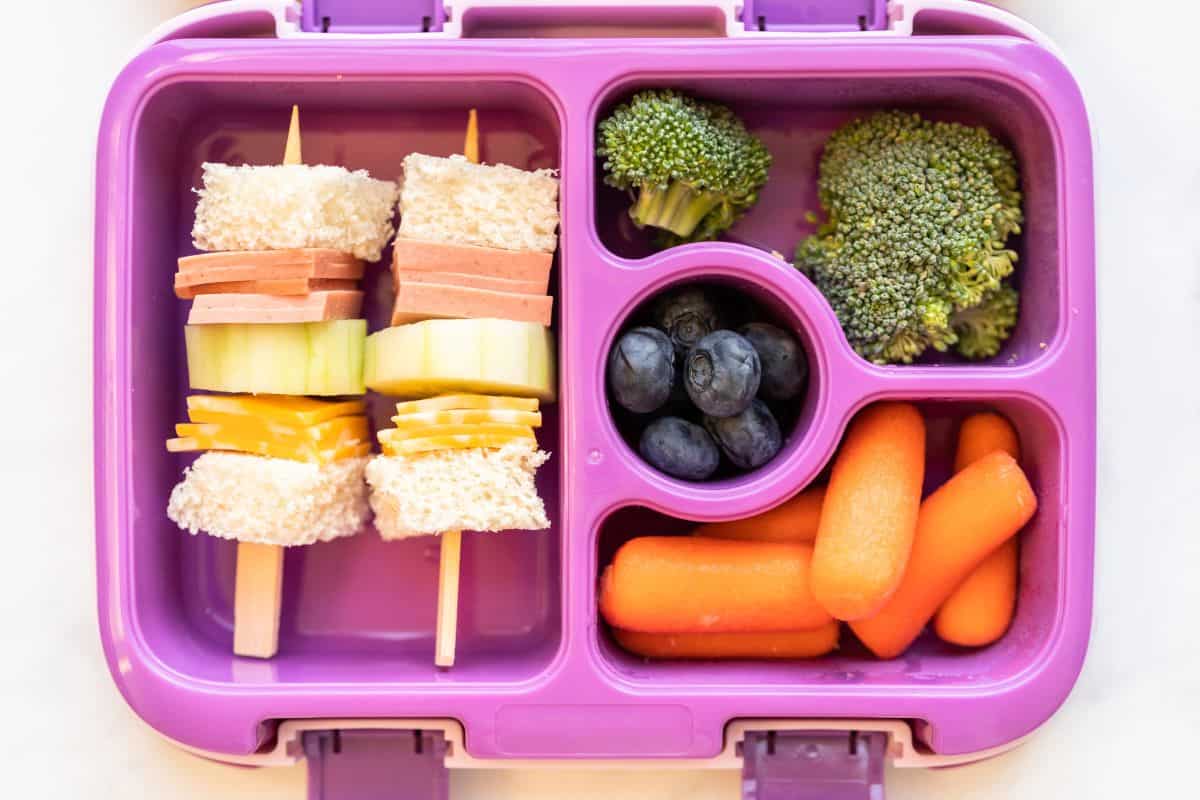
Many bento boxes also include thoughtful extras such as removable dividers, built-in utensils, or leak-resistant lids. Some are microwave-safe and dishwasher-safe, giving parents more options when packing either hot or cold lunches, depending on school policies.
Bento Box Sizes
Bento boxes are available in both child-sized and adult-sized versions. Adult bento boxes typically hold between four and six cups of food, while kids' versions generally hold about half that amount. Most designs include:
• A large main compartment
• Smaller sections for sides or snacks
• A secure lid to help prevent leaks
Prices vary by size, brand, and material, but many bento boxes are affordable. You can find a wide selection on Amazon, with most options priced under $25.

Materials Used in Bento Boxes
Bento boxes are made from several eco-friendly materials, each with its own advantages:
• Stainless steel, which is durable, recyclable, rust-resistant, and easy to clean
• Silicone, valued for its flexibility, heat resistance, and long lifespan
• BPA-free recycled plastics, which help reduce plastic waste while remaining lightweight
When shopping, it's worth checking product labels to ensure materials meet safety standards, especially for children's lunches.
How Bento Boxes Encourage Better Nutrition
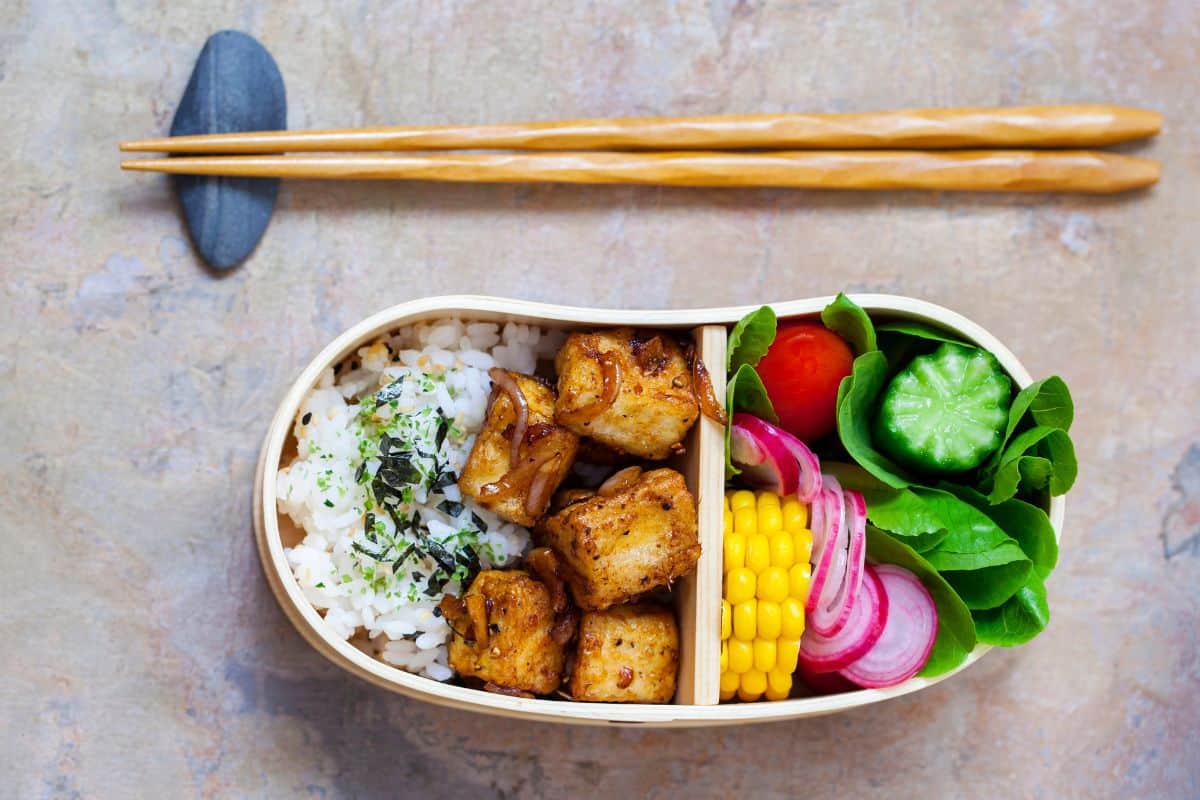
Bento boxes naturally support balanced meals and creative lunch planning. Their compartmentalized design makes it easier to include multiple food groups, helping children build healthier eating habits and learn portion awareness.
Since bento boxes come with multiple compartments, you can easily fill each section with different food groups, ensuring a balanced meal. Michelle Price credits the bento-style boxes with helping her children learn to pack healthy lunches for themselves at a young age.
"The best part of using bento box lunch boxes is that the different sections made it incredibly easy for my kids to learn the rule of one protein, one veggie, and one fruit. This is what I required for every lunch we packed," she recalled. "That meant that by second grade, they were able to pack their own lunches and choose their favorite items in appropriate serving sizes from each food group."

Final Thoughts
Choosing the right bento box comes down to durability, leak resistance, and size that matches your child's appetite. During back-to-school sales tax holidays, lunch boxes are often included in tax-free items, making it a smart time to buy.
Ultimately, a bento lunch box can simplify mornings, reduce waste, and help kids develop lifelong healthy eating habits. It's a small switch that can make a big difference throughout the school year and beyond.
Leave a Reply