

Thinking about growing your own nutritious greens at home? Broccoli seeds are one of the easiest and most rewarding vegetable seeds to start. With minimal space and simple supplies, you can enjoy fresh sprouts and young greens year-round, no outdoor garden required.
Jump To
- What are broccoli sprouts?
- Why grow broccoli sprouts at home?
- Choosing the best seeds for sprouting broccoli
- Maximizing nutrition from broccoli sprouts
- Step-by-step: how to sprout broccoli seeds
- Troubleshooting sprouting problems
- Ways to eat broccoli sprouts
- Equipment needed for sprouting
- How long do broccoli seeds take to sprout?
- Can broccoli sprouts be eaten raw?
- What if seeds don't grow?
- Start sprouting broccoli seeds today
- YOU MAY ALSO LIKE
This beginner-friendly guide explains how to choose organic broccoli seeds, sprout them successfully, and use them in everyday meals for maximum nutrition and flavor.
What are broccoli sprouts?
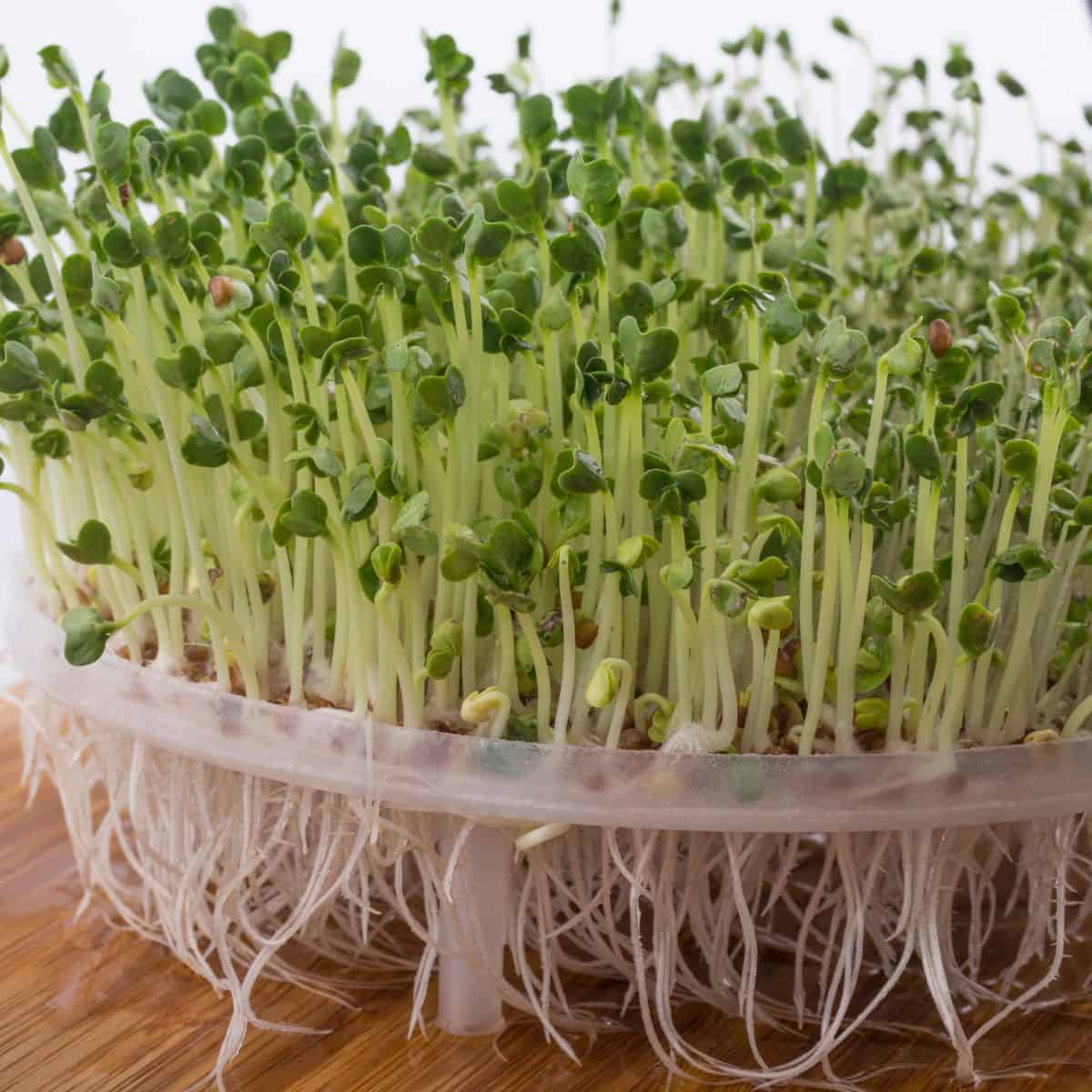
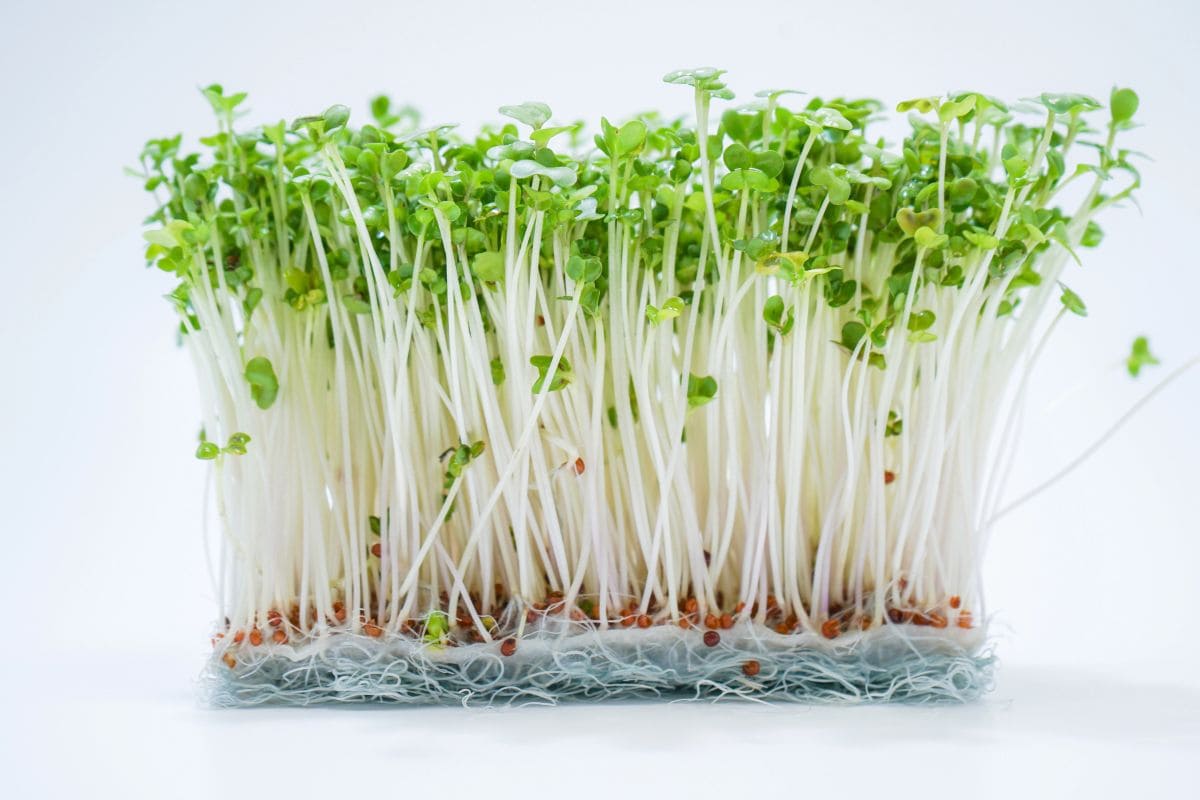
Broccoli sprouts are tender shoots grown from broccoli seeds. These young greens appear within a few days of seed starting and have a mild, slightly peppery taste. They can be eaten raw or lightly cooked and pair well with a variety of vegetables, herbs, and dishes.
Because sprouts are harvested early in the plant life cycle, they are considered a quick and nutrient-dense form of homegrown vegetables.
Why grow broccoli sprouts at home?
Growing broccoli seeds yourself offers freshness, savings, and control over quality. Instead of purchasing packaged sprouts at a high price, you can produce small batches whenever needed.
Nutrition benefits
Sprouted broccoli contains fiber, antioxidants, and beneficial plant compounds. Like many fresh vegetables and herbs, such as matcha tea or asparagus, these sprouts support a balanced diet when eaten regularly.
Cost savings
A single packet of organic broccoli seeds produces multiple harvests, making home sprouting far more economical than store-bought products.
Convenience
Sprouting requires only a jar and water, making it one of the simplest forms of indoor seed starting. You can grow fresh greens even without outdoor planting space.

Choosing the best seeds for sprouting broccoli
Not all seeds are suitable for sprouting. Selecting the right type improves germination and safety.
Avoid standard garden crop seed
Seeds intended for mature broccoli heads are bred for field planting and may be treated or optimized for outdoor garden production rather than sprouting.
Choose organic or untreated seed
Organic broccoli seeds are preferred because they are free of chemical coatings and safe for sprouting.
Select high-quality seed stock
Fresh seed with strong germination rates produces faster, more uniform sprouts. Reliable shop sources and reputable product labeling help ensure quality.
Match your growing environment
Although sprouts grow indoors, some broccoli seed varieties adapt better to certain climates or storage conditions. Buying fresh seeds each season improves success.

Maximizing nutrition from broccoli sprouts
Freshly harvested sprouts retain the highest nutrient levels, similar to freshly cut vegetables or herbs.
- Eat sprouts soon after harvest
- Combine with other vegetables like tomatoes or greens
- Lightly cook if desired to soften the texture
- Store briefly in the refrigerator to slow growth
Like microgreens and young flower shoots, sprouts are most nutritious when fresh.
Step-by-step: how to sprout broccoli seeds
Sprouting broccoli seeds is a simple indoor seed-starting method that requires minimal equipment.
- Rinse one tablespoon of broccoli seeds to remove debris.
- Place seeds in a jar and cover with cool water.
- Soak for 8-12 hours in a warm, well-ventilated area away from direct light.
- Drain and rinse thoroughly.
- Rinse and drain twice daily while sprouts grow.
- Keep the jar tilted for airflow and drainage.
- After 4-5 days, harvest when sprouts reach 1-2 inches.
This quick process produces fresh greens without outdoor planting or soil.
Troubleshooting sprouting problems
If sprouts fail to grow or appear unhealthy, adjust moisture and airflow.
- Seeds not sprouting → rinse more frequently
- Mold forming → increase ventilation
- Sprouts too long → refrigerate to slow growth
Healthy seeds, broccoli should remain moist but never submerged.
Ways to eat broccoli sprouts
Fresh sprouts are versatile and complement many foods.
- Add to salads, wraps, or homemade dressing with vegetables
- Sprinkle over sandwiches, pizzas, or grain bowls
- Blend into smoothies
- Stir into soups before serving
- Toss into slaws with cabbage and carrots
Their crisp texture is similar to fresh herbs or tender greens.
Equipment needed for sprouting
You only need a few basic items:
- Broccoli seeds
- Mason or sprouting jar
- Lid or cloth cover
- Water
- Bowl or tray
Unlike outdoor garden tools or flower seed supplies, sprouting requires no soil or pots.
How long do broccoli seeds take to sprout?
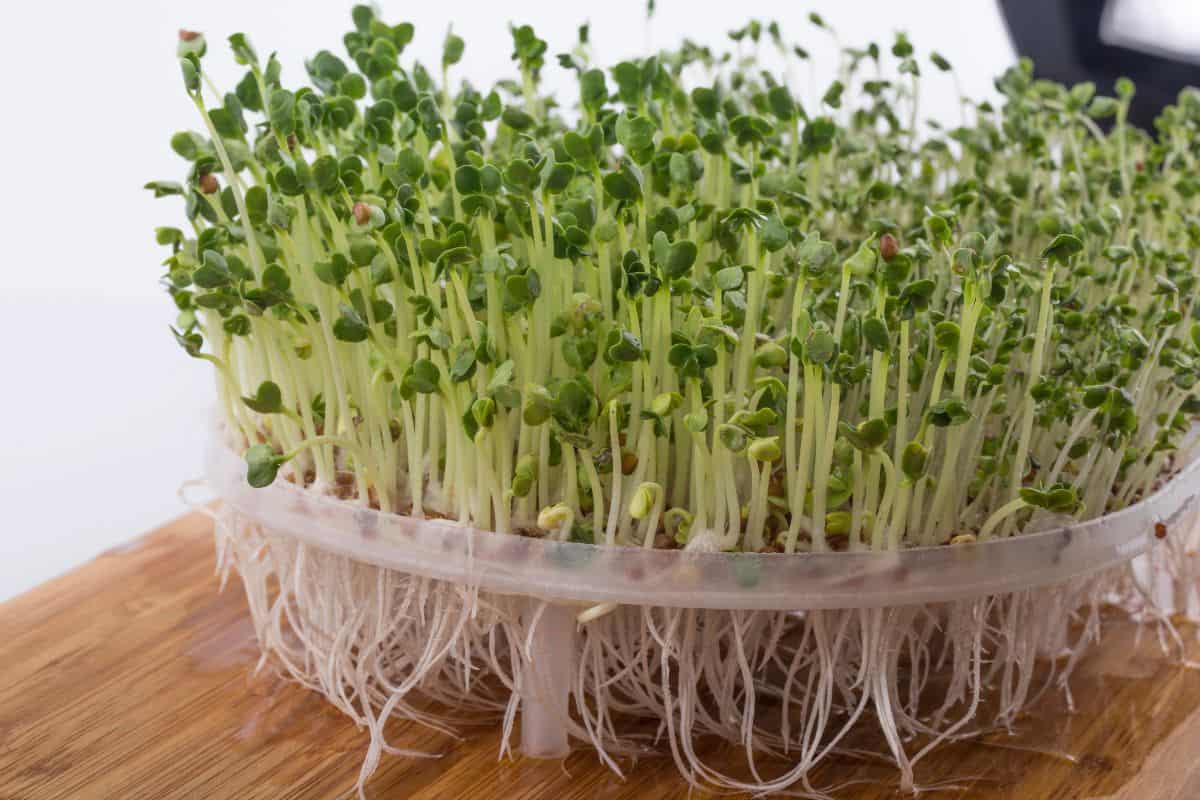
Most broccoli seeds germinate in about four to five days. Sprouts are ready once they reach 1-2 inches long and are bright green.
Can broccoli sprouts be eaten raw?
Yes. Fresh broccoli sprouts are safe to eat raw and are commonly used as salad greens or as tender vegetables. They may also be lightly cooked in dishes.
What if seeds don't grow?
If seeds fail to sprout within several days:
- Ensure consistent rinsing
- Maintain moisture without standing water
- Keep the jar warm but ventilated
Healthy seed should swell and produce visible shoots quickly.
Start sprouting broccoli seeds today
Growing broccoli seeds at home is one of the simplest ways to add fresh nutrition to meals. With minimal supplies and a quick routine, you can harvest tender greens year-round, even without a traditional garden.
Whether you're exploring indoor seed starting, expanding your vegetable intake, or simply trying a new kitchen project, sprouting offers an easy path to homegrown freshness.


Leave a Reply