

Discover the rich world of edible wild plants and how they can bring fresh flavor, nutrition, and adventure into your kitchen. Learning about wild edible plants opens the door to seasonal food sources that grow freely in forests, fields, and even backyard spaces across North America and the United States.

Jump To
Foraging for wild edible foods can be both rewarding and educational, but safe identification is essential. Before consuming any wild plant, always confirm that it is truly edible and was harvested from clean, uncontaminated areas. Responsible gathering also means taking only what you need so native ecosystems and wildlife continue to thrive.
With a bit of observation and knowledge, you can discover many edible native plants growing naturally around your region, from tender leaves and fragrant flowers to sweet berries and nutrient-rich roots.
Identifying edible plants
Correctly recognizing edible plants in the wild is the most important step in safe foraging. Many wild plants have edible look-alikes, so careful identification is key.
Observe color and plant features
Color can provide clues when identifying an edible wild plant. Some bright berries, such as wild strawberries, are safe, while certain similarly colored fruits are toxic. Yellow flowers such as dandelions are widely known edible plants, but some yellow-fruited shrubs are not safe.
Always examine multiple traits of the plant, including leaves, stem structure, growth habit, and scent, before deciding a wild edible plant is safe.
Understand regional differences
Edible species vary widely by geography. The United States alone contains thousands of edible native plants adapted to different climates and habitats. Coastal regions, forests, deserts, and meadows each support unique wild edible plants.
For example:
- Miner's lettuce grows across western North America
- Prickly pear thrives in arid zones with full sun
- Wild onions and native herbs appear in grasslands and woodlands
Learning what grows locally helps you identify safe wild edible options more confidently.
Learn plant identification basics
Understanding plant structure helps distinguish safe plants from toxic ones. Study:
- Leaf arrangement and shape
- Flower structure
- Growth pattern (groundcover, shrub, tree)
- Seasonal changes
Field guides and regional plant databases are valuable tools when learning to recognize wild edible plants.
By developing identification skills, you can confidently recognize edible wild plants in nature.
Foraging for edible plants
Gathering wild edible plants is deeply satisfying, but safety and sustainability must guide every harvest. Not every wild plant is safe to eat, and mistakes can be dangerous.
Before foraging, research the edible native plants in your local garden zones or natural areas. Guided walks, local experts, and plant identification resources can help beginners learn which species are truly edible.
When collecting a wild edible plant, follow responsible harvesting practices:
- Only pick plants you positively identify as edible
- Avoid rare or protected native species
- Leave enough plant material for regrowth
- Harvest away from polluted or treated land
Some beginner-friendly wild edible plants include dandelion, chickweed, and purslane. Though often seen as weeds in the garden, these nutritious plants can be used in many dishes.
With proper care and awareness, anyone can safely enjoy edible wild foods.
Common edible plants
Many wild edible plants are easy to recognize and add a unique flavor to recipes. From flowers and herbs to berries and tender greens, these natural ingredients expand your seasonal food options.
Edible flowers
Colorful flowers from wild plants can enhance both taste and presentation.

- Roses: Fragrant petals added to desserts or teas
- Dandelions: Bright blooms used in salads or syrups
- Violets: Sweet decorative flowers
- Elderflower: Aromatic clusters for drinks and baking

Wild herbs and greens
Leafy edible native plants often grow abundantly in sunny clearings or woodland edges.

- Nettle: Nutrient-rich leaves for soups
- Wood sorrel: Tangy herb for salads
- Chickweed: Mild, fresh green
- Wild garlic: Strong, savory leaves
These plants provide fresh seasonal flavor while growing naturally in full sun or partial shade environments.
Wild berries
Foraged berries are among the most prized wild edible foods.

- Wild strawberries: Small, intensely sweet fruit
- Gooseberries: Tart translucent berries
- Mulberries: Juicy, dark fruit from a tree
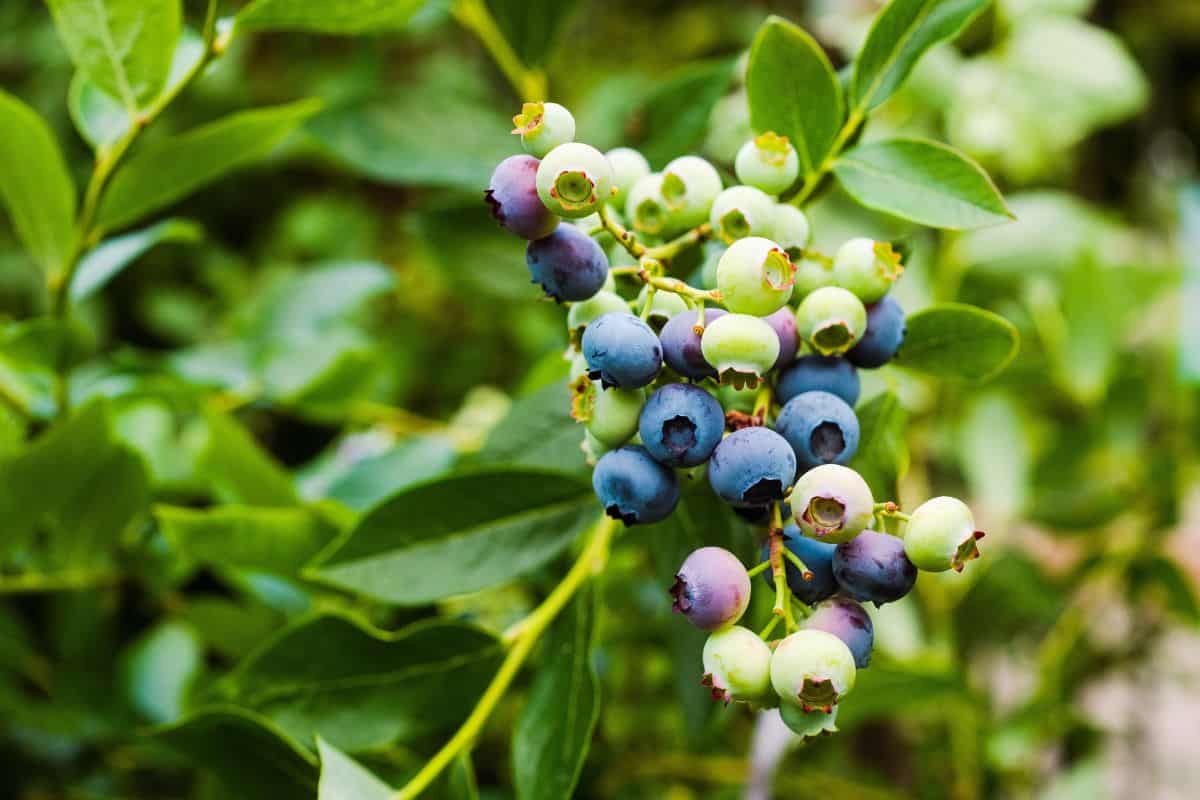
- Wild huckleberries: Sweet-tart forest berries
Whether fresh or cooked, these wild edible plants offer delicious natural harvests.
"I'm lucky to live in subarctic Canada where foraging is widely accepted as a regular activity for gathering food and herbal remedies. As a family we forage in the boreal forest for edible plants and herbs including wild onions, dandelions, sage, mint, various mushrooms, various berries including juniper and cranberries, plus wild roses and rosehips."
- Sarita Harbour, An Off Grid Life
Cooking with edible plants
Once identified safely, edible plants can be used in countless recipes. Many wild edible plants are versatile ingredients that enhance both sweet and savory dishes.

Fresh uses
- Nasturtium flowers added to salads
- Chopped wild chive leaves
- Tender greens from wild edible plants

Soups and broths
- Nettle leaves for hearty soup
- Chickweed for mild herbal flavor
Herbal teas
- Chamomile flowers
- Mint leaves from wild plants

Desserts and sauces
- Elderflower syrups
- Wild strawberry fruit toppings
Using edible wild plants in cooking connects seasonal landscapes directly to your table.

"Our folk school hosts foraging walks every year. Watching our students learn which plants in our area are edible is such a joy. And we also teach, almost more importantly, which plants they should avoid."
- Laura Sampson, Little House Big Alaska
Poisonous plants to avoid
Recognizing toxic species is essential when collecting wild edible plants. Some dangerous wild plants closely resemble edible ones.
Poison hemlock
This deadly plant resembles carrot or parsley foliage but contains potent toxins affecting the nervous system. Never harvest look-alike wild plant species without full identification.
Jimsonweed
All parts of this wild plant, seeds, leaves, and flowers, contain dangerous compounds causing severe poisoning.
If there is any doubt about whether a wild edible plant is safe, do not consume it. Proper identification always comes before harvest.

Discover the abundance of wild edible plants
Nature offers a remarkable diversity of edible native plants across North America. From forest berries to meadow greens and flowering herbs, wild edible plants provide seasonal nourishment and culinary inspiration.
By learning identification, practicing ethical harvesting, and respecting ecosystems, you can safely gather wild edible foods year after year. Whether exploring a woodland trail or your own garden, the world of edible wild plants is rich with flavor and discovery.


Leave a Reply