

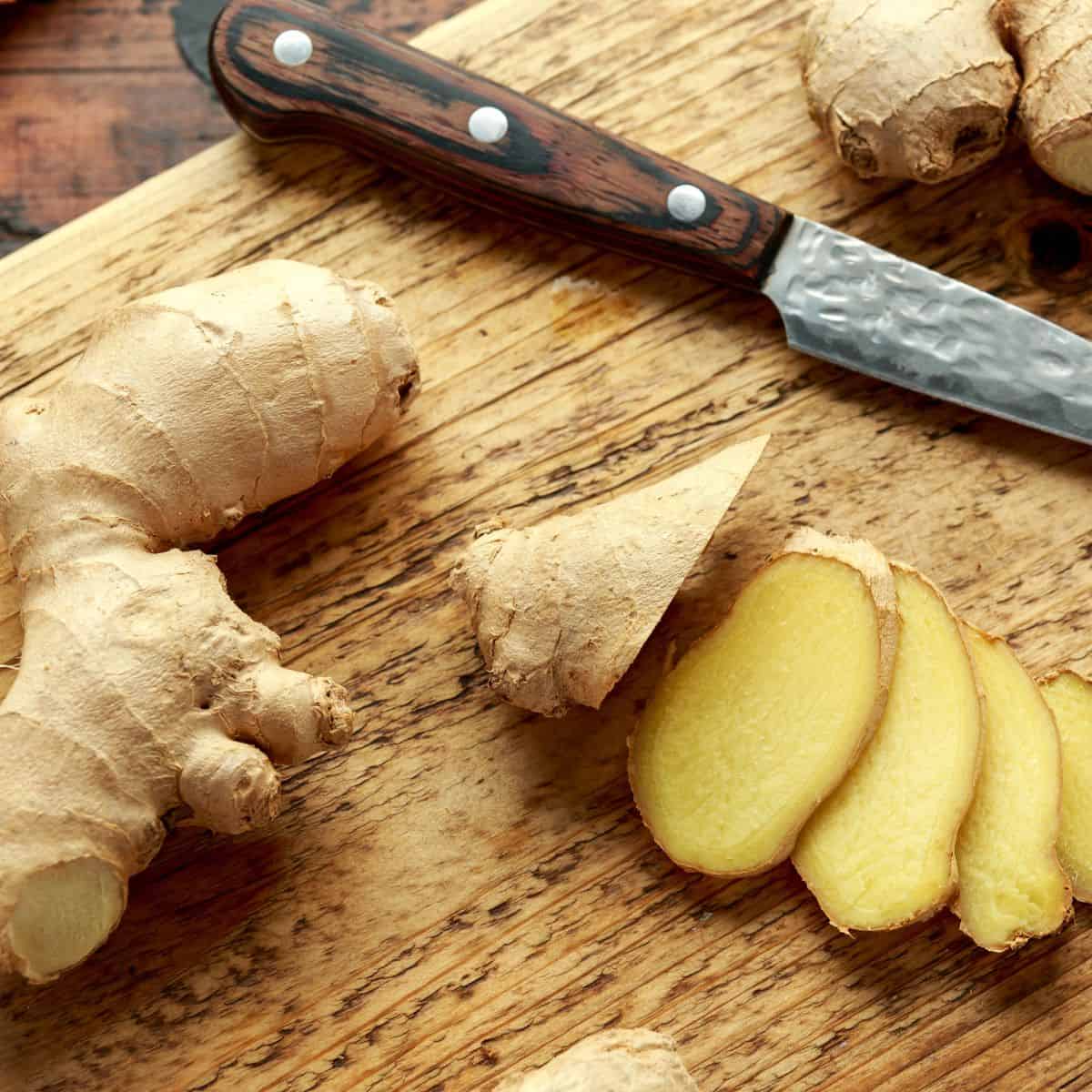
Ginger is a captivating ingredient; full of spice and intrigue, it's a sneaky scene-stealer in the kitchen. Gnarled and beige, it may not look like much, but this unassuming root is a powerhouse of flavor, tantalizing sweetness mingled with an underlying zingy, mouth-filling heat.
Jump To
From quick stir-fries to cozy bakes, fresh ginger delivers brightness, warmth, and aroma in seconds, making it one of the easiest ways to wake up everyday cooking. There are countless ways to cook with fresh ginger to enliven your cooking and baking.
Ginger in the kitchen
One of the most fantastic things about ginger is how versatile it is. From savory dishes to sweet desserts, there's often a place for fresh ginger. You'll find it in many cuisines worldwide.
Ginger is a popular aromatic ingredient in Asian cuisines, such as Chinese, Japanese, Korean, and Indian, where it is used in marinades, sauces, soups, stews, curries, and dressings. You'll find similar usage throughout the Pacific Rim, including Hawaiian and other Polynesian cuisines. It's also essential in Southeast Asian dishes, where ginger or its cousin galangal anchors spice pastes, noodle bowls, and coconut-based soups.
In Africa, ginger is common in several regional cuisines, especially in North and East Africa. It's a standard component of many spice blends for stews and marinades. And in the Caribbean, where food traditions draw heavily on African cuisines, ginger is used liberally in marinades for meats, spicy sauces, and flavorful beverages like ginger beer. Latin American kitchens also use it-think bright ginger-lime marinades for seafood and zippy aguas frescas.
Fresh ginger is less common in European cooking. Still, dried, ground ginger is a staple in classic European desserts, such as gingerbread and ginger cookies, as well as in liqueurs and aperitifs. In Eastern Europe, it shows up in some pickles and preserves. Substituting or adding fresh ginger can boost the flavors of these recipes even more. Try swapping in finely grated fresh ginger for part of the ground spice to add a fresh, citrusy top note.
How to buy & store: Choose firm, taut knobs with thin skin (younger ginger is juicier and less fibrous). Store unpeeled ginger in a zip-top bag in the crisper or freeze whole pieces; they grate easily from frozen and last for months.

How to prep fresh ginger
It might look intimidating if you've never handled fresh ginger before, but it's easy to work with. Here's how to prep it and cut it just right to use in whatever you're cooking:
- Peel it: Grab a spoon and use the tip to scrape the thin skin off the ginger root. The skin is very thin, so it comes off easily, and the spoon tip is perfect for getting around the knobby contours. (If the skin is very tender, you can skip peeling for stocks and teas.)
- Grate it: Grating fresh ginger breaks it down into a pulp, releasing the flavorful juice. The fine texture blends well into sauces, marinades, dressings, and batter for baking, distributing the ginger flavor evenly throughout the dish. Use a microplane grater, if you have one, for the best results. Catch the juices and add them to the dish for maximum flavor.
- Chop it: Chopping ginger into small pieces or chunks gives a milder flavor compared to grating because less of the ginger's surface area is exposed. Chopping is perfect when you want the ginger flavor to be a noticeable element of the dish without being overpowering. The pieces of ginger will also add a bit of crunch and a burst of flavor when bitten into. Just make sure the pieces aren't too large, or you might give diners too much of a jolt. Ginger is fibrous, so it can be a challenge to chop. Be sure to use a very sharp knife. Smash slices first with the flat of your knife to break fibers and make chopping easier.
- Sliver or slice it: Larger pieces of ginger are great for steeping - either in a broth or liquid for tea or other beverages. You can cut ginger into coins or matchstick-size pieces. When making a stock, broth, or beverage, add the pieces along with other flavoring elements, such as vegetables, bones, or tea. Fish them out before serving for a gentle perfume without gritty bits.
- Mince it: Mincing ginger results in tiny pieces, but not as fine as grating. Mincing is a popular method for incorporating ginger into stir-fries, sautés, and other dishes where you want the ginger to integrate fully with the other flavors while still retaining some texture. As with chopping, you want to use a sharp knife to mince ginger effectively. For paste, blend minced ginger with a splash of neutral oil; refrigerate up to a week or freeze in small portions.
- Freeze & grate: Keep knobs in the freezer and grate straight from frozen-no peeling, no waste, ultra-fine texture.
- Release the flavor: Heating fresh ginger releases its intense flavor. If you're making a stir-fry, quickly saute the ginger in oil before adding other ingredients. Steeping it in hot liquid or adding it to a hot dish towards the end of cooking achieves a similar result. For the brightest aroma, add part at the start (for depth) and part at the end (for freshness).

How to use ginger in savory dishes
Ginger has a heat that starts subtly and builds to a mouth-filling tingle. It's slightly sweet, earthy, and aromatic, and is a boon to many savory dishes. Here are some favorite ways to use it:
- Meat and poultry marinades: Fresh ginger is a common component in many marinades. The spicy, aromatic notes can penetrate meat, poultry, seafood, and tofu, providing a depth of flavor that is hard to achieve with other ingredients. Grated or minced ginger, combined with sesame oil, soy sauce, and rice vinegar, gives a delightful Asian twist to your meat and poultry dishes. Combined with olive oil and cumin, it harkens to North Africa. Try it in dishes like kung pao chicken or Moroccan beef short ribs. Add a touch of honey or brown sugar to help with caramelization on the grill.
- Seafood: Fresh ginger pairs exceptionally well with seafood, as it adds a zing without being overpowering. Grate fresh ginger over fish or other seafood just as it comes off the grill or out of the steamer. Mild white fish, sweet shrimp, prawns, or scallops pair especially well with this combination. You can also steam bivalves, such as clams or mussels, in a broth made from coconut milk and fish stock, flavored with ginger and other aromatics. Finish with lime zest and herbs for a clean, bright pop.
- Stir-fries: Like garlic, fresh ginger makes an excellent aromatic to add to stir-fries. It adds a radiant heat that enhances the sweetness of ingredients like shrimp or peppers. Stir in a final teaspoon of freshly grated ginger off the heat to lift the whole pan.
- Curries: Fresh ginger brightens curry dishes from various cuisines, including Japanese and Indian curries. It's less common in Thai curries, which often feature the related galangal root instead, but ginger makes a good substitute for galangal in a pinch. If substituting, use slightly less ginger than galangal and add a squeeze of lime to mimic its citrusy snap.
- Soups and stews: In brothy soups, like chicken hot and sour soup, ginger adds brightness and aroma. Steep ginger slices in the liquid when making the stock, and add more at the end of cooking for a zingy element. In creamy or thick soups, it adds a high note to balance the richness. Paired with sweet vegetables like carrots, peppers, or squash, it contrasts and complements the sweetness. Or try it in a North African beef or lamb stew. Ginger-garlic paste is swirled in just before serving to keep flavors vibrant.
- Sauces: Ginger is great for adding a high note to sauces, like the spicy and meaty sauce for dan dan noodles or the spicy-sweet sauce for crispy beef. Or use it in salad dressings along with soy sauce or miso paste, sesame oil, sesame paste, rice vinegar, or citrus juice. Whisk grated ginger with tahini, lemon, and chili crisp for a quick drizzle over roasted veggies and grain bowls.
Using fresh ginger in sweet recipes
If you think fresh ginger is just for savory dishes, think again. Dried ground ginger is a common ingredient in desserts like ginger snaps and gingerbread, but fresh ginger can give those classics a whole new vibe. Here are some ideas for using fresh ginger in sweet dishes:
- Fruit: A grating of fresh ginger livens up a regular fruit salad, giving it an exotic spin. Toss with citrus juice and mint for a simple, refreshing syrup.
- Baked goods: Ground ginger brings a spicy depth to cakes, cookies, and pies. But try adding minced fresh ginger as well, for a more pronounced kick. A 1:1 swap of ground for fresh doesn't work-use about one tablespoon of freshly grated ginger for every ¼-½ teaspoon of ground ginger, then adjust to taste.
- Beverages: Even in drinks, ginger works wonders. Indian chai often includes ginger with other intense spices and aromatics. You can also make a ginger pear tea by steeping fresh ginger in hot water. Stir up a lively cocktail featuring muddled ginger. Or add a fresh ginger slice to the blender when making your morning smoothie to add an invigorating warmth. Make quick ginger syrup (equal parts sugar and water simmered with sliced ginger) to sweeten mocktails, glaze fruit, or brush over cake layers.
Final thoughts
Ginger is truly a superstar in the world of cooking. Its unique fusion of spicy, sweet, and warm flavors can enhance a dish in ways you'd never expect. Use grated ginger for intensity, sliced ginger for subtle infusion, and frozen ginger for later use for zero-prep convenience.
Whether it's elevating a rich soup or stew with a distinctive high note, adding a kick of spice to an everyday stir-fry, or providing the perfect spicy note to counterbalance the sweetness of a dessert, fresh ginger is a versatile and rewarding ingredient to work with.
Pick up a fresh knob on your next market run and start experimenting-small amounts make a big difference.

Leave a Reply