

During the holiday season, plants have a way of adding warmth and charm to our homes. These seasonal displays feel like instant décor upgrades, turning cold winter rooms into cozy, cheerful spaces. From the vibrant reds of poinsettias to the delicate blooms of paperwhites, these seasonal favorites bring life and color to winter's gray days.
Jump To
Holiday plants have played a role in our celebrations for years, symbolizing joy, renewal, and tradition. Many people welcome these plants indoors because they spark happiness, nostalgia, and remind us of brighter seasons ahead. These holiday plants and flowers also give a pop of nature when the outside world is dull and resting.
The plants we love
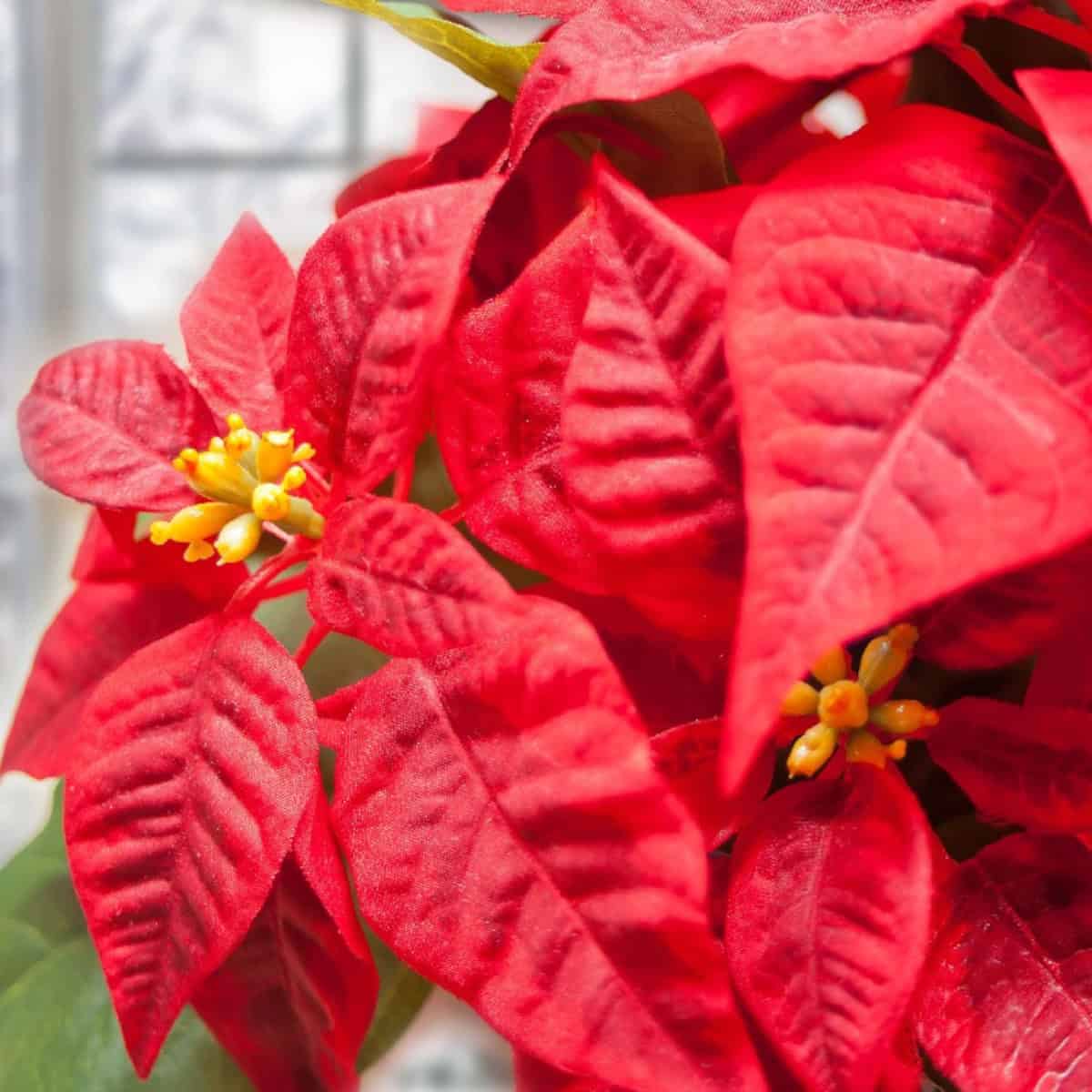
Poinsettias are classic, iconic holiday plants with bright red or white bracts that last throughout the season. They were introduced to the United States in the 19th century by Joel Poinsett, the first U.S. ambassador to Mexico.
Paperwhites feature delicate white blooms with a light, sweet fragrance. These bulbs are part of the daffodil family and thrive in shallow pots or decorative containers.
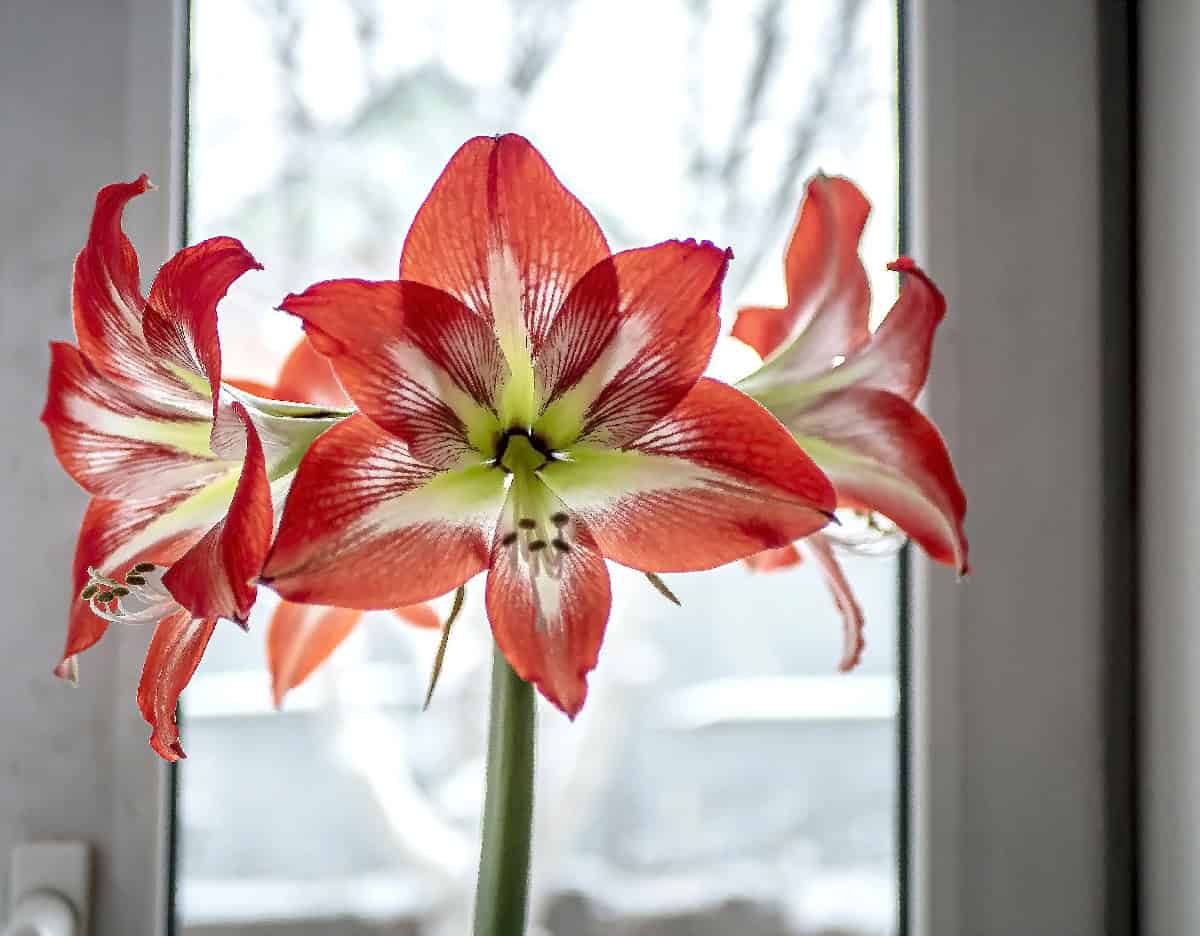
Amaryllis are known for their dramatic, trumpet-shaped flowers in red, white, pink, or striped varieties. Easy to grow indoors and make great gifts for friends and family. They are long-lasting compared to a bouquet and still feel festive without requiring extensive care routines.

Christmas Cactuses are low-maintenance succulent plants with cascading blooms in vivid colors. These are long-lived and often passed down as family heirlooms. If your Christmas cactus doesn't bloom during Christmas, it may be more of an Easter cactus or a Thanksgiving Cactus. The amount of daylight the plants receive dictates the bloom time.
Why we love them
These holiday plants bring vibrant colors and life to our homes during the winter season. They brighten spaces with their blooms when outdoor gardens are dormant or deep under snow. They also work well for busy households because you don't need complicated schedules for care - even simple routines like light and consistent holiday watering for plants can keep them happy.
A glimpse of a blooming or flowering plant offers hope to many in the long, cold stretch of winter. They inspire positive feelings, help reduce seasonal burnout, and give visual comfort during short daylight months.
Give them to friends
Living plants, blooming or about to bloom, are a thoughtful gift that feels personal without the pressure of selecting a specific item. They're a perfect choice for hosts, coworkers, or loved ones when you want to give something beautiful but temporary.
Because these plants are often not a long-term commitment, giving them to friends is peak friendship. There's no dusting or storage required for plants. Giving holiday plants and flowers can feel more meaningful than gifting another physical object that gets stored or forgotten. A blooming plant adds seasonal cheer and is a kind gesture that feels warm and festive without adding clutter.
Do these plants die at the end of the holiday season? Not necessarily. With a bit of care and effort, they can live on.
Keeping them alive
Bulbs, poinsettia, and cactuses all have different needs in your home. But play your cards right, and you may be able to keep them alive and happy in your home.
Forced bulbs, both amaryllis and narcissus, are fairly straightforward and don't regularly struggle to thrive in your home. Plant them, give them water and sun, and these bulbs will more than likely happily bloom.
Often, poinsettias struggle to thrive after leaving the greenhouse or nursery where they were purchased or grown. This is because the greenhouse has grown them at the perfect temperature and humidity, while our homes don't match those conditions.

Poinsettias need good sun, a warm room, and plenty of water for a happy life in your home. Even minor adjustments, such as placing them near a bright window and avoiding cold drafts, can dramatically increase survival rates. With proper care, they can be kept alive and will be beautiful again next year.
Christmas cactuses are long-living plants that will live on. In fact, they're occasionally passed down through families over the years because of their longevity. They don't like direct sunlight or a lot of water, so they kind of thrive on being ignored. This makes them perfect for new plant owners who want something festive without constant attention or maintenance.
Regrowing forced bulbs
Growing a bulb out of its natural growing season is called forcing. Once a bulb is forced, you can grow it again. This approach also supports sustainability, keeping usable bulbs out of the trash and extending their life.
Amaryllis bulbs are often successfully regrown if you trim back the stem after flowering and let the resulting leaves grow until midsummer. The bulb can be dug up and refrigerated before planting again in late fall. The bulb should produce another flowering stem.
Narcissus, or Paperwhites, are smaller bulbs and are better planted outdoors in a garden once they bloom. After a year or two of living outdoors, the bulbs should be regulated to normal cycles and bloom.
Winter's promise
Holiday plants are more than just seasonal decorations; they're reminders of nature's resilience and beauty during the long winter months. They help us stay connected to living things when the world outside feels frozen and dormant.
Whether you enjoy their vibrant color, sweet fragrance, or sentimental value, these plants bring warmth and joy to the season. Many of these favorites can live on with a bit of care, promising future blooms and a lasting connection to the traditions they represent.
FAQ
Most holiday plants prefer consistent moisture rather than soggy soil. Light, steady watering usually works best, especially for indoor winter conditions.
Yes. Many can live far beyond the holidays with proper care, warmth, and light. Some can even be encouraged to rebloom next year.
They are grown in ideal greenhouse environments, and home conditions rarely match those. Keep them warm, away from drafts and in bright indirect light.
Christmas cactus is one of the lowest-maintenance options. It thrives on minimal care, making it great for newer plant owners.




Leave a Reply