

I didn't plan on creating a minimalist living area. I just started clearing out a few things that no longer felt necessary. After that, the living room felt calmer and easier to enjoy, and I realized I didn't miss the extra clutter at all.

Jump To
- What a Minimalist Living Area Really Means
- Starting With the Living Room Itself
- Simple Furniture Choices That Make a Big Difference
- Letting Natural Light Do the Work
- Keeping Clutter Under Control (Without Perfection)
- Choosing Colors That Feel Calm and Natural
- Adding Personality Without Adding Clutter
- Making Minimalist Living Work for Real Life
- Final Thoughts
- YOU MAY ALSO LIKE
That's what minimalist living looks like in real life, not an empty, styled room, but a space that feels easier to be in. A minimalist living area can still be cozy, warm, and personal. It's simply about keeping what matters and letting go of what doesn't, so your living room supports everyday life rather than working against it.
What a Minimalist Living Area Really Means
A minimalist living area isn't about strict rules or perfect interior design. For me, it's more about how the room feels when you walk into it. Does it feel open? Calm? Easy to relax in?
Minimalist living rooms focus on simplicity, clean lines, and thoughtful choices, but they should still feel lived in. I love how minimalist spaces give your eyes a place to rest. When there's less visual clutter, the room feels more peaceful, and honestly, easier to enjoy.
Starting With the Living Room Itself
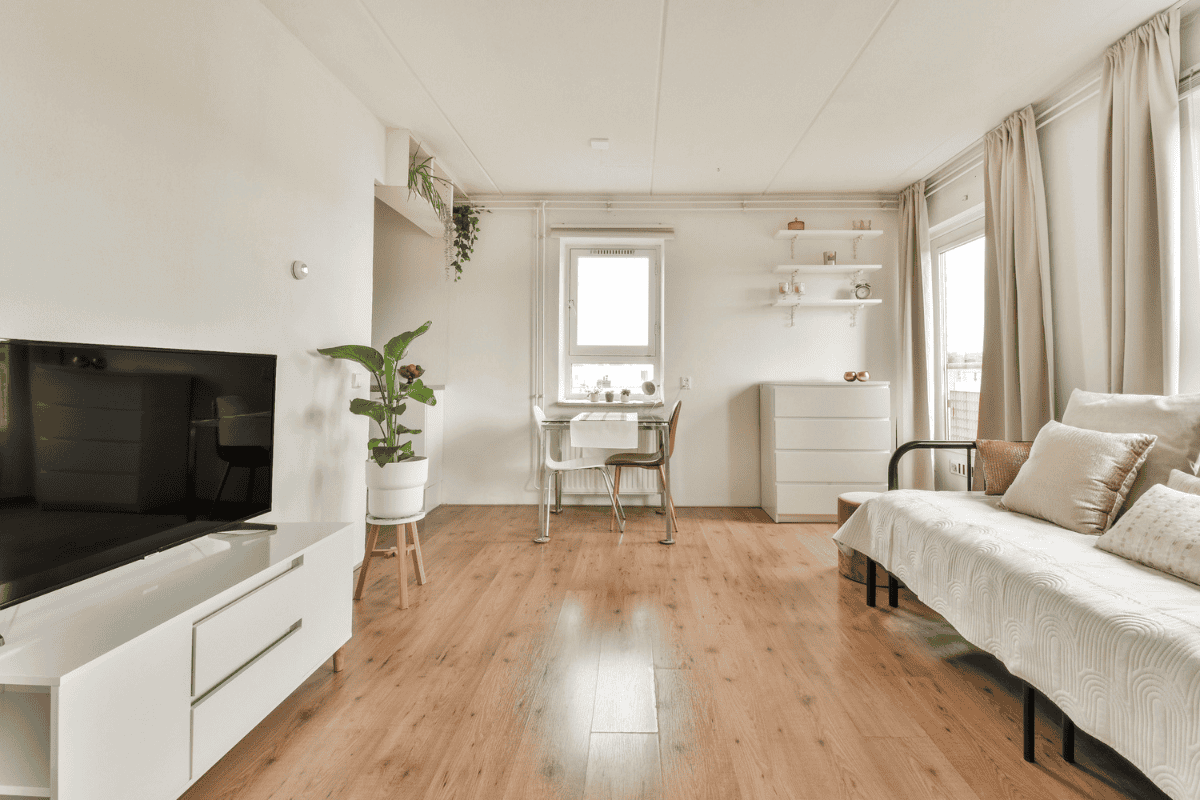
Before thinking about furniture or decor, I always look at the room itself. The walls, the layout, and especially the natural light set the tone for the entire living room design.
Light-colored walls reflect natural light, making the space feel larger and brighter. I've noticed that even small living rooms feel more open when the walls are kept simple and light. Clean walls also make it easier to change things later without feeling locked into one design style.

Simple Furniture Choices That Make a Big Difference
Furniture can make or break a minimalist living room. I've learned that fewer pieces usually work better than trying to fill every corner. A comfortable sofa, a functional coffee table, and one or two supporting pieces are often all you really need.
I prefer a wooden coffee table because it adds warmth without visual clutter. Natural materials like wood, cotton, and linen soften the clean design and keep the room from feeling cold. When furniture has clean lines and simple shapes, the entire living area feels lighter and more intentional.
Letting Natural Light Do the Work
Natural light is one of the most underrated design ideas in minimalist living rooms. I've noticed that rooms with good light don't need much decor at all. The light itself becomes part of the design.
Keeping windows simple helps maximize light. Sheer curtains or light window coverings allow sunlight to fill the room while still keeping things private. When natural light hits clean walls and simple furniture, the entire space feels fresh and calm.

Keeping Clutter Under Control (Without Perfection)
Clutter can quietly take over a living room before you even realize it. In minimalist living, clutter control isn't about hiding everything; it's about being intentional with what stays visible.
I try to keep surfaces, such as the coffee table, mostly clear. A book, a coffee cup, and maybe one small decorative piece are usually enough. Closed storage also helps. Cabinets, baskets, and drawers make it easier to keep everyday items within easy reach without letting them dominate the room.
Choosing Colors That Feel Calm and Natural
Color plays a big part in setting the mood of a minimalist living area. Soft neutrals like white, beige, gentle gray, and warm wood tones create a calm, airy base and work beautifully with natural light.
That doesn't mean the room has to feel boring. I like adding a small pop of color through pillows, a throw, or a piece of wall art. Keeping the color palette limited helps maintain simplicity while still making the room feel personal.

Adding Personality Without Adding Clutter
A minimalist living room should still feel like home. I've found that choosing a few meaningful pieces makes a bigger impact than filling the room with decor.
Instead of covering every wall, one simple piece of art on a clean wall can say a lot. A favorite book, a plant, or a small decorative object can add personality without overwhelming the space. When everything has room to breathe, each piece feels more special.
Making Minimalist Living Work for Real Life
Minimalist living works best when it supports how you actually live. If you drink coffee in the living room every morning, as I do, the coffee table should be practical. If you like hosting friends, leave open space for movement and conversation.
I've noticed that minimalist-style rooms are easier to clean, reset, and enjoy. When there's less clutter, everyday routines feel smoother and less stressful.

Final Thoughts
Creating a minimalist living area doesn't have to be complicated. It's about paying attention to what feels good in your space and letting go of what doesn't.
I love how minimalist living brings a sense of calm into everyday life. A clean, simple living room makes it easier to slow down, enjoy a quiet coffee, and feel at home. You don't need perfection, just a space that feels comfortable, natural, and truly yours. Start small, trust your instincts, and let your living area evolve at a pace that feels right for you.




Leave a Reply