
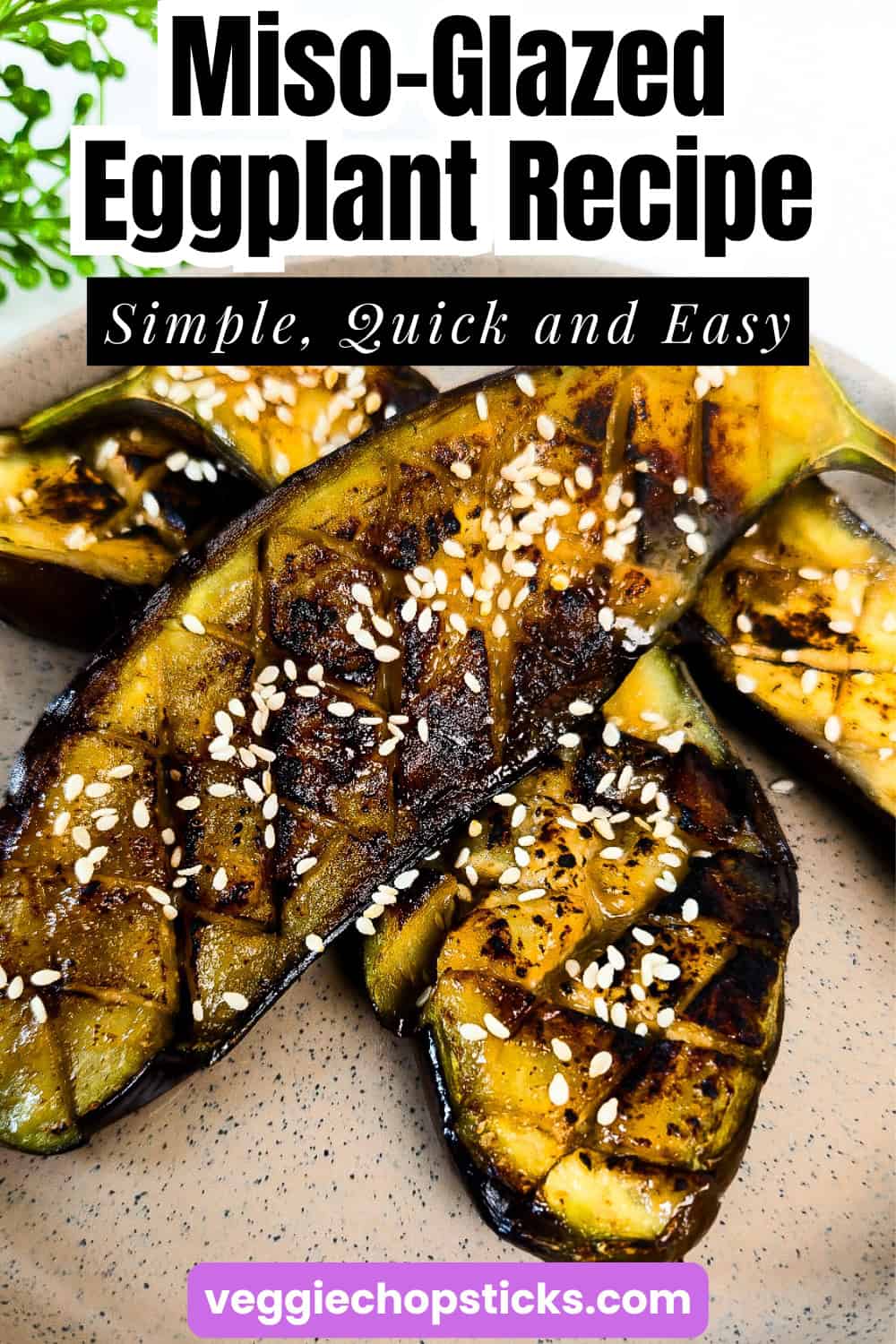
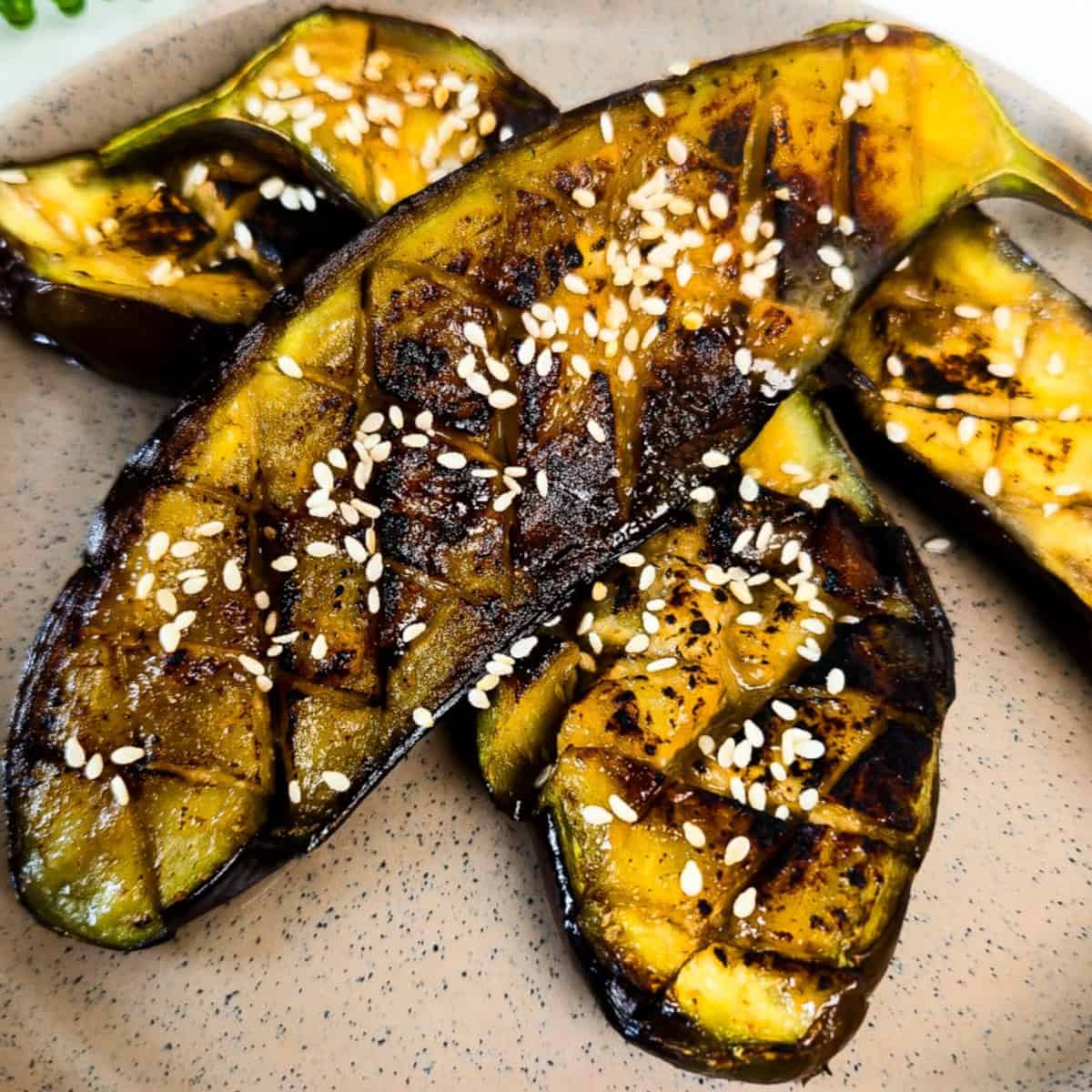
If you love dishes that taste restaurant-worthy but require barely any effort, this Miso-Glazed Eggplant is about to become your new weeknight favorite. Tender eggplant halves get roasted until perfectly creamy, then brushed with a sweet-savory miso glaze that caramelizes into a glossy, flavorful coating.
Jump To
- Ingredients for Simple Miso-Glazed Eggplant
- How to Make Miso-Glazed Eggplant Step by Step
- Pro Tips for the Best Miso-Glazed Eggplant
- Storing and Reheating Tips for Miso-Glazed Eggplant
- Variations to Try for Miso-Glazed Eggplant
- Best Pairing Dishes for Miso-Glazed Eggplant
- Final Thoughts
- FAQ
- Miso-Glazed Eggplant Recipe: Simple, Quick and Easy
- YOU MAY ALSO LIKE
It's simple, quick, and unbelievably satisfying, exactly the kind of recipe you want when you need something delicious without spending all night in the kitchen. This version is especially great if you love bold Japanese flavors or want a plant-based dish that feels both cozy and vibrant.
Whether you serve it as a side dish, pair it with rice, or enjoy it on its own, this easy miso-glazed eggplant brings bold flavor to your table in under 20 minutes. It's a great choice for anyone craving bold umami and a simple cooking process that always delivers. If you've been searching for a reliable miso-glazed eggplant recipe, this one is sure to become a staple.
Ingredients for Simple Miso-Glazed Eggplant
Before you start cooking, here's a quick look at the simple, flavor-packed ingredients that make this miso-glazed eggplant recipe so delicious.
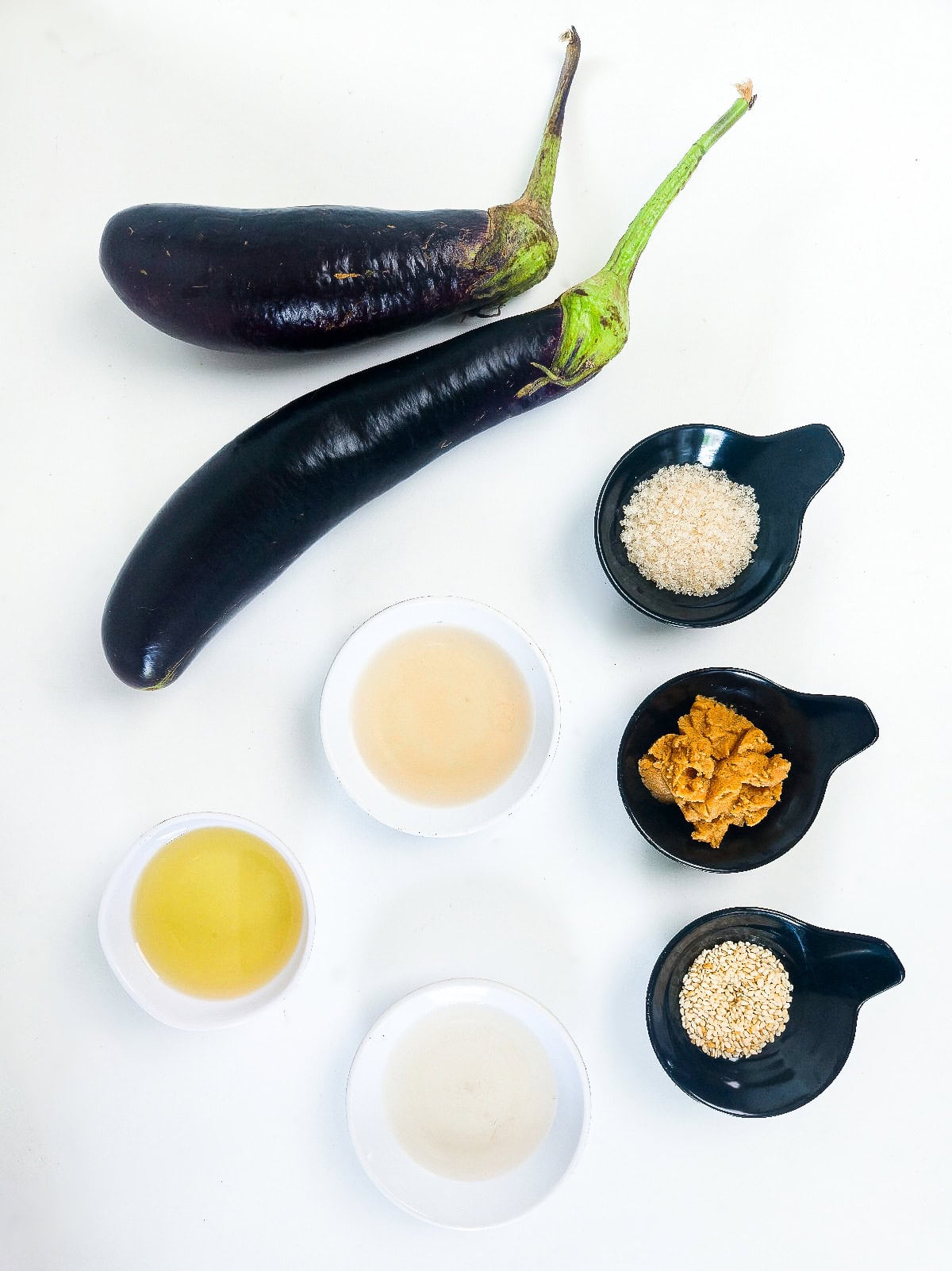
- Small eggplants: Their petite size keeps the flesh tender, allowing the glaze to soak in beautifully. If available, Japanese or Chinese eggplants work especially well thanks to their thin skin and mild, sweet flavor.
- Vegetable oil: Helps the eggplant brown, soften, and caramelize as it cooks.
- Miso paste: The rich, savory base that gives the glaze its deep umami flavor.
- Mirin: Adds a touch of sweetness and a glossy finish to the miso glaze.
- Granulated sugar: Enhances caramelization and balances the salty miso.
- Cooking sake: A classic Japanese rice wine that rounds out the glaze with subtle depth.
- Sesame seeds: A simple topping that adds crunch, nuttiness, and visual appeal.
How to Make Miso-Glazed Eggplant Step by Step
Making this miso-glazed eggplant recipe is simple, quick, and full of bold flavor. Here's how to bring everything together with ease.
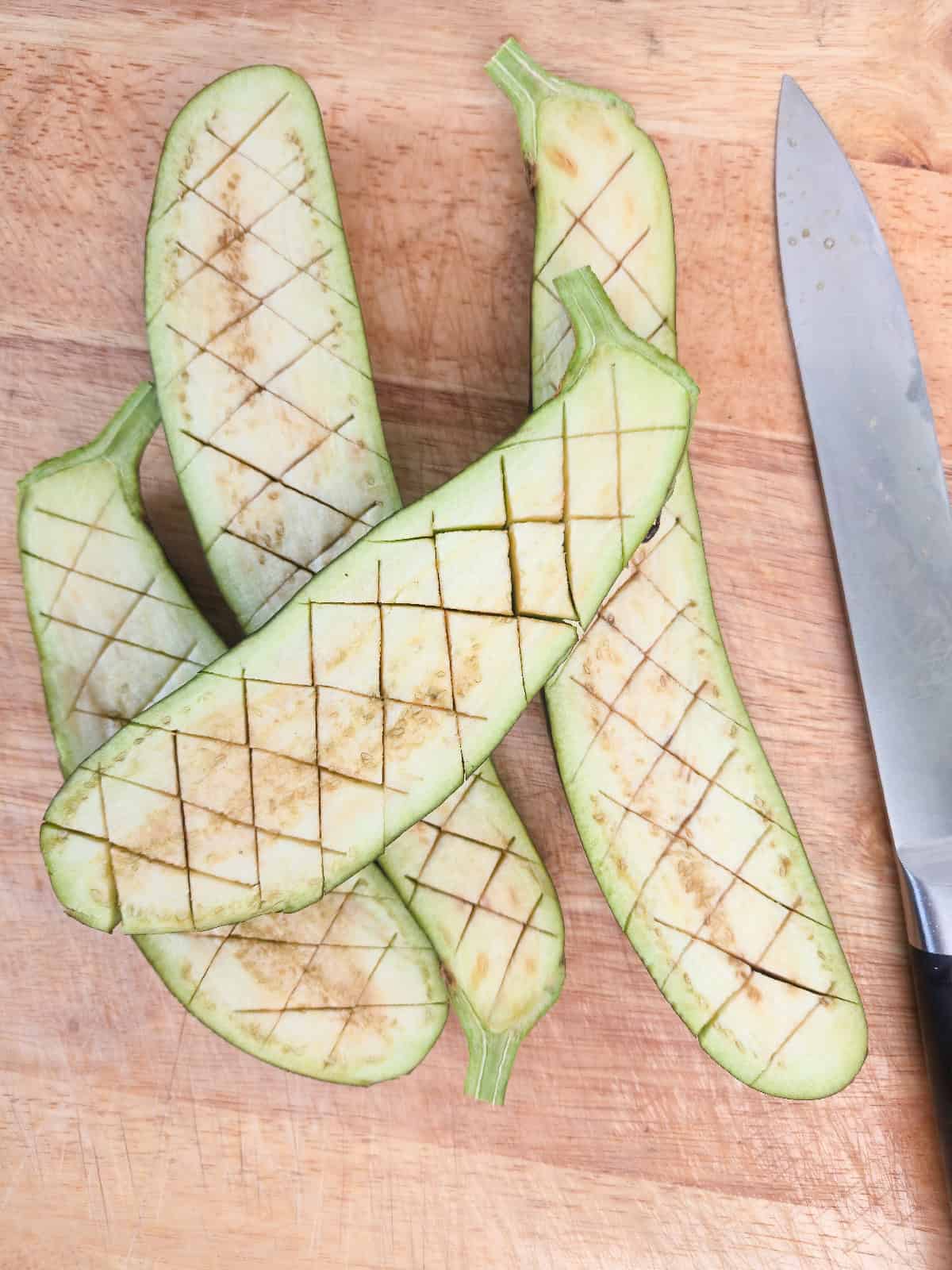
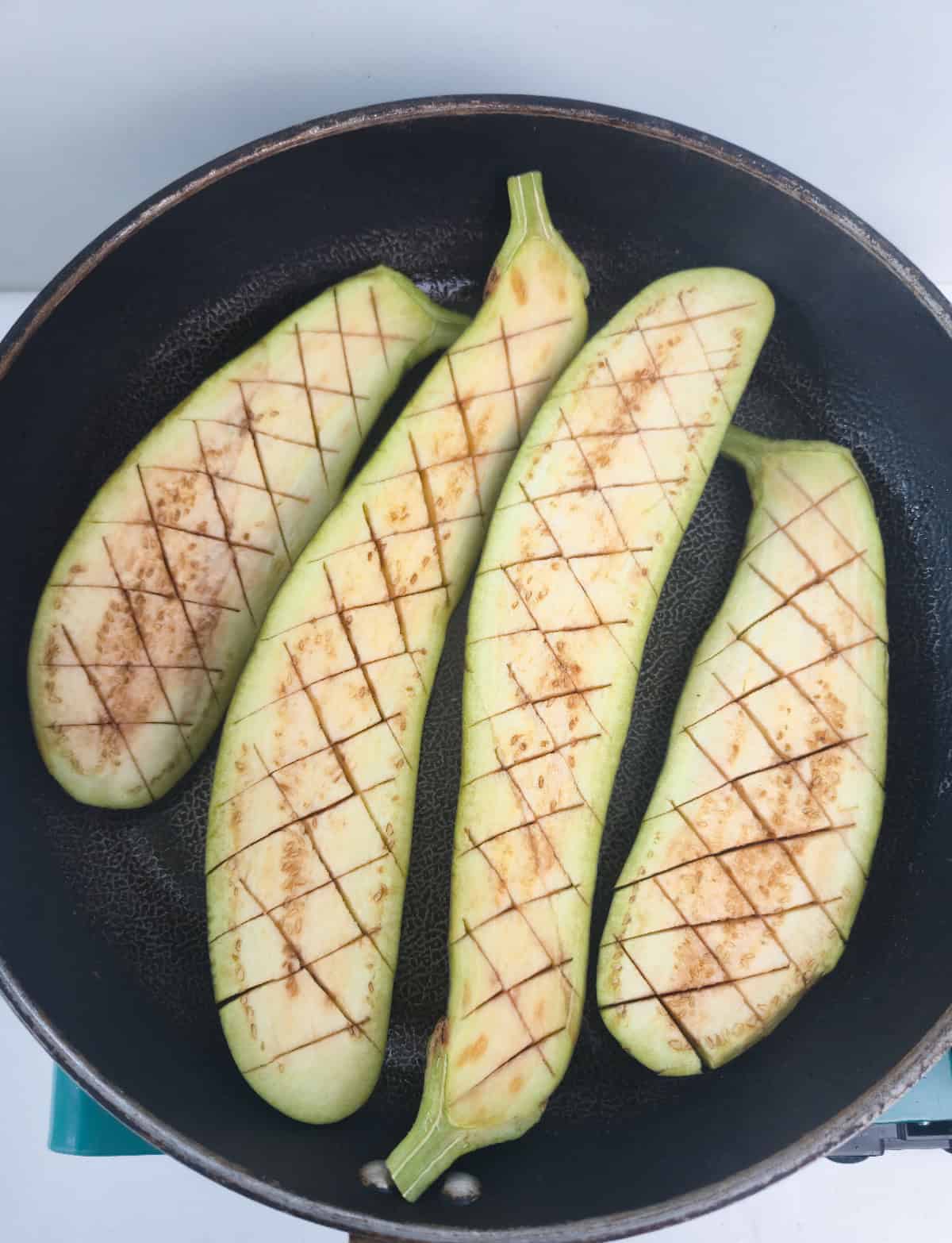
Prepare the eggplant: Slice each eggplant in half, lengthwise, then lightly score the flesh in a crosshatch pattern. This helps it cook evenly and allows the miso glaze to soak in.
Pan-fry the eggplant: Heat a little oil in a pan over high heat, then place the eggplant cut-side up so the skin side touches the pan. Let the skin brown and crisp for a few minutes.
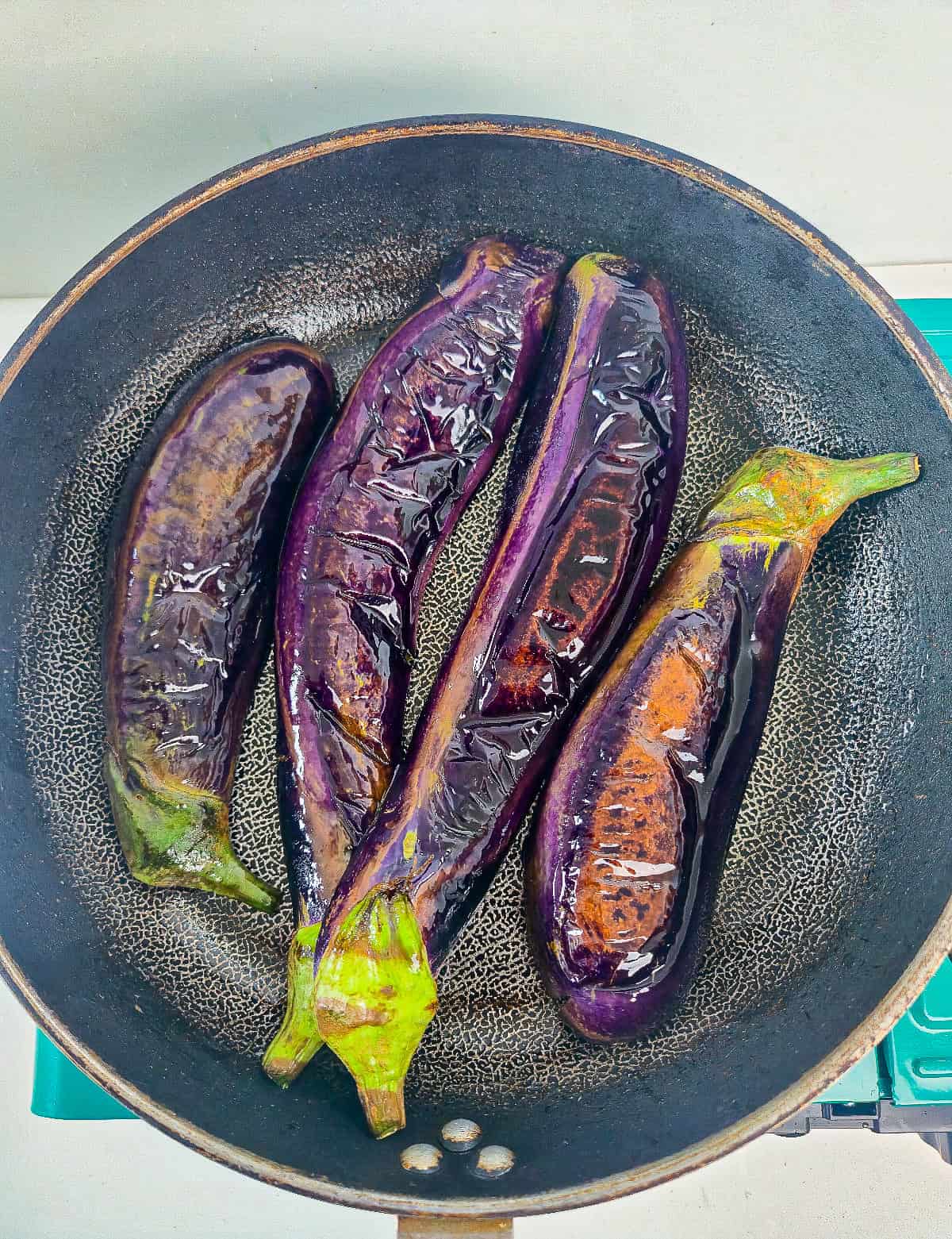
Flip and cover: Turn the eggplant halves over so the cut side faces down, cover with a lid, and cook for another 3 to 4 minutes until the inside is soft and fully cooked.
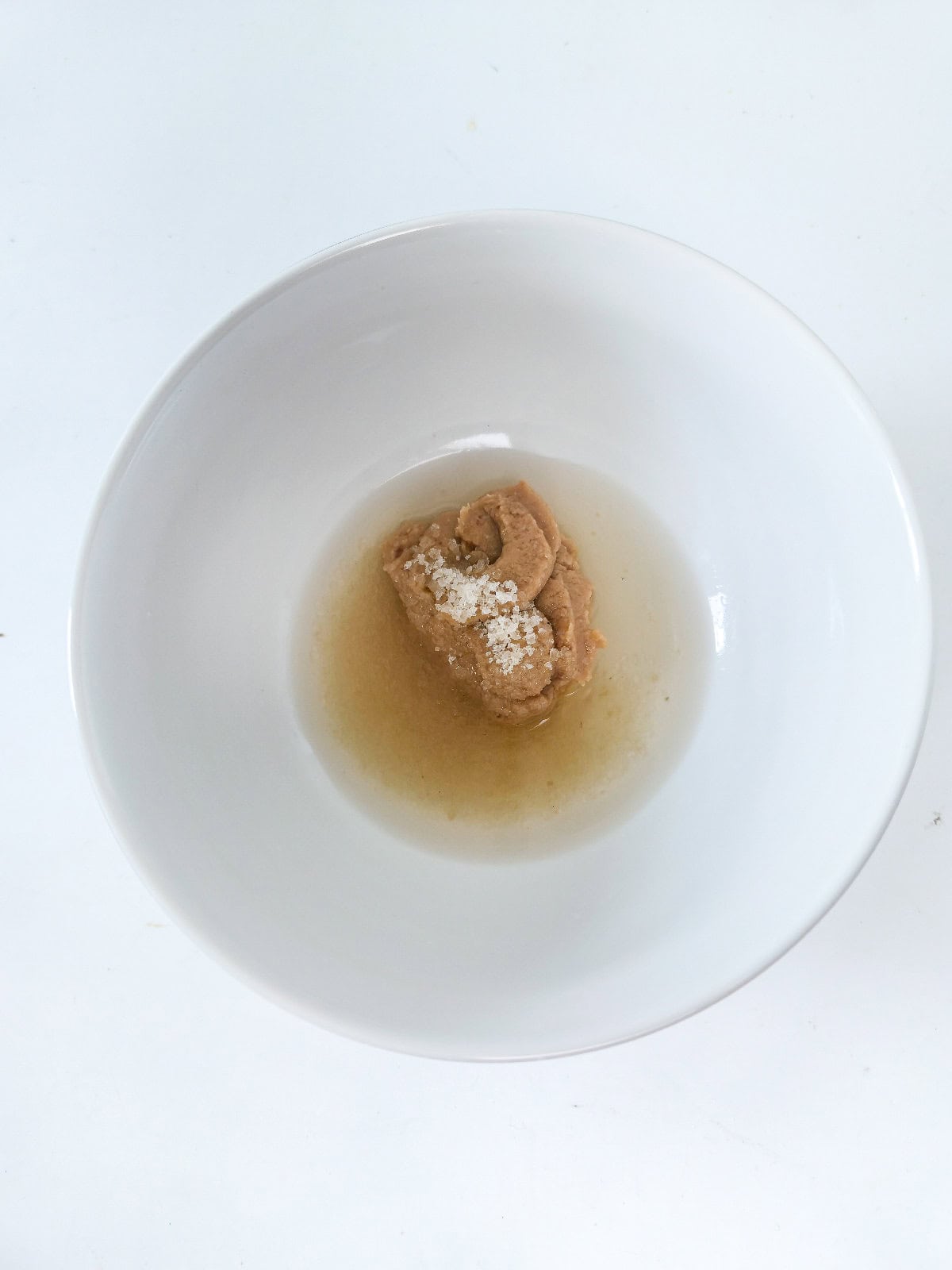
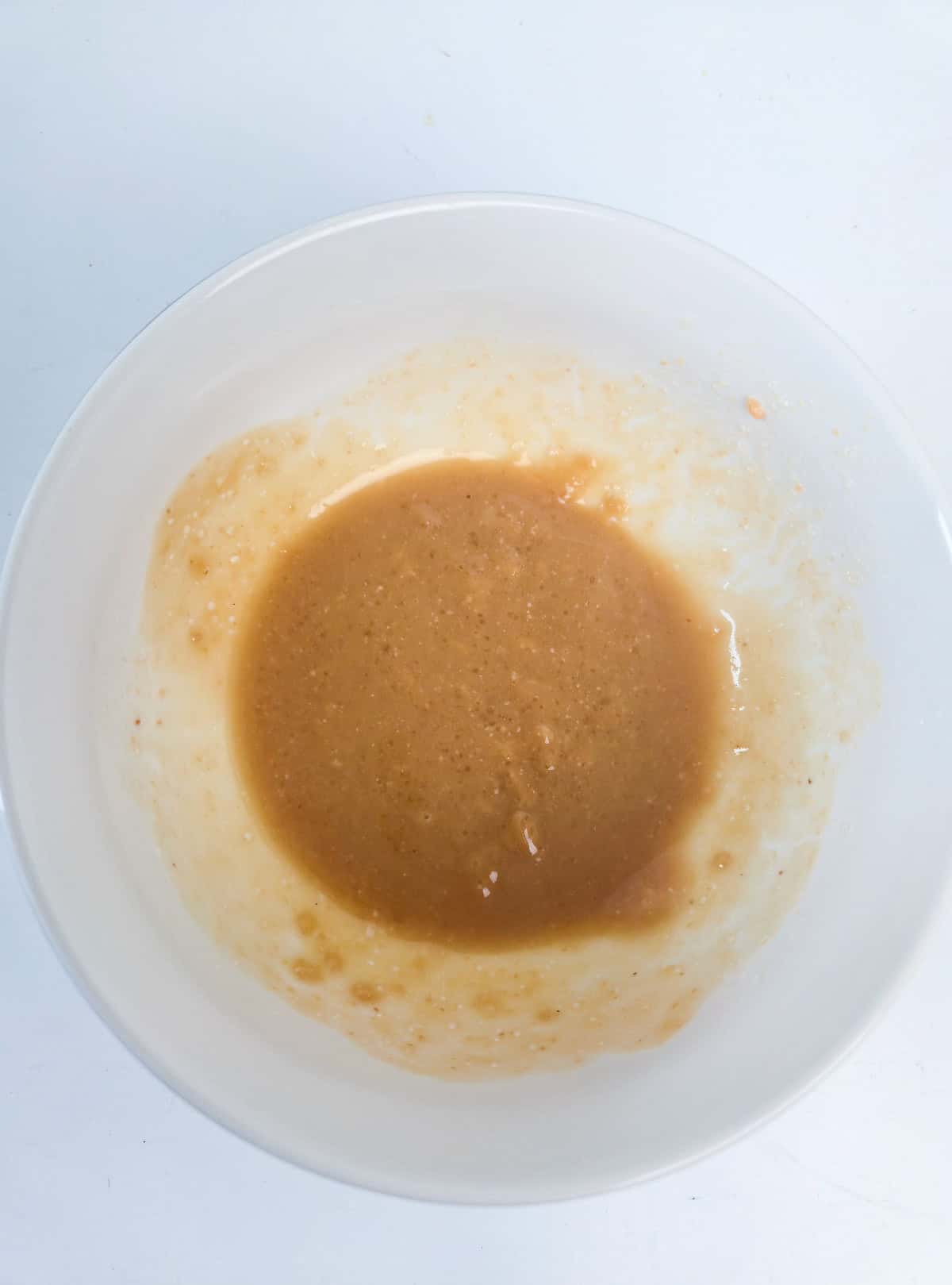
Mix the miso glaze: While the eggplant finishes cooking, whisk together miso paste, mirin, sugar, and sake in a small bowl until smooth and glossy.
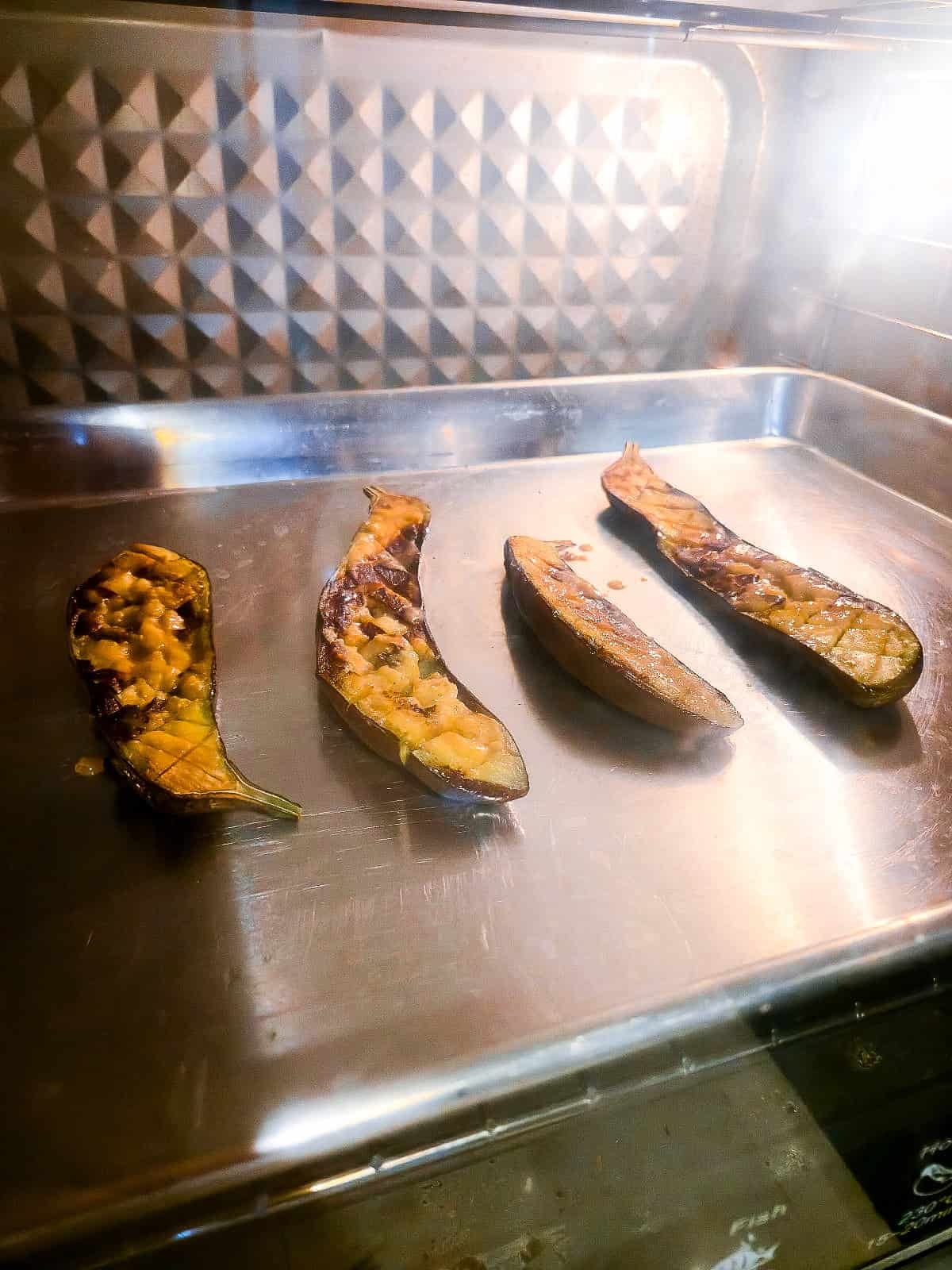
Brush on the glaze: Line a baking tray with foil, place the cooked eggplant halves skin-side down, and generously brush the miso glaze over the entire surface.
Broil until caramelized: Place the tray under the broiler for about 4 minutes, or until the glaze is bubbling and caramelized around the edges.
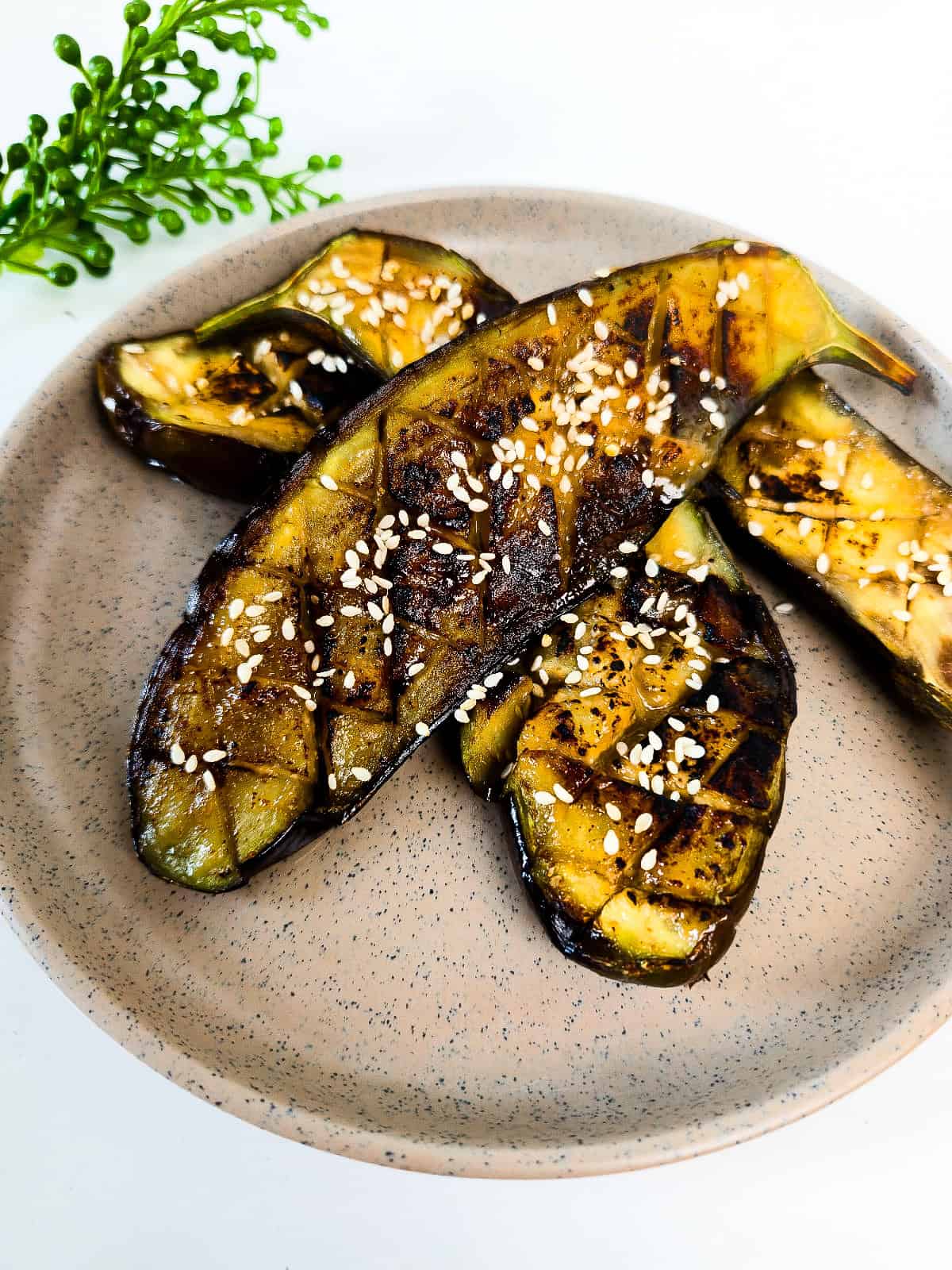
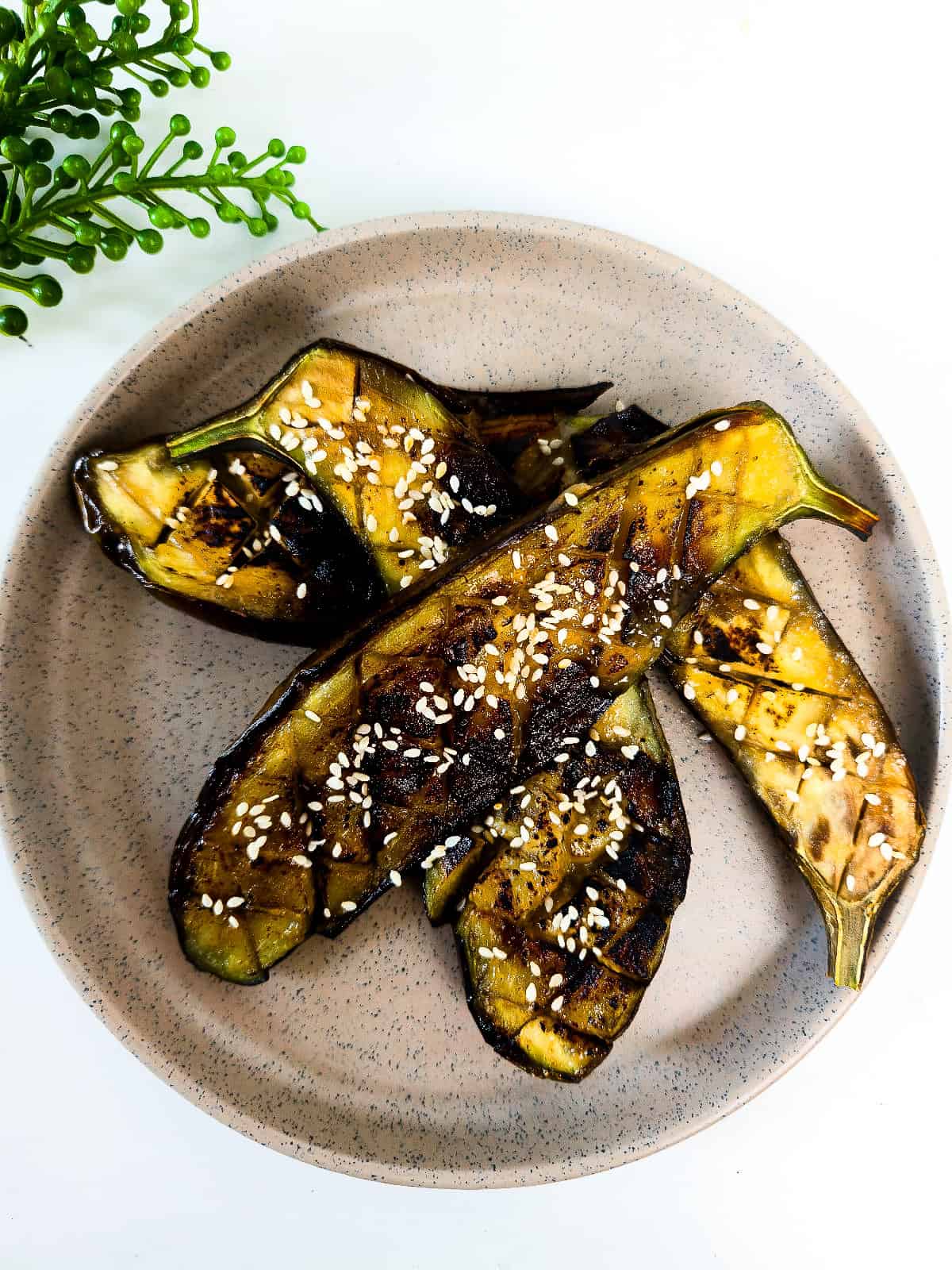
Garnish and serve: Finish the miso-glazed eggplant with a sprinkle of sesame seeds, then serve hot while the glaze is still beautifully glossy and flavorful.
Pro Tips for the Best Miso-Glazed Eggplant
If you want your miso-glazed eggplant to turn out perfectly tender with a beautifully caramelized finish, these simple tips make all the difference.
Start by scoring the flesh of the eggplant in a shallow crosshatch pattern. This helps the glaze absorb deeper and ensures the inside cooks evenly. Giving the eggplant a light brush of oil before roasting promotes a golden, slightly crisp surface while keeping the interior soft and creamy.
When glazing, wait until the last few minutes of cooking so the sugars can caramelize without burning. Allowing the eggplant to rest briefly after cooking lets the glaze settle into the flesh, creating the signature rich, glossy finish that makes glazed miso eggplant so irresistible.
Storing and Reheating Tips for Miso-Glazed Eggplant
When you have leftovers, storing and reheating this miso-glazed eggplant is simple and keeps the flavor intact. Let the eggplant cool completely, then place it in an airtight container and refrigerate it for up to three days.
To reheat, pop it back in a warm oven so the glaze softens and the edges regain a bit of caramelization.
The microwave also works in a pinch, just heat gently to keep the texture tender. The best part is that the glaze actually deepens in flavor overnight, making leftovers surprisingly delicious.
Variations to Try for Miso-Glazed Eggplant
If you enjoy experimenting with flavors, this miso-glazed eggplant recipe offers plenty of fun twists to keep things exciting.
You can swap the small eggplants for Japanese eggplants, which cook quickly and soak up the glaze effortlessly. Adding a teaspoon of grated ginger or garlic to the miso sauce introduces a sharp, aromatic kick that pairs beautifully with the sweetness of the mirin.
For a richer flavor profile, blend a touch of sesame oil or even a spoonful of gochujang into the glaze. And if you prefer a lighter option, broiling the eggplant at the end creates charred edges that bring a smoky depth without altering the core recipe.
Best Pairing Dishes for Miso-Glazed Eggplant
For easy sides that complement your miso-glazed eggplant, steamed jasmine rice or brown rice is the perfect match; it soaks up the flavorful glaze beautifully.
Fresh options like miso soup or cucumber salad keep the meal light, while grilled salmon, teriyaki chicken, or tofu add more protein if you want something heartier. Even simple sautéed greens like bok choy or spinach make a clean, balanced pairing.
Final Thoughts
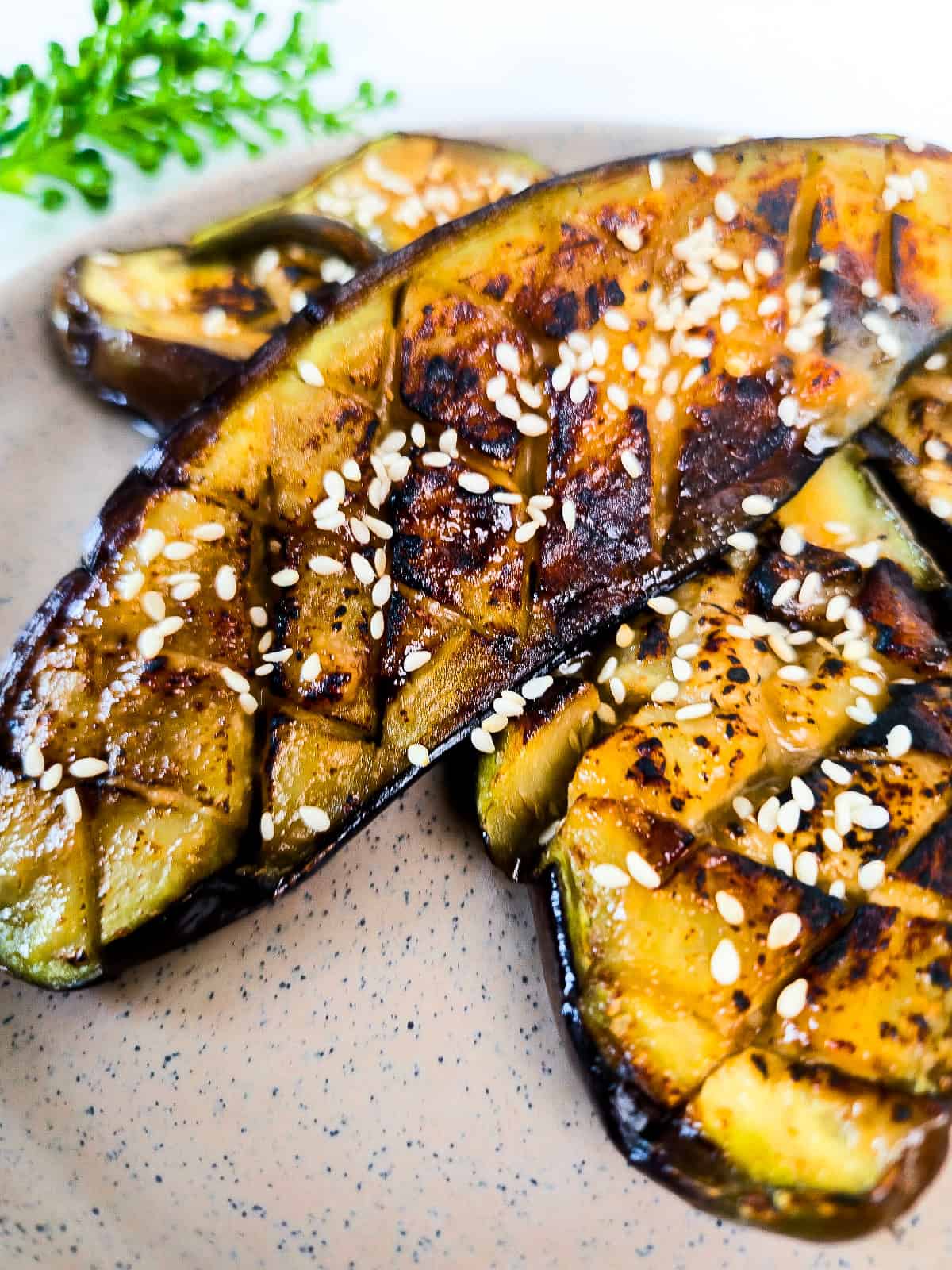
This miso-glazed eggplant recipe shows how a few simple ingredients can create a dish that feels both comforting and restaurant-worthy. The tender eggplant, the caramelized miso glaze, and the rich umami flavors come together in a way that's satisfying without being complicated.
It's quick enough for busy weeknights yet special enough to serve when you want something a little more memorable. Whether you enjoy it as a side dish or make it the star of your meal, this easy glazed miso eggplant is one you'll want to make again and again.
FAQ
Smaller Japanese eggplants work beautifully because they have thin skins, fewer seeds, and a naturally creamy texture when cooked. You can also use small globe eggplants, but they may take a few extra minutes to soften.
Not for this recipe. Because the eggplants are small and the sweet miso glaze is already flavorful, salting and draining aren't necessary. Just slice, score, oil, and cook.
Yes! Air fryer miso eggplant turns out wonderfully tender with a caramelized top. Air-fry the oiled halves until soft, then brush with the miso glaze and air-fry again to finish. This method is quicker and gives a toasty finish.
Awase miso (a blend of white and red miso) works best because it balances sweetness and savory depth. White miso makes a milder glaze, while red miso gives a richer, saltier miso sauce. Any will work, just adjust the sweetness if needed.
The glaze is sweet, salty, and full of umami. The combination of miso paste, mirin, sugar, and sake creates a glossy, sweet miso flavor similar to classic Nasu Dengaku served at Japanese restaurants.
If you don't have mirin, use a tiny bit of honey or a splash of rice vinegar with sugar. For the sake of it, substitute dry white wine or a small amount of water for extra mirin. The flavor won't be exactly the same, but the glaze will still be delicious.
It should look soft, slightly collapsed, and easily pierced with a fork. The surface will be a light golden color before you add the glaze. After broiling or air frying, the top should look caramelized and glossy.
You can use honey or maple syrup, but a sweetener is important because it helps the miso caramelize. Without sweetness, the glaze won't brown properly.
Broil the eggplants for the last few minutes or use the air fryer at high heat. Watch closely, glazed eggplant can caramelize quickly, and you don't want it to burn.
Miso-Glazed Eggplant Recipe: Simple, Quick and Easy
Ingredients
- 2 small eggplants
- 2 tablespoons neutral oil such as vegetable oil
For the Miso Glaze
- ¼ cup miso paste or white miso
- 1½ tablespoons mirin
- 1 tablespoon cooking sake
- 1 tablespoon granulated sugar
For Garnish
- Sesame seeds to taste
Instructions
- Prepare the eggplant: Slice each eggplant in half, lengthwise, then lightly score the flesh in a crosshatch pattern. This helps it cook evenly and allows the miso glaze to soak in.
- Pan-fry the eggplant: Heat a little oil in a pan over high heat, then place the eggplant cut-side up so the skin side touches the pan. Let the skin brown and crisp for a few minutes.
- Flip and cover: Turn the eggplant halves over so the cut side faces down, cover with a lid, and cook for another 3 to 4 minutes until the inside is soft and fully cooked.
- Mix the miso glaze: While the eggplant finishes cooking, whisk together miso paste, mirin, sugar, and sake in a small bowl until smooth and glossy.
- Brush on the glaze: Line a baking tray with foil, place the cooked eggplant halves skin-side down, and generously brush the miso glaze over the entire surface.
- Broil until caramelized: Place the tray under the broiler for about 4 minutes, or until the glaze is bubbling and caramelized around the edges.
- Garnish and serve: Finish the miso-glazed eggplant with a sprinkle of sesame seeds, then serve hot while the glaze is still beautifully glossy and flavorful.




Leave a Reply