
If you're new to veganism or simply trying to eat more plant-based foods, you've probably wondered, "Why is honey not vegan?" At first glance, it seems like a confusing question. Honey comes from bees, not cows or chickens, and harvesting it doesn't necessarily involve killing an animal. So why do so many vegans choose not to eat it?
Jump To
- What Is Veganism?
- Is Honey Vegan?
- Why Isn't Honey Vegan?
- How Is Honey Made?
- Why Do Some Vegans Object to Honey Production?
- Honeybees, Bee Populations, and the Environment
- Is Raw or Organic Honey Vegan?
- Do All Vegans Avoid Honey?
- Best Vegan Honey Alternatives
- Should You Eat Honey on a Vegan Diet?
- Final Thoughts
- FAQ
- You May Also Like
The answer has less to do with honey itself and more to do with the philosophy behind veganism. While honey is a natural food that's been enjoyed around the world for thousands of years, it's also made by honeybees for their own survival. Most vegans believe that because honey is an animal product created by bees for their colony, humans shouldn't harvest it for food.
Of course, not everyone agrees. Some people who follow a mostly plant-based diet still enjoy local honey, while others avoid it completely. Even within the vegan community, you'll occasionally find different opinions.
In this guide, we'll answer common questions like "Is honey vegan?", "Do vegans eat honey?", "Can vegans have honey?", and "Why don't vegans eat honey?" We'll also explore how honey is made, why commercial honey production raises ethical concerns for some people, and the best vegan alternatives to honey.
What Is Veganism?
Veganism is more than just avoiding meat or dairy. It's a lifestyle that aims to avoid using animals and animal products whenever practical and possible.
That includes obvious foods like meat, eggs, milk, and cheese, but it also extends to ingredients that come from animals, including honey.
For many vegans, the goal isn't simply eating a healthier diet. It's about reducing animal exploitation and choosing foods that don't rely on animals for production.
That's why the question "Is honey vegan?" isn't really about nutrition; it's about ethics.
Is Honey Vegan?
The short answer is no.
Most vegans do not consider honey to be vegan because it is made by bees. Although honey isn't part of an animal's body like milk or eggs, it is still an animal product because honeybees create it for their own use.
Worker bees collect nectar from flowers, transform it into honey, and store it inside the hive as their primary food source. That honey helps feed the colony throughout the year, especially during the winter when flowers are no longer blooming.
Because humans harvest a food that bees make for themselves, most vegan organizations classify honey as non-vegan.
Honey is generally considered vegetarian, however, because producing it doesn't require slaughtering the bees.
Why Isn't Honey Vegan?
This is where the discussion becomes more about philosophy than food.
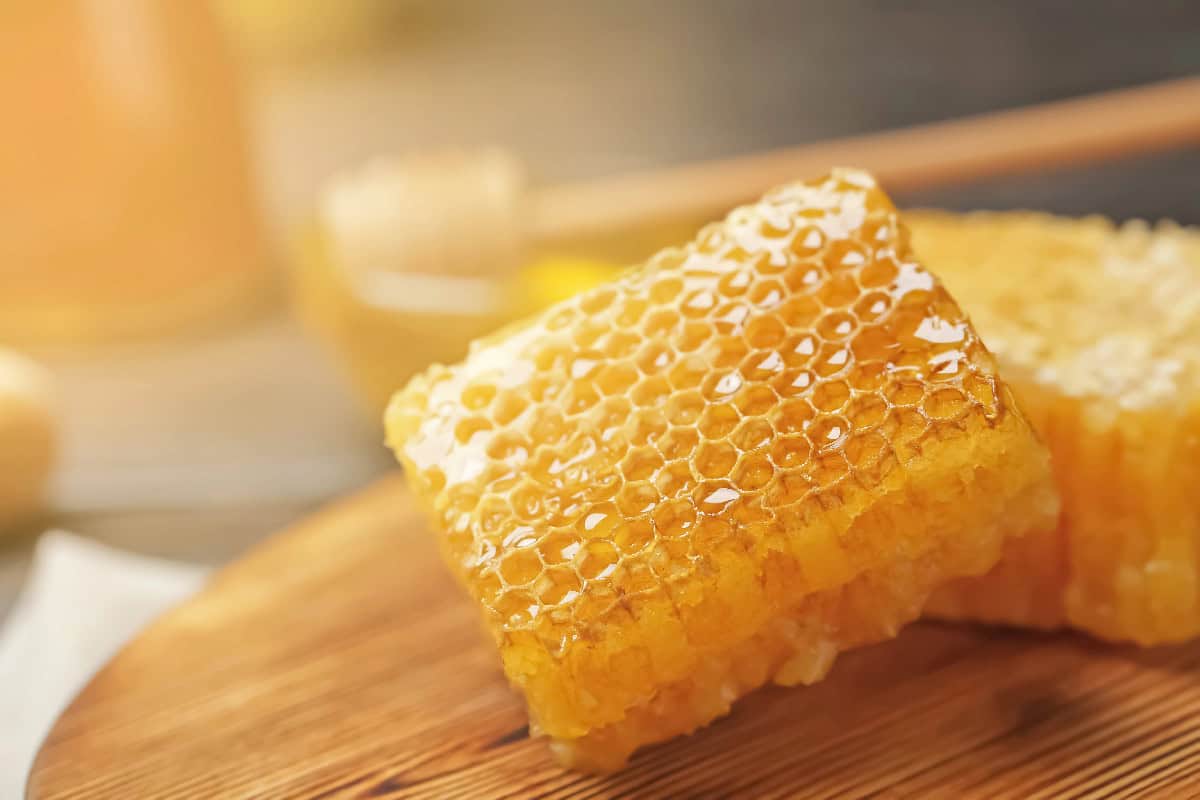
Honey is made by bees to nourish their colony, not to feed people. From a vegan perspective, harvesting honey means taking something animals have produced for themselves.
Many people assume vegans avoid honey because they think bees are always harmed during harvesting, but that's only part of the conversation.
Instead, many ethical vegans believe humans shouldn't use animals or the products they create for our own benefit whenever practical alternatives exist.
Since there are plenty of plant-based sweeteners available today, many vegans choose to leave honey for the bees that made it.
How Is Honey Made?
Honey production is an incredible process that begins with flowering plants.
Worker honeybees collect floral nectar from thousands of flowers and store it in a special honey stomach. As they travel back to the hive, natural enzymes begin converting the nectar into simpler sugars.
Inside the hive, the nectar is passed between worker bees before being stored in honeycomb cells. The bees then fan their wings to evaporate excess water, gradually transforming the nectar into thick, golden honey.
The finished honey becomes the colony's food supply, providing energy during colder months and times when nectar is scarce.
Considering that a single bee produces only about one-twelfth of a teaspoon of honey during its lifetime, it's easy to see why many vegans believe honey belongs to the bees that worked so hard to make it.
Why Do Some Vegans Object to Honey Production?
Not all beekeeping is the same, and that's one reason this topic can be surprisingly nuanced.
Many local beekeepers care deeply about their hives and work to maintain healthy bee colonies. Some harvest only surplus honey and see themselves as caretakers of the bees.
Commercial honey production, however, often operates on a much larger scale.
Large commercial beekeepers may manage thousands of hives, transport bee colonies across the country for crop pollination, replace queen bees, or harvest significant amounts of honey before feeding the colonies a sugar substitute, usually sugar syrup.
While these practices help maintain honey production, many ethical vegans question whether animals should be used in food production at all.
It's worth noting that not every commercial beekeeper follows the same methods, and many genuinely prioritize bee welfare. The debate isn't simply about whether bees are harmed. Instead, it's about whether humans should rely on animals to produce food when plant-based alternatives are widely available.
Honeybees, Bee Populations, and the Environment
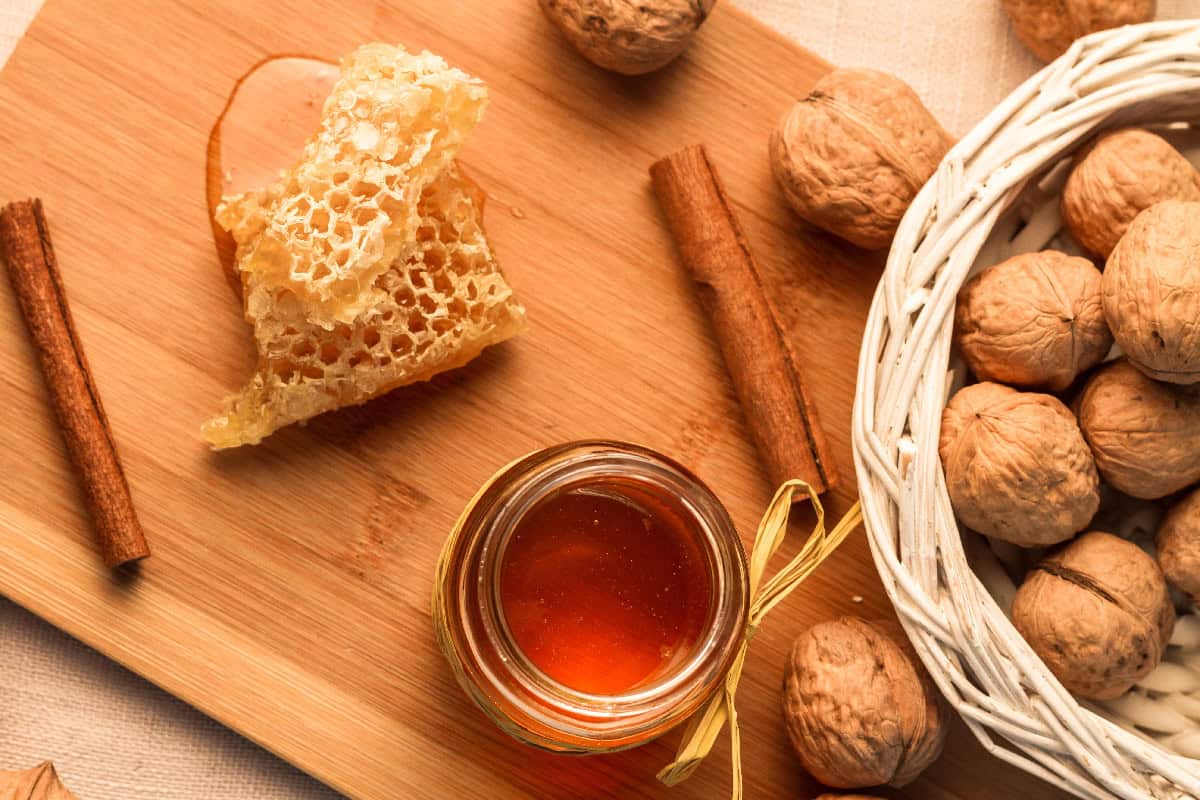
Honeybees are some of the world's most important pollinators. They help pollinate many fruits, vegetables, nuts, and seed crops, making them an essential part of modern agriculture.
However, protecting honeybees isn't the same as protecting all pollinators.
Scientists have found that introducing large numbers of managed honeybee colonies into certain areas may increase competition for nectar and pollen, making it more difficult for native bees and other wild pollinators to thrive.
For that reason, conversations about honey often include broader topics like biodiversity, healthy ecosystems, and supporting diverse bee populations rather than focusing only on honeybees.
This environmental discussion is separate from the vegan argument, but it's another reason the topic continues to generate debate.
Is Raw or Organic Honey Vegan?
Whether honey is raw, local, filtered, or organic doesn't change its vegan status.
Raw honey simply means it hasn't been heavily processed or pasteurized.
Organic honey refers to specific farming and production standards.
In both cases, the honey is still made by bees, so most vegans do not consider it vegan.
Do All Vegans Avoid Honey?
Not necessarily.
While most vegans choose not to eat honey, some people identify as vegan but still consume locally produced honey because they believe responsible beekeeping can support healthy bee populations.
Others follow a plant-based diet primarily for health reasons rather than strictly following the ethical principles of veganism.
That's why you'll occasionally come across discussions asking about the percentage of vegans who eat honey or whether vegans who eat honey are still vegan.
Ultimately, it's a personal decision, although most vegan organizations continue to classify honey as a non-vegan food.
Best Vegan Honey Alternatives
Fortunately, giving up honey doesn't mean giving up sweetness.
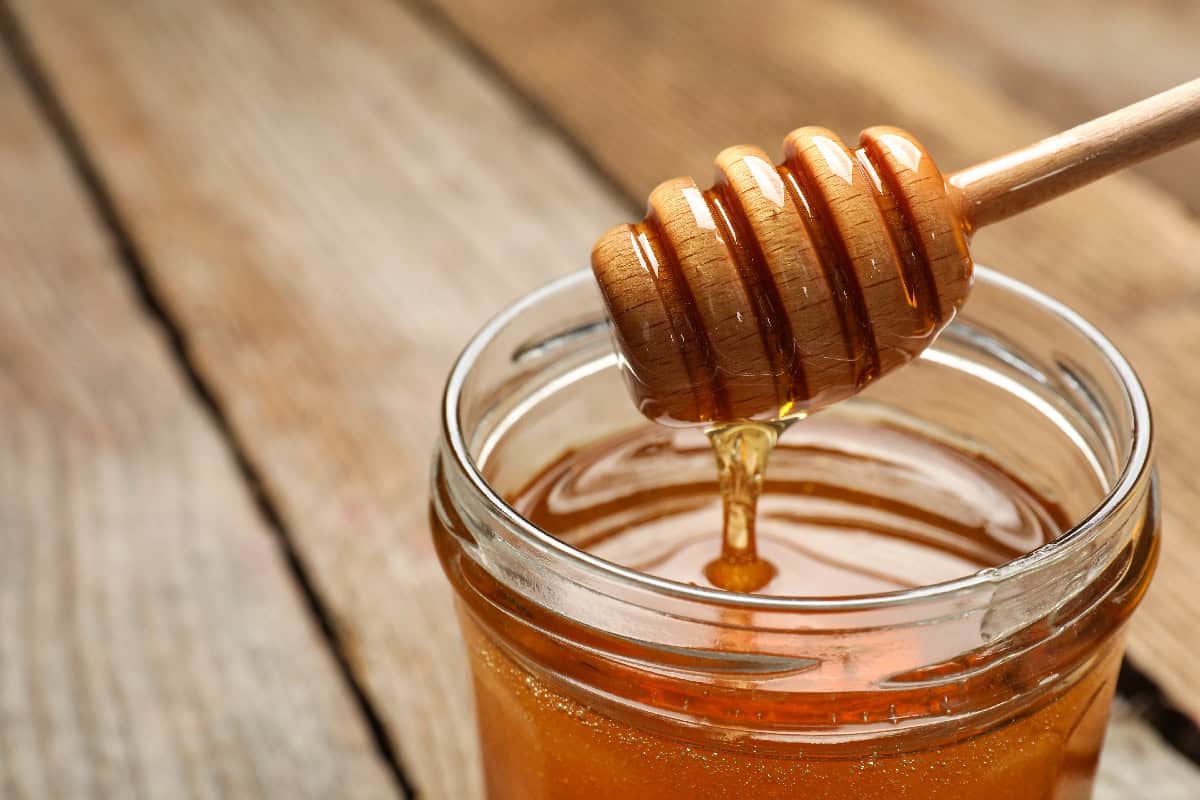
Maple syrup remains one of the most popular vegan alternatives because it's made entirely from maple tree sap. It works beautifully on pancakes, waffles, oatmeal, baked goods, marinades, and salad dressings.
Agave syrup has a mild flavor and a texture that's very similar to honey, making it an easy substitute for tea, coffee, and desserts.
Date syrup offers a rich caramel flavor while providing naturally occurring minerals and fiber.
You can also buy vegan honey, sometimes called bee-free honey. These products are made without bees, using plant-based ingredients such as apples, cane sugar, herbs, flowers, or fruit concentrates to recreate the taste and texture of traditional honey.
If you've ever asked, "Is maple syrup vegan?", the answer is yes. Along with agave syrup and date syrup, it's one of the easiest swaps when transitioning to a vegan kitchen.
Should You Eat Honey on a Vegan Diet?
Whether or not you eat honey ultimately depends on your personal beliefs and why you chose a vegan lifestyle in the first place.
If you're vegan for ethical reasons, you'll likely avoid honey because it is produced by bees. From this perspective, choosing maple syrup, agave syrup, or another plant-based sweetener better aligns with the goal of avoiding animal products whenever practical.
On the other hand, some people who eat a mostly plant-based diet choose to include locally sourced honey. They may believe that supporting responsible beekeepers encourages sustainable agriculture and healthy bee populations. This is one reason you'll sometimes come across discussions about vegans and honey or vegans who eat honey.
There isn't a universal rule, but if you're wondering "Can vegans eat honey?" or "Can vegans have honey?", the answer from most vegan organizations is no. Honey is generally considered an animal product because it's made by bees for their own colony rather than for human consumption.
If you're just beginning your vegan journey, don't feel like you have to change everything overnight. Many people gradually swap honey for maple syrup or other vegan sweeteners as they discover new recipes and ingredients they enjoy.
Final Thoughts
So, why is honey not vegan? Although honey is a natural food that's been enjoyed for centuries, it is still made by honeybees for their own survival. Most vegans choose not to consume honey because they believe animals, including bees, shouldn't be used to produce food for humans.
At the same time, the conversation isn't entirely one-sided. Some beekeepers work hard to care for their hives, and some people who follow a mostly plant-based lifestyle choose to eat local honey. Ultimately, the decision comes down to your own values and how you define your vegan journey.
Fortunately, there are plenty of delicious alternatives. Whether you reach for maple syrup, agave syrup, date syrup, or vegan honey, it's easy to enjoy your favorite foods while keeping them completely plant-based.
Understanding where your food comes from and why different people make different choices can help you build a diet that feels right for you.
FAQ
Many vegans avoid honey because veganism is about more than preventing harm. It's also about avoiding the use and exploitation of animals whenever possible. Since bees produce honey for their own colony, many vegans believe humans shouldn't harvest it, even if the bees aren't intentionally injured.
Most vegans don't eat honey because it's considered an animal product. However, some people who follow a mostly plant-based diet or a more flexible approach to veganism choose to eat locally produced honey.
No. Raw honey simply means the honey hasn't been heavily processed or pasteurized. It still comes from bees, so it isn't considered vegan.
No. Organic honey follows different production standards, but it is still produced by honeybees. Because of that, most vegans avoid it just like conventional honey.
Yes. Honey is generally considered vegetarian because producing it doesn't require killing bees. This is one of the key differences between a vegetarian and a vegan diet.
Vegan honey is made entirely from plant-based ingredients instead of bees. Depending on the brand, it may include apples, cane sugar, agave, herbs, flowers, or fruit concentrates to recreate the flavor and texture of traditional honey.
Yes! Maple syrup is naturally vegan because it's made from the sap of maple trees. It's one of the most popular honey substitutes and works well in baking, cooking, beverages, and breakfast recipes.
Leave a Reply