

Discover the crisp sweetness of winter fruits to buy in season this year. From juicy citrus bursts to the comforting embrace of pears. A seasonal delight awaits. As the chill sets in, nature offers a bountiful array of winter fruits for us to enjoy. Winter brings a variety of fruits that are in season during the colder months.
Availability of fruits can vary depending on the region and local climate, so use what's freshest where you live. Fruit harvested at peak ripeness is bursting with flavor and typically offers the best value. Shopping at your local farmers' market is the best way to get access to fresh, ripe winter fruit.
While you're there, ask growers about storage tips and varieties you've never tried. At your local farmer's market, you might want to check out their selection of winter squash while you're there.
Which winter fruits to buy
From the tangy allure of citrus with its vibrant acidity to the comforting sweetness of winter pears, each fruit is different depending on where in the US it was grown. Below are the top seasonal picks, along with quick tips for selecting, storing, and using them.
Citrus fruits
Oranges, such as navel oranges and Valencia oranges, are typically in season during the winter months. Navel oranges are seedless and easy to peel, while Valencia oranges are often juicier and great for making fresh orange juice. Navel oranges shine for snacking and salads; Valencias excel in juicing and marinades. Choose your favorite orange variety and make a homemade version of air fryer orange chicken or a bright, flavorful Asian cranberry sauce.
How to choose: Look for fruit that feels heavy for its size with smooth, fragrant skin. Store at room temperature for up to a week or refrigerate for longer freshness.
"Oranges are my favorite nutritious winter fruit because of their high vitamin C content, antioxidants, fiber and natural sweetness. Oranges are a rich source of vitamin C, which is especially important for a healthy immune system and overall well-being during the winter months. They are primarily grown in Florida, Texas and California."
- Wan Na Chun, MPH, RD, CPT, One Pot Wellness
Mandarin oranges are actually a category of small, round citrus fruit. Under this category, you'll find hybrids such as tangerines, clementines, and tango. They're ultra-portable, kid-friendly, and perfect for lunchboxes or cheese boards.
"I love Mandarin oranges. We buy 10-pound bags multiple times during their harvest season, which runs from November to January. We get them straight from the local orchards in Northern California, where a significant portion of Mandarins are grown. These delightful fruits are incredibly sweet and juicy, they are like eating candy only in fruit form."
- Jere' Cassidy, One Hot Oven
Clementines are small, easy-to-peel citrus fruits and are a type of mandarin orange. They are sweet, seedless, and often enjoyed as a convenient snack during the winter season.
Try them: Segment into green salads with fennel and pistachios, or use zest to perfume quick breads.
Grapefruit is another citrus fruit that grows well in the winter months. Ruby red, white, and pink grapefruit varieties are abundant in winter. Grapefruits are known for their slightly tart and tangy flavor. Supreme the segments to remove bitter pith for salads, or broil with a sprinkle of sugar for a warm breakfast treat.
"As the cold winter days are upon us, grapefruit takes the lead as my personal favorite. It's high in vitamin C, making it a powerful antioxidant that helps your immune system fight off the treacherous cold and flu season. While it thrives in the citrus havens of Florida and Texas, the white grapefruit is exclusive to the sunshine state, offering a unique and invigorating performance for the taste buds."
- Tiffany Lankford, MS, RD, LD
While lemons and limes are available year-round, they are still a common winter citrus fruit. Meyer lemons are a sweeter and less acidic variety and are particularly popular during the winter months. Limes can add a zesty flavor to dishes and beverages, and are commonly used in winter cocktails and recipes.
Kitchen tip: Zest first, then juice, freeze extra zest and juice in ice cube trays for weeknight cooking.
"While it's often associated with summer, my favorite winter fruit has to be a lemon. It has such a wide range of uses, from sauces, dressings and marinades to drinks and desserts. Living in California, they're grown local to me, and they're a great boost of vitamin C during the cold season."
- Gen La Rocca, Two Cloves Kitchen
Pears
There are numerous varieties of pears, each with its own unique flavor, texture, and color. Common winter pear varieties include Anjou, Bosc, and Comice. Anjou pears are known for their sweet and juicy flesh. Bosc pears have a firmer texture and a sweet, spicy flavor, while Comice pears are exceptionally sweet and juicy. Slice up a pear, and serve it with a glass of wine from your favorite Michigan winery.

How to ripen: Let pears soften at room temperature; refrigerate once ripe. For baking (tarts, crisps), choose Bosc; for snacking and cheese boards, try Comice or Anjou.
Pomegranates
Pomegranates are typically in season from late fall through winter. They can easily add a burst of color and flavor to winter dishes. Sprinkle the arils over yogurt, salads, roasted veggies, or grain bowls for a jewel-toned pop. Pro tip: De-seed under water to avoid stains and separate pith.
"Pomegranates are one of my favorite winter fruits. Once I learned how to cut them properly, it made them even better. Pomegranates are a great source of antioxidants, protein, folate, vitamin C, and fiber. Pomegranates also have anti-inflammatory properties and may offer heart protection. They are grown in California for 90 percent of the pomegranates are grown in the United States."
- Amy Beney MS RD CDCES, Nutrition Insights PLLC

Kiwi
Kiwi, also known as kiwifruit or Chinese gooseberry, is a flavorful and nutritious fruit that is available during the winter months in the United States. The most common variety of kiwi found in stores is the fuzzy kiwi, known as Hayward. Use your favorite type of kiwi to make this delicious kiwi smoothie bowl or a sweet Asian fruit cake.
Also try: Gold kiwis (for smoother skin and a sweeter taste) on fruit platters and desserts; store ripe kiwis in the fridge to extend their freshness.
Persimmons
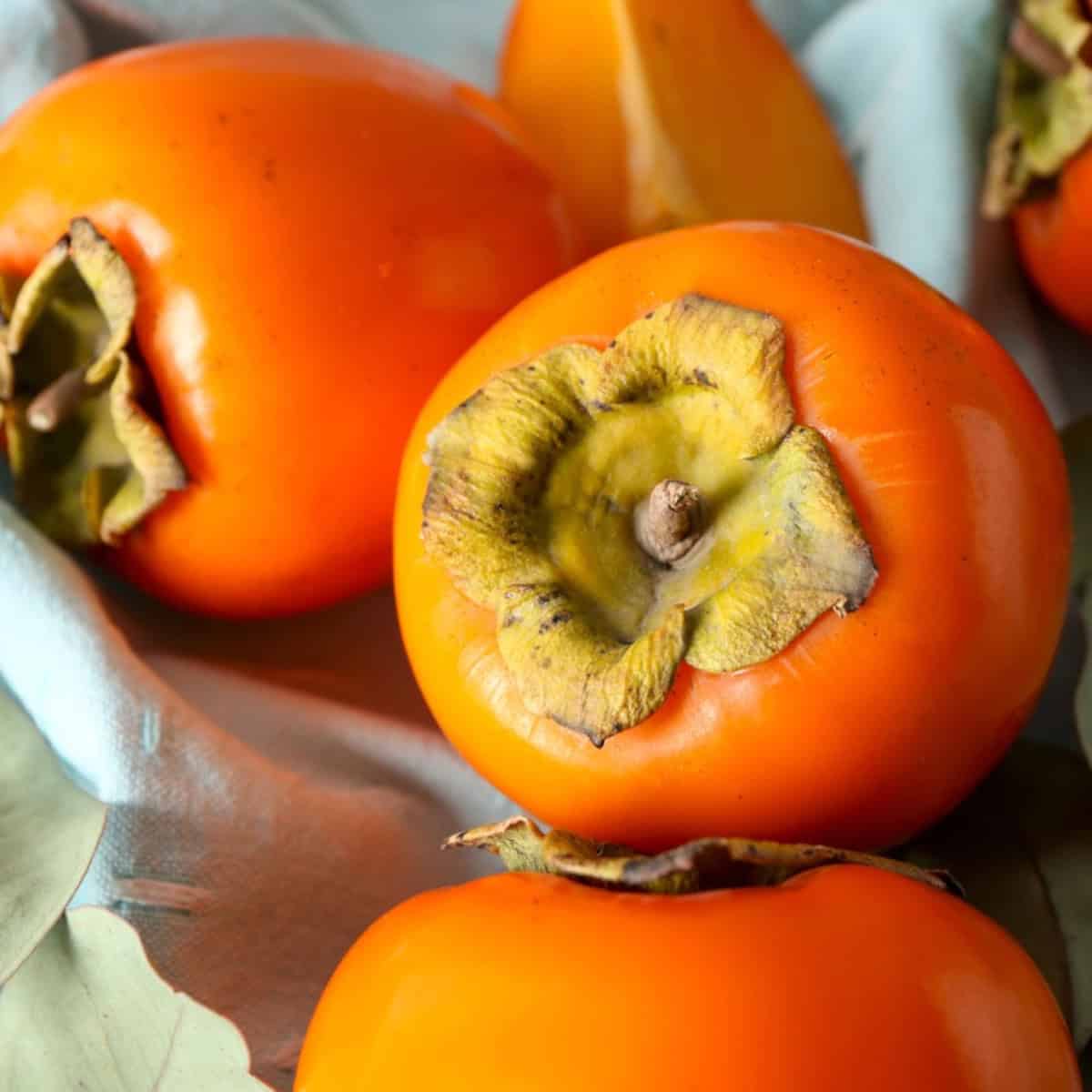
Certain varieties of persimmons, such as Fuyu and Hachiya, are available in winter. Fuyu persimmons can be eaten while still firm, while Hachiya persimmons are best when fully ripe and soft. They're also delicious for simple, healthy snacking. Fuyu slices are great in salads; ultra-ripe Hachiya purée is perfect for quick breads and puddings. Look for deep color and unblemished skin.

"I absolutely adore persimmons this time of year. They're one of the few fruits that will satisfy as a dessert by itself, and nothing beats their candy-like taste when ripe. I often buy them in bulk and make a simple jam to spread on toast or dollop into oatmeal. Just one of these little gems can contain up to 6g of fiber too."
- Gina Matsoukas, Running to the Kitchen
It's important to note that the availability of these fruits can vary depending on the specific region and the local climate conditions. Additionally, advancements in agriculture and transportation may make some fruits available year-round, although they might be at their peak freshness and flavor during the winter season. When in doubt, buy what's seasonal and local, store it properly, and plan a few easy recipes-your winter fruit will taste its best and last longer.
Final thought
Winter fruits remind us that even in the coldest months, nature provides plenty of color and flavor. From bright citrus to sweet pears and jewel-like pomegranates, these seasonal picks add freshness and nutrition to your meals. So next time you're at the market, reach for what's local and in season, your winter fruits will taste better, last longer, and bring a little sunshine to every bite.



Leave a Reply