
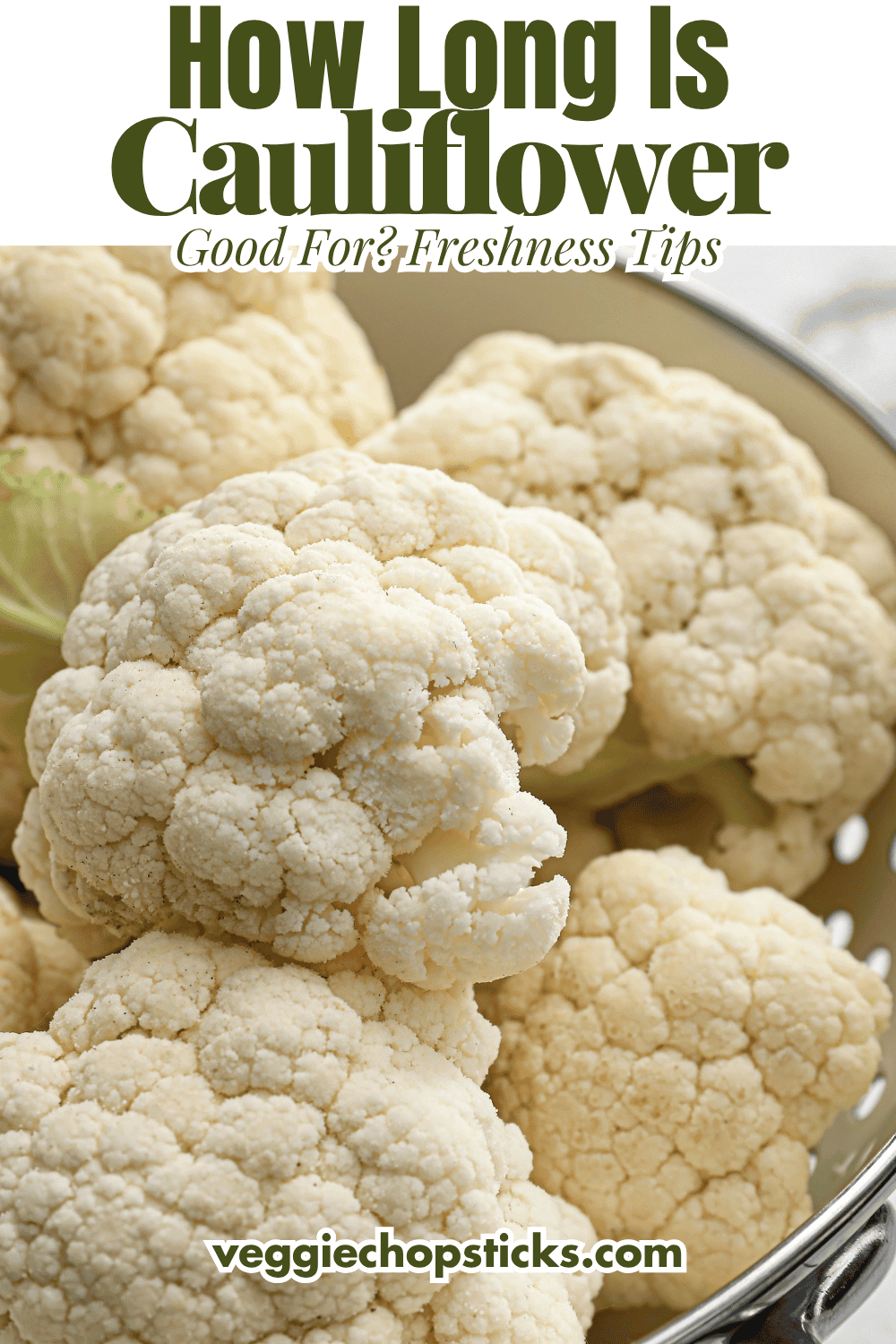
If you've ever opened the refrigerator, spotted a forgotten head of cauliflower in the vegetable drawer, and wondered whether it's still good, you're definitely not alone.
Cauliflower can look perfectly fine one day and develop brown spots or a less-than-fresh smell seemingly overnight. Knowing what to look for makes it much easier to use this versatile vegetable while it's at its best.
Jump To
- How Long Can Cauliflower Last in the Fridge?
- How Long Is Cauliflower Good For in the Fridge Once Cooked?
- How to Tell If Cauliflower Has Gone Bad
- How to Keep Cauliflower Fresh Longer
- How Long Does Cauliflower Last Outside the Fridge?
- How to Keep Cauliflower Fresh Without a Fridge
- How Long Is Cauliflower Good For Cooking?
- How Long Does Cauliflower Take to Cook?
- Practical Tips for Keeping Cauliflower Fresh
- Ways to Use Cauliflower Before It Goes Bad
- Final Thoughts
- FAQs
- You May Also Like
So, how long is cauliflower good for? A fresh whole head of cauliflower generally keeps for about 4 to 7 days in the refrigerator, although a very fresh head, stored properly, can sometimes last a little longer. Cut cauliflower has a shorter storage life, while cooked cauliflower is best eaten within about 3 to 4 days.
The exact timeline depends on how fresh the cauliflower was when you bought it and how you store it. Here's how to tell whether cauliflower is fresh, how to store it properly, and when it's time to let it go.
How Long Can Cauliflower Last in the Fridge?
Fresh cauliflower likes a cool environment with enough airflow to prevent excess moisture from collecting around the florets. When stored properly in the refrigerator, a whole head usually stays fresh for 4 to 7 days.
Sometimes it can last a little beyond a week, especially if it was very fresh when purchased. Instead of relying only on the date you bought it, check its appearance, texture, and smell before cooking.
Cut cauliflower generally doesn't keep quite as long. Once you slice into the head, the exposed surfaces begin losing quality faster. For the best texture and flavor, try to use cut florets within about 3 to 4 days.
If you're wondering, can we keep cauliflower in the fridge for 1 week? Yes, often you can. Keep the head whole until you need it, avoid washing it before storage, and check it carefully before using it.
How Long Is Cauliflower Good For in the Fridge Once Cooked?
Cooked cauliflower has a shorter shelf life in the refrigerator than a fresh whole head. In general, cooked cauliflower should be refrigerated promptly in a covered, airtight container and eaten within 3 to 4 days.
Allowing cooked cauliflower to sit in excess moisture can quickly affect its texture. Roasted cauliflower, in particular, is much nicer when stored without sauces or dressings whenever possible, as it reheats with better texture.
Before eating leftover cooked cauliflower, look for obvious mold, an unpleasant odor, or a slimy texture. When you're uncertain about how long leftovers have been sitting in the refrigerator, it's safer to discard them.
How to Tell If Cauliflower Has Gone Bad
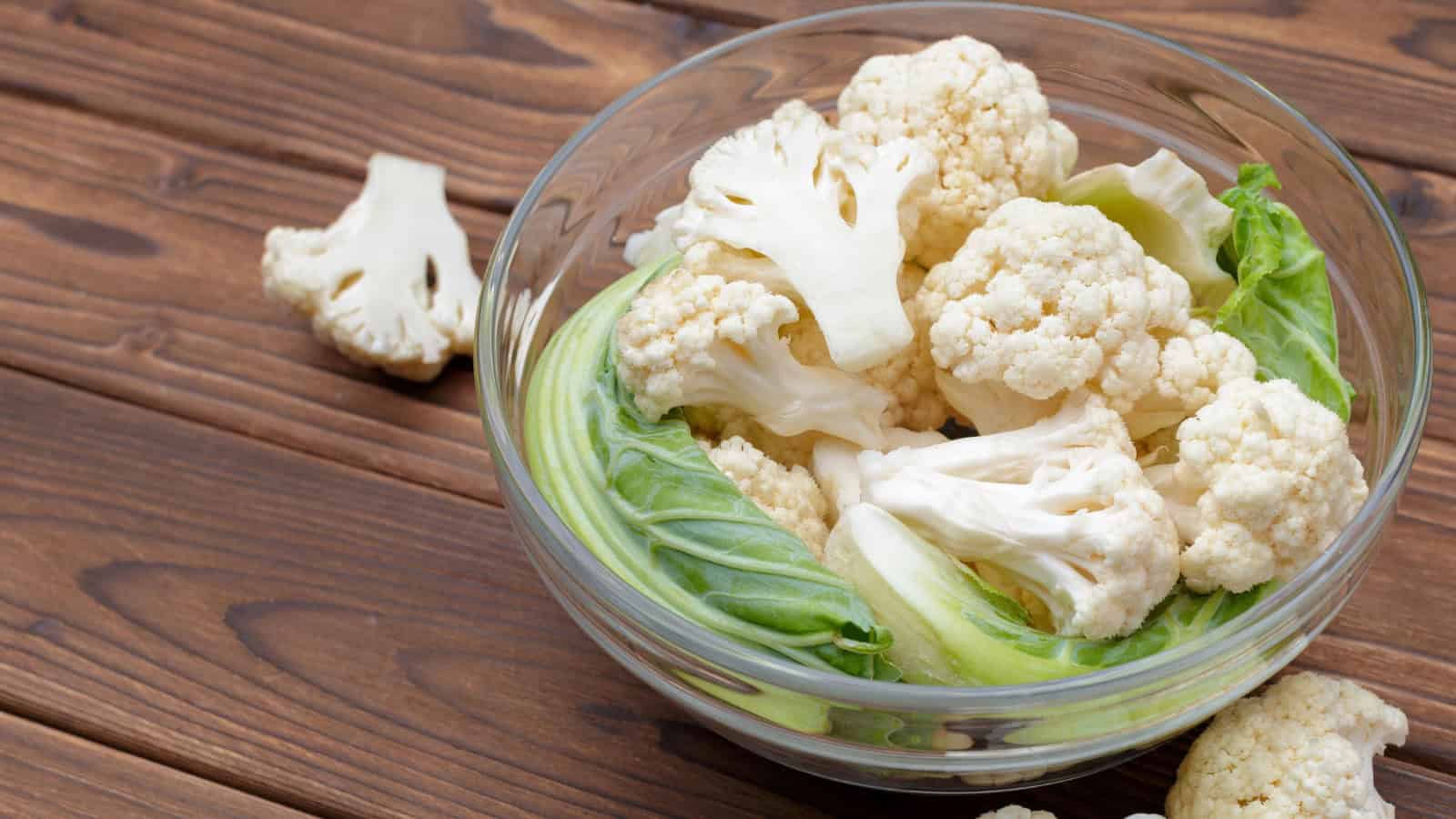
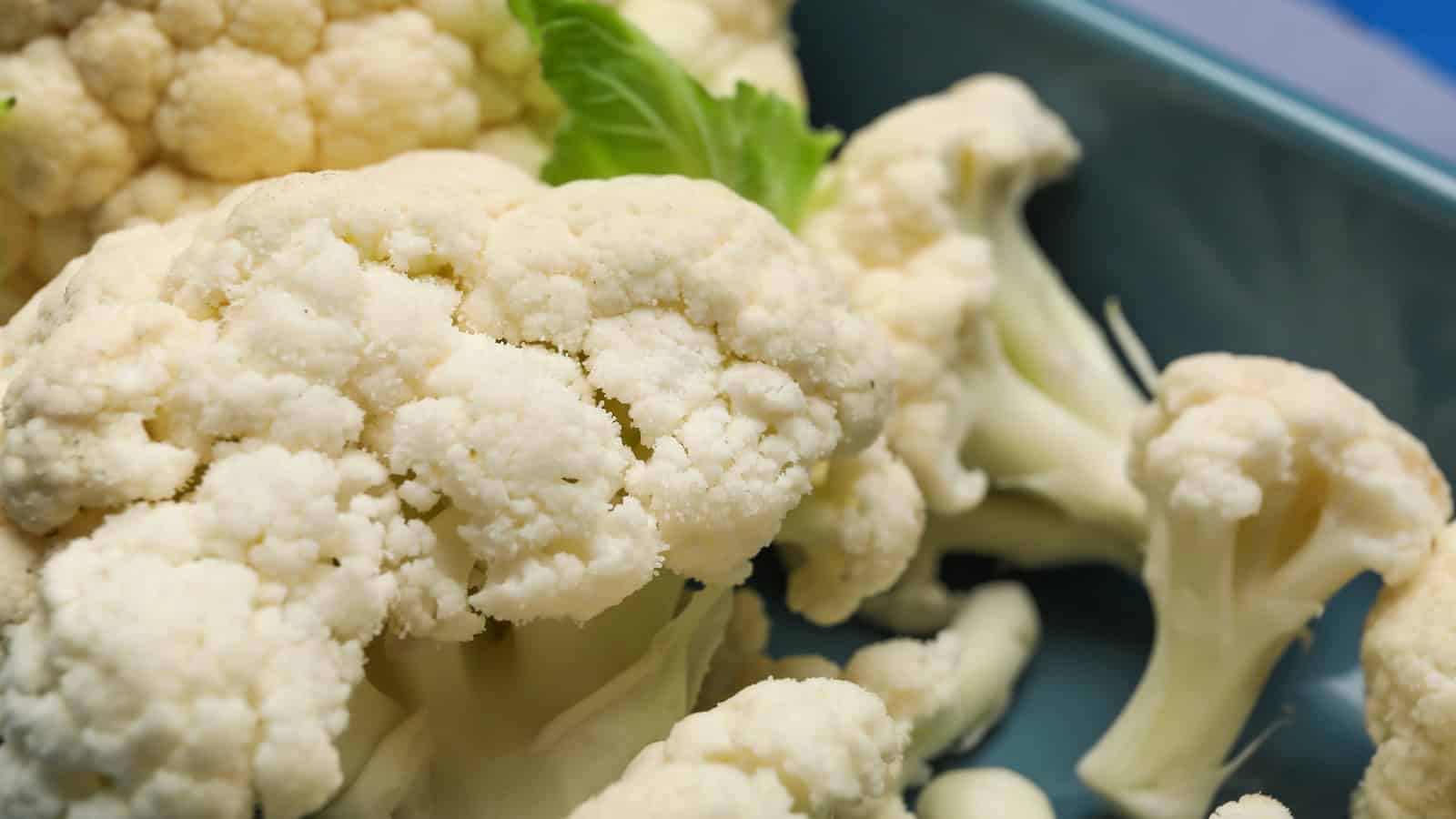
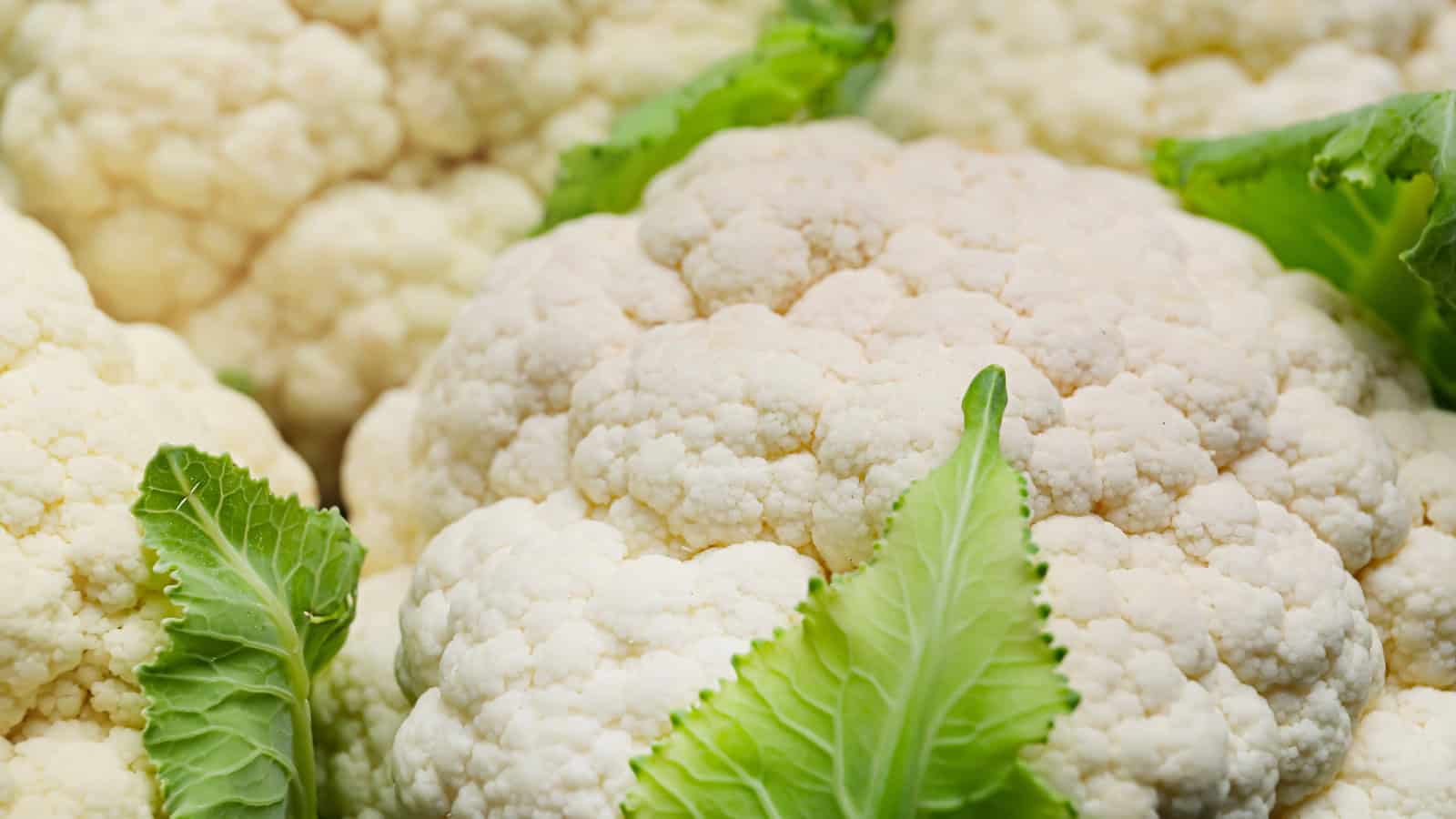
Fresh cauliflower should feel firm and dense, with tightly packed florets. White varieties are usually creamy white to pale ivory, although a few small light-brown spots can develop as cauliflower ages.
A couple of minor surface spots don't necessarily mean the entire head needs to be thrown away. If the cauliflower is still firm and smells fresh, you can often trim away a small discolored area before cooking.
More significant changes are another story. Soft or mushy florets, a slimy surface, widespread dark discoloration, visible fuzzy mold, or a strong unpleasant smell are good reasons to discard the cauliflower.
The leaves can offer another clue. Fresh green leaves around the head are a good sign, while severely wilted or deteriorating leaves usually indicate that the cauliflower has been stored for a while.
How to Keep Cauliflower Fresh Longer
The easiest way to extend cauliflower's freshness is to keep the head whole and unwashed until you're ready to use it. Moisture trapped between tightly packed florets can encourage deterioration, so washing cauliflower before storing it can work against you.
Keep the cauliflower in your refrigerator's crisper drawer in packaging that allows a little airflow rather than trapping condensation against the vegetable. If moisture develops inside the bag, a dry paper towel can help absorb some of it.
Once you cut the cauliflower into florets, transfer them to a covered container and refrigerate them. Try to cut only as much as you need, when possible, since an intact head generally keeps better than pre-cut florets.
How Long Does Cauliflower Last Outside the Fridge?
Cauliflower is best kept refrigerated rather than stored at room temperature for an extended period. If you bring a head home from the grocery store, putting it in the refrigerator soon afterward will help preserve its crisp texture.
For food safety, cooked and cut cauliflower shouldn't be left at room temperature for more than about 2 hours, or for about 1 hour when the temperature is above 90°F (32°C).
A whole, uncut cauliflower is less immediately perishable than cooked leftovers, but room-temperature storage will still cause it to lose quality much faster than refrigeration. If your kitchen is warm, the florets may begin to soften or discolor fairly quickly.
How to Keep Cauliflower Fresh Without a Fridge
If refrigeration isn't available temporarily, keep a whole head of cauliflower in the coolest, darkest, driest place you have. Leave it unwashed and protect it from direct sunlight and heat.
This is best treated as short-term storage rather than a substitute for refrigeration. Unlike vegetables traditionally suited to pantry or cellar storage, cauliflower contains a high moisture content and deteriorates relatively quickly.
If you have more cauliflower than you can use while it's fresh, freezing is a much better long-term solution. For the best quality, briefly blanch the cauliflower florets, cool them in ice water, drain and dry them thoroughly, then freeze them in freezer-safe containers or bags.
How Long Is Cauliflower Good For Cooking?
Cauliflower that has softened slightly but is otherwise free from mold, slime, or unpleasant odors may still be perfectly useful for cooking. It may not have the wonderful crunch you want for a raw vegetable platter, but cooking gives you more flexibility.
Older but still-good cauliflower works especially well in blended cauliflower soup, vegetable curry, mashed cauliflower, stir-fries, casseroles, and other dishes where a perfectly crisp raw texture isn't important.
This is one of my favorite ways to reduce kitchen waste. You don't need to throw away a vegetable just because it's no longer picture-perfect. The important distinction is between cauliflower that has simply lost some quality and cauliflower showing genuine signs of spoilage.
How Long Does Cauliflower Take to Cook?
Cooking time depends on both the method and the size of your cauliflower pieces. Small florets cook much faster than a whole head.
Steaming or boiling florets usually takes roughly 5 to 10 minutes, depending on how tender you like them. Roasting takes longer, often around 20 to 30 minutes at 425°F, and produces those delicious caramelized edges that make cauliflower especially flavorful.
For stir-frying, smaller florets can become crisp-tender in several minutes, although adding a splash of water and briefly covering the pan can help thicker pieces cook through.
Whatever method you choose, avoid cooking cauliflower until it turns completely mushy unless you're intentionally making a puree or soup. Cauliflower tastes especially good when it retains a little texture.
Practical Tips for Keeping Cauliflower Fresh
Buying good cauliflower in the first place gives you a head start. Look for a firm, compact head with tightly clustered florets. For white cauliflower, creamy white florets with minimal discoloration are ideal, and the surrounding leaves should look relatively crisp and fresh.
Avoid washing the whole head as soon as you get home. Instead, wash the portion you plan to cook just before preparing it. If you do wash cauliflower ahead of time, dry it thoroughly before refrigerating.
And don't forget about the freezer. When you know you won't finish a head in time, freezing it before its quality starts declining is much better than discovering a forgotten, spoiled cauliflower at the back of the refrigerator a week later.
Ways to Use Cauliflower Before It Goes Bad
When cauliflower is approaching the end of its best-quality window, cooking it is an easy way to use it. Roast the florets until golden and slightly crisp, toss them into a vegetable stir-fry, simmer them in curry, or blend them into a creamy soup.
Cauliflower also absorbs sauces and seasonings beautifully, making it a useful vegetable for plant-based meals. Garlic, ginger, soy sauce, curry spices, sesame oil, chili sauce, and fresh herbs can all transform a simple head of cauliflower into something you genuinely look forward to eating.
If you have only a small amount left, add it to fried rice, noodles, vegetable soup, or a mixed roasted-vegetable tray instead of waiting until you have enough cauliflower to make a dedicated dish.
Final Thoughts
So, how long is cauliflower good for? As a practical rule, plan to use a fresh whole cauliflower within about 4 to 7 days when refrigerated, and eat cooked cauliflower within 3 to 4 days.
Those timelines are helpful guides, but your senses matter too. Firm florets and a fresh, mild smell are encouraging signs, while slime, mold, mushiness, or a distinctly unpleasant odor mean the cauliflower should be discarded.
A little thoughtful storage can make a surprising difference. Keep cauliflower cold, keep excess moisture away, and leave the head whole until you need it. Also, if you realize you won't get to it soon enough, freeze it or turn it into tonight's dinner rather than letting a perfectly useful vegetable disappear into the back of the crisper drawer.
FAQs
It can occasionally remain usable that long under excellent storage conditions, but 2 weeks is beyond the typical best-quality window for fresh cauliflower. Check it carefully for softness, slime, mold, significant discoloration, and unpleasant odors rather than assuming it is good based only on the number of days.
Yes. Cauliflower freezes well, particularly if you blanch the florets first. Blanching helps preserve color and texture during frozen storage. Cool the blanched florets quickly in ice water, dry them thoroughly, and then freeze them in freezer-safe packaging.
It's usually better to wait to wash cauliflower until you're ready to prepare it. Extra moisture caught between the florets can encourage faster deterioration. If you've already washed the cauliflower, dry it thoroughly before putting it back in the refrigerator.


Leave a Reply