
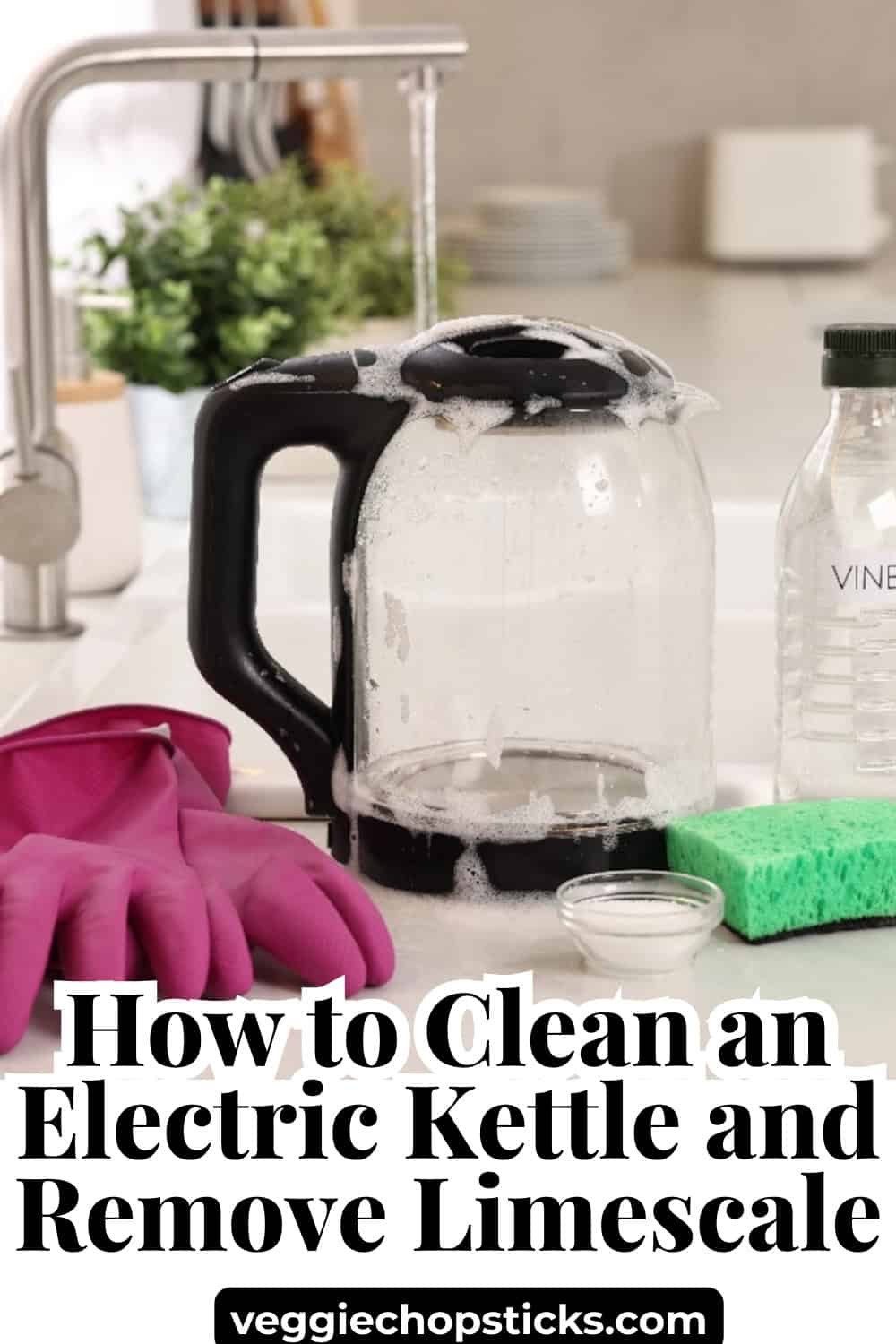
Your electric kettle faithfully boils water for your morning tea, afternoon coffee, instant oatmeal, and everything in between. But if you've ever looked inside and noticed a chalky white ring or flaky deposits clinging to the bottom, you're not alone. That stubborn residue isn't dirt; it's mineral buildup caused by hard water.
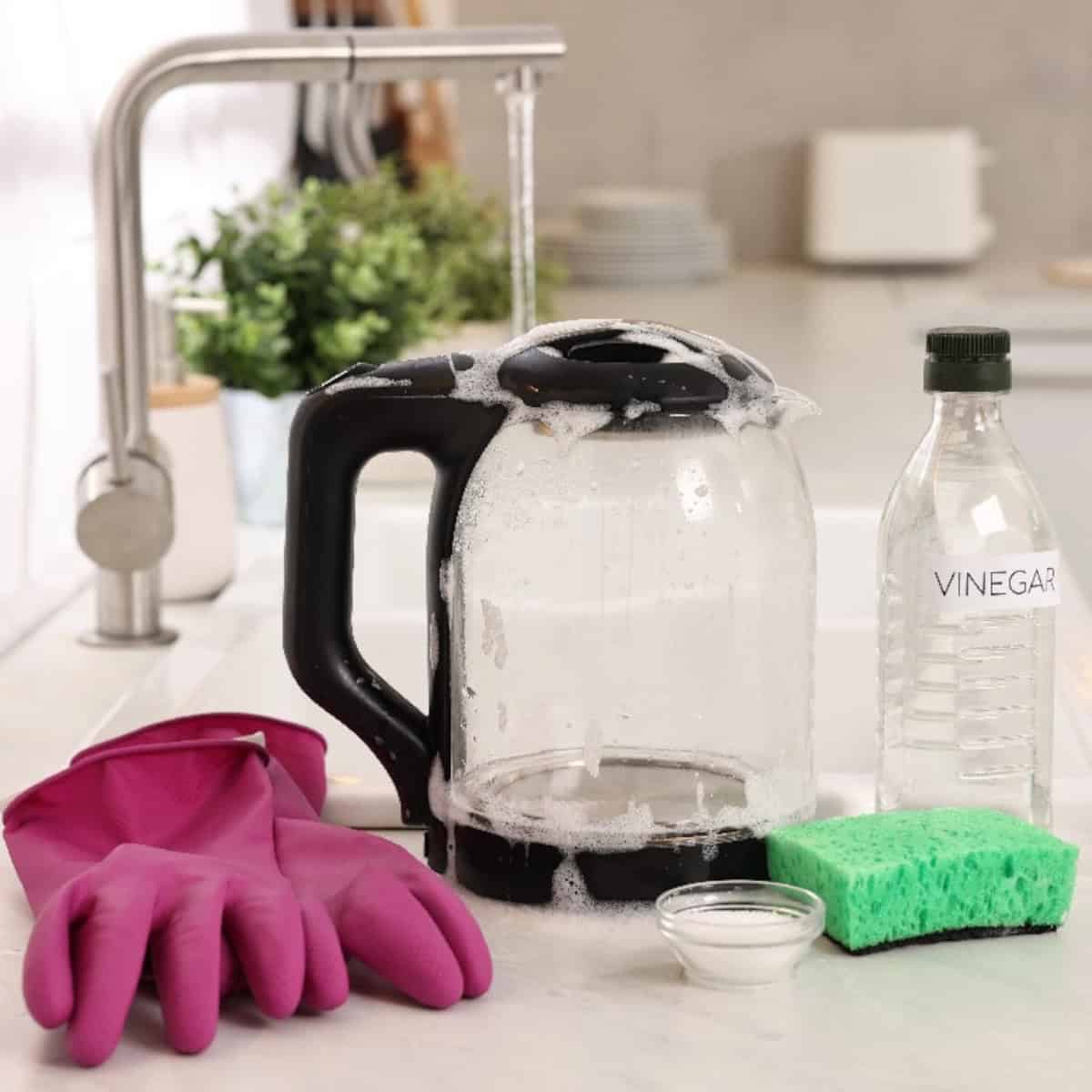
Jump To
- Why Does an Electric Kettle Get White Buildup?
- What You'll Need to Clean an Electric Kettle
- How to Clean an Electric Kettle with Vinegar
- How to Descale an Electric Kettle Using Citric Acid
- How to Clean a Kettle with Lemon
- How to Clean Inside a Kettle with Heavy Limescale
- How Often Should You Clean an Electric Kettle?
- How to Clean an Electric Kettle with Baking Soda
- How to Clean the Outside of an Electric Kettle
- How to Clean an Electric Kettle After Boiling Milk
- Can You Wash an Electric Kettle with Water?
- How to Clean a New Electric Kettle Before First Use
- Common Mistakes to Avoid When Cleaning an Electric Kettle
- Pro Tips for Keeping Your Electric Kettle Clean Longer
- Final Thoughts
- FAQ
- You May Also Like
The good news is that learning how to clean an electric kettle is much easier than most people think. In fact, you probably already have everything you need in your kitchen. Whether you prefer using citric acid, vinegar, or even a fresh lemon, a few simple steps can leave your kettle sparkling clean and ready for your next cup.
Regular cleaning not only helps your kettle look better but also improves its efficiency. Mineral deposits make it take longer to boil water and may even shorten the lifespan of your appliance. Fortunately, descaling only takes about 15 to 20 minutes and doesn't require harsh chemicals.
In this guide, I'll show you exactly how to clean a kettle, how to descale an electric kettle, and which cleaning method works best depending on the amount of mineral buildup. I'll also answer common questions like whether you can wash an electric kettle with water, how to clean the outside, and what to do if you accidentally boil milk inside your kettle.
Why Does an Electric Kettle Get White Buildup?
If you've noticed white spots or crusty deposits inside your electric kettle, you're seeing minerals left behind after the water evaporates. This is especially common if you live in an area with hard water.
Hard water contains dissolved minerals like calcium and magnesium. Every time your kettle heats water to a boil, a tiny amount of these minerals stays behind. Over weeks or months, this mineral buildup gradually forms a layer known as limescale.
Although limescale isn't harmful to your health, it can:
- Slow down boiling time
- Reduce heating efficiency
- Affect the taste of tea or coffee
- Cause your kettle to work harder
- Shorten the appliance's lifespan
That's why it's important to descale your kettle regularly before the buildup becomes thick and stubborn.
What You'll Need to Clean an Electric Kettle
One of the best things about this job is that you don't need expensive cleaners. Most households already have everything required.
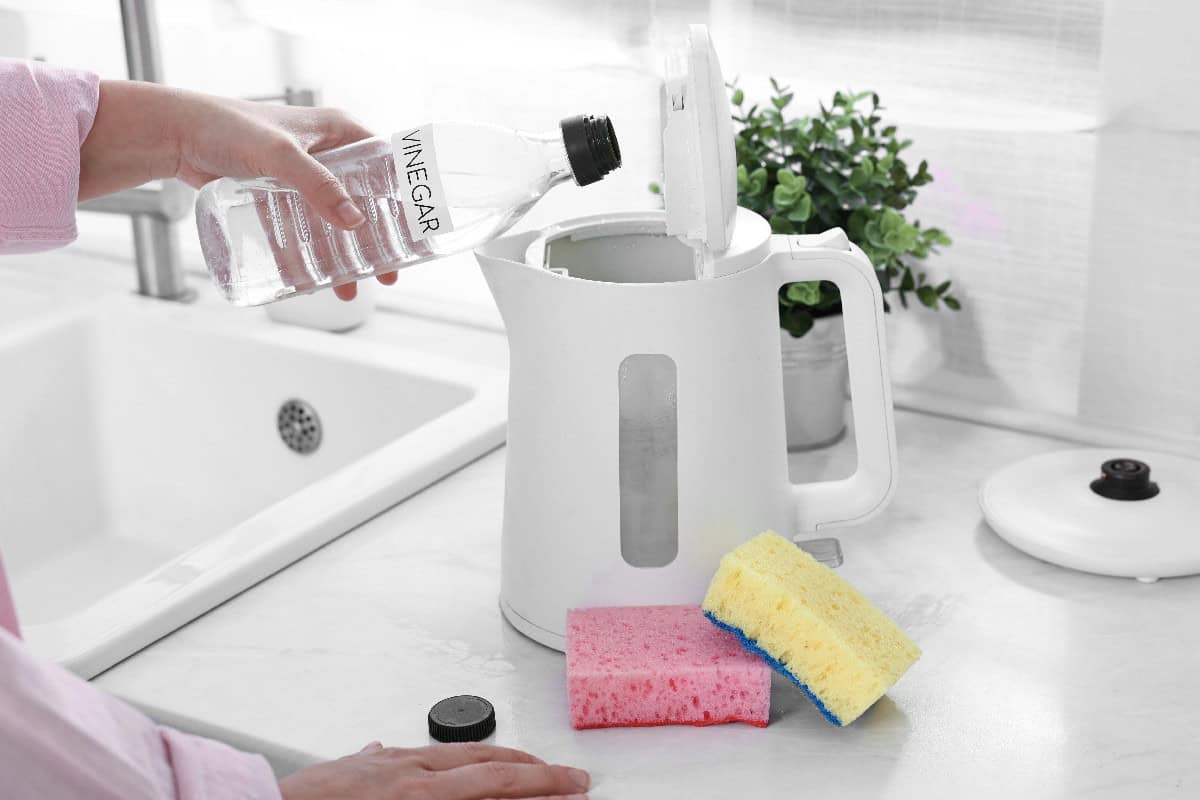
White vinegar
A classic cleaning solution that naturally dissolves mineral deposits and limescale.
Citric acid
Many people prefer citric acid because it removes buildup effectively without leaving behind a vinegar smell. It's food-safe and works especially well for regular maintenance.
Fresh lemon (optional)
If you prefer a fresh citrus scent, lemon juice contains natural citric acid and can help loosen light mineral deposits.
Dish soap
A little dish soap is perfect for cleaning the outside of the kettle after you've finished descaling the inside.
Soft sponge or microfiber cloth
Avoid abrasive scrubbers that could scratch the surface.
Clean water
Fresh water is needed for rinsing away any remaining cleaning solution before using the kettle again.
How to Clean an Electric Kettle with Vinegar
One of the most popular methods is using white vinegar, and for some good reasons. It's inexpensive, effective, and works well on moderate limescale.
Step 1: Mix the cleaning solution
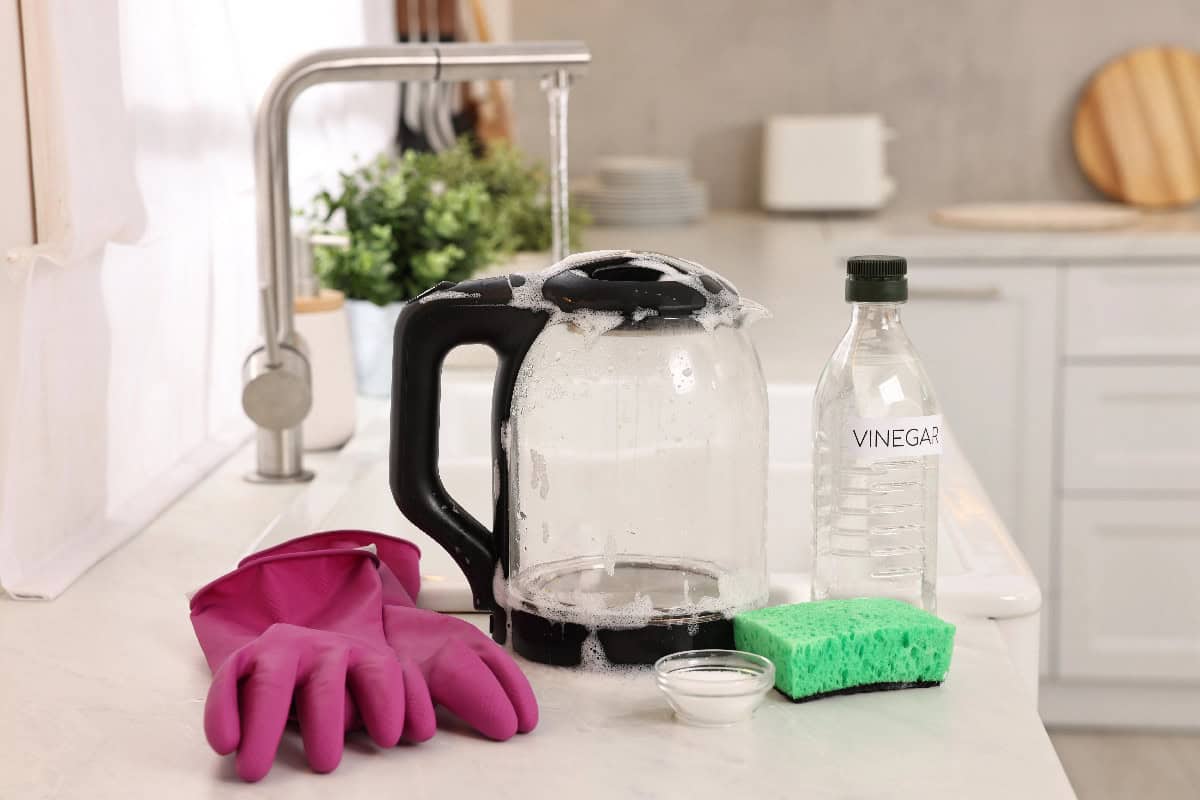
Fill the kettle halfway with equal parts white vinegar and fresh water.
Step 2: Bring it to a boil
Turn on the electric kettle and allow the mixture to boil completely.
Step 3: Let it soak
After boiling, unplug the kettle and let the solution sit for about 20 to 30 minutes. This gives the vinegar time to break down stubborn mineral deposits.
Step 4: Empty and rinse
Pour out the solution carefully, then rinse the inside several times with fresh water.
Step 5: Boil clean water
Fill the kettle with plain water and boil it once or twice before using it again. This removes any lingering vinegar taste or smell.
This simple process answers one of the most common questions people search for: how to clean a kettle with vinegar.
How to Descale an Electric Kettle Using Citric Acid
If you don't enjoy the smell of vinegar, citric acid is an excellent alternative.
Many manufacturers even recommend citric acid because it's gentle on heating elements while still removing scale effectively.
Step 1: Prepare the solution
Dissolve one to two tablespoons of citric acid powder in about half a kettle of water.
Step 2: Boil the mixture
Bring the solution to a full boil.
Step 3: Let it sit
Let the hot solution remain in the kettle for around 20 minutes.
Step 4: Rinse thoroughly
Empty the kettle and rinse several times with clean water.
Step 5: Boil fresh water
Run one additional cycle using plain water before making tea or coffee.
Many people find this method leaves the kettle cleaner with almost no lingering odor.
How to Clean a Kettle with Lemon
If your kettle only has light mineral deposits, a fresh lemon can do the trick.
Squeeze the fresh lemon juice from one lemon into the kettle, or add the lemon slices along with water.
The natural acids help dissolve light limescale while leaving your kitchen smelling wonderfully fresh.
This method works best for routine maintenance rather than heavy buildup, but it's a great natural option if you don't have vinegar or citric acid on hand.
How to Clean Inside a Kettle with Heavy Limescale
Sometimes regular descaling isn't enough, especially if limescale buildup has accumulated inside your kettle over time.
If thick mineral deposits remain after one cleaning cycle, simply repeat the process instead of trying to scrape them off.
Avoid using metal utensils or abrasive pads inside the kettle, as they can damage the stainless steel or protective coating.
For severe scale, citric acid often works faster than vinegar because it dissolves calcium deposits more efficiently while being gentler on many kettle interiors.
After a second cleaning cycle, most kettles look almost like new.
How Often Should You Clean an Electric Kettle?
The answer depends largely on your local water supply.
If your home has hard water, plan to descale your kettle every month.
For softer water, cleaning every two to three months is usually enough.
If you use your kettle several times a day for tea, coffee, or cooking, you'll likely need more frequent maintenance.
A quick look inside the kettle every few weeks is usually enough to tell whether it's time for another cleaning.
How to Clean an Electric Kettle with Baking Soda
If you're wondering how to clean an electric kettle with baking soda, it's important to know that baking soda works differently than vinegar or citric acid. While it isn't the best choice for removing heavy mineral scale, it does a great job of tackling odors and light stains.
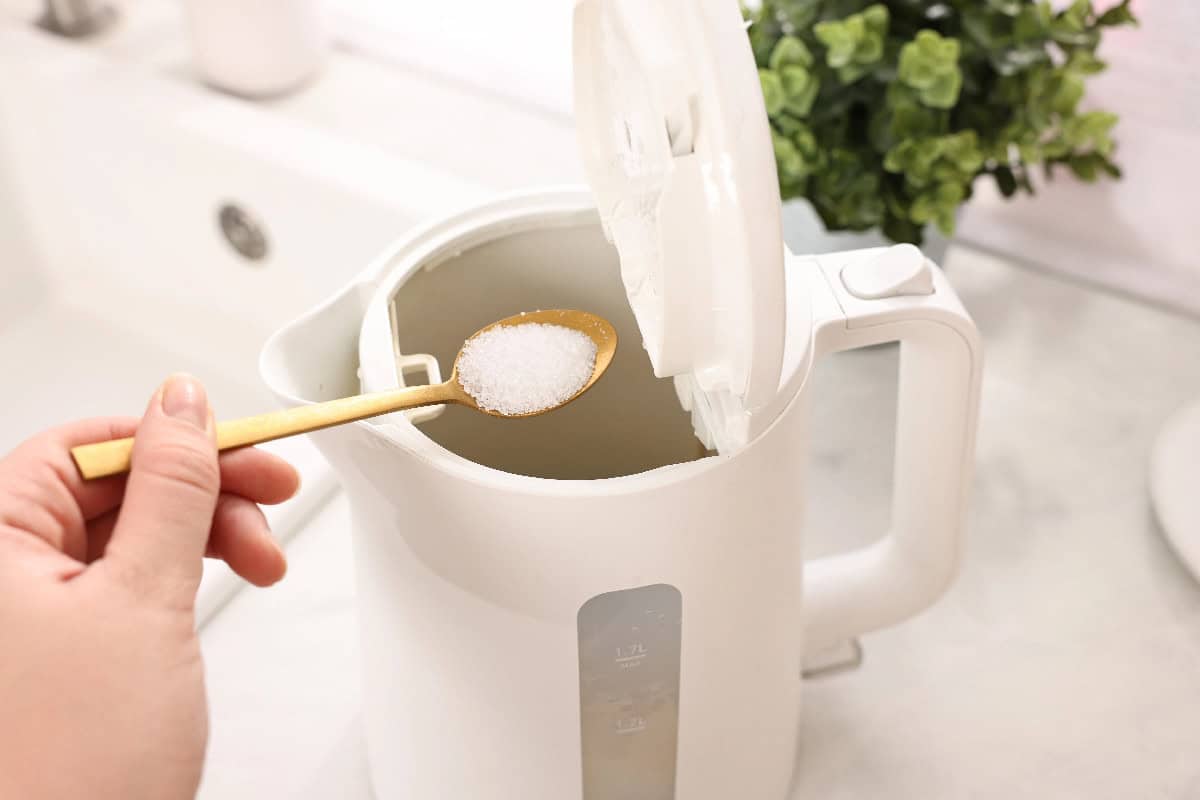
Fill the kettle with warm water and add one to two teaspoons of baking soda. Bring the mixture to a gentle boil, then let it cool for about 15 minutes. Pour out the solution and rinse thoroughly with fresh water.
If you're dealing with stubborn limescale, follow up with a citric acid or vinegar treatment. The mild abrasiveness of baking soda can also help loosen residue around the spout, but avoid scrubbing the heating element with anything abrasive.
How to Clean the Outside of an Electric Kettle
While most people focus on the inside, the exterior deserves a little attention too. Fingerprints, grease, and splashes from everyday cooking can leave your electric kettle looking dull.
Unplug the kettle and allow it to cool completely before cleaning. Dampen a soft microfiber cloth with warm water and a few drops of dish soap, then gently wipe the entire surface. For stubborn grease, let the soapy cloth sit on the spot for a minute before wiping again.
If you have a stainless steel kettle, finish by buffing it dry with a clean towel to restore its shine.
Never immerse the entire kettle in water or place it in the dishwasher. Since it contains electrical components, only the removable lid or filter, if your model has one, should be washed separately according to the manufacturer's instructions.
How to Clean an Electric Kettle After Boiling Milk
Accidentally boiling milk in an electric kettle is surprisingly common, especially when making hot chocolate, instant cereal, or baby formula. Unfortunately, milk leaves behind proteins and fats that stick to the heating surface much more than plain water.
Start by emptying the kettle and rinsing it with warm water. Fill it with fresh water and add a small amount of dish soap. Let the solution sit for several minutes before gently wiping away any residue with a soft sponge.
If a faint smell remains, boil a mixture of water and citric acid or lemon juice, then rinse well. Avoid using bleach or harsh household cleaners since they can leave behind residues that aren't suitable for appliances used with food and drinks.
Can You Wash an Electric Kettle with Water?
A common question is whether you can wash an electric kettle with water.
Yes, but only the inside.
The interior of the kettle is designed to hold water, so rinsing it after cleaning is perfectly safe. However, the outside houses the electrical components, so it should never be submerged in water or placed under a running faucet.
Instead, wipe the exterior with a damp cloth and dry it immediately. Keeping moisture away from the power base helps protect the appliance and extends its lifespan.
How to Clean a New Electric Kettle Before First Use
If you've just purchased a new kettle, it's a good idea to clean it before making your first cup of tea or coffee.
Fill the kettle with fresh water and bring it to a full boil. Discard the water and repeat the process once or twice. This helps remove any manufacturing dust or harmless residues from packaging.
For extra freshness, some people boil a solution made with a little citric acid or lemon juice before giving the kettle one final rinse with clean water.
After that, your kettle is ready for everyday use.
Common Mistakes to Avoid When Cleaning an Electric Kettle
Cleaning an electric kettle is simple, but a few mistakes can damage the appliance or make the process less effective.
One of the biggest mistakes is using steel wool or abrasive scrubbers. These can scratch stainless steel interiors and protective coatings, making future buildup even easier.
Another mistake is forgetting to rinse after using vinegar or citric acid. Boiling one final batch of clean water removes any lingering taste before you make tea or coffee.
It's also tempting to chip away at thick mineral deposits with a knife or metal utensil, but this can damage the heating plate. Instead, repeat the descaling process and let the solution do the work.
Finally, don't wait until the kettle is heavily coated with scale. Regular maintenance is much easier than removing months of accumulated minerals.
Pro Tips for Keeping Your Electric Kettle Clean Longer
A little routine care goes a long way. Empty any leftover water after each use instead of letting it sit in the kettle overnight. Fresh water leaves behind fewer mineral deposits than repeatedly reheating old water.
If your tap water is especially hard, consider using filtered water. You'll notice less mineral buildup, your kettle will stay cleaner between descaling sessions, and your tea and coffee may even taste better.
Checking inside the kettle once every few weeks also helps you catch limescale early, making each cleaning session much quicker.
Final Thoughts
Learning how to clean an electric kettle doesn't require expensive products or complicated techniques. Whether you choose vinegar, citric acid, or a fresh lemon, regular descaling keeps your kettle working efficiently and helps every cup of tea or coffee taste its best.
For heavy mineral buildup, citric acid is my favorite option because it's effective, food-safe, and doesn't leave behind the lingering smell that vinegar sometimes does. If your kettle only needs a light refresh, lemon works beautifully, while baking soda is handy for tackling odors and light stains.
Making kettle maintenance part of your regular kitchen routine only takes a few minutes, but it can add years to the life of your appliance and ensure you're always boiling fresh, clean water.
FAQ
The easiest natural methods use citric acid, white vinegar, or lemon. All three dissolve mineral deposits without harsh chemicals, making them safe for appliances used to prepare drinks and food.
Both work well, but citric acid often removes limescale more quickly and doesn't leave behind the strong smell associated with vinegar. It's an excellent choice for routine descaling.
Absolutely. If you're looking for how to clean an electric kettle without vinegar, use a citric acid solution or fresh lemon instead. Both are effective natural alternatives.
Most households should descale their electric kettle every one to three months. If you have hard water or use the kettle daily, monthly cleaning helps prevent heavy mineral buildup.
Baking soda is useful for removing odors and light stains, but it isn't as effective at dissolving limescale as vinegar or citric acid. For heavy mineral deposits, choose one of those acidic cleaning solutions instead.
A small amount of dish soap can be used when cleaning residue left from accidentally boiling milk, but it isn't recommended for routine descaling. Always rinse thoroughly before using the kettle again.



Leave a Reply