

Enjoying the vibrant flavor of ripe peppers is one of the most enjoyable aspects of summer. Freezing peppers is an efficient way to preserve their fresh taste and texture. It also saves prep time on busy nights-prepped peppers go straight from freezer to pan.
This guide will cover everything you need to know to properly freeze peppers, allowing you to enjoy them throughout the year.
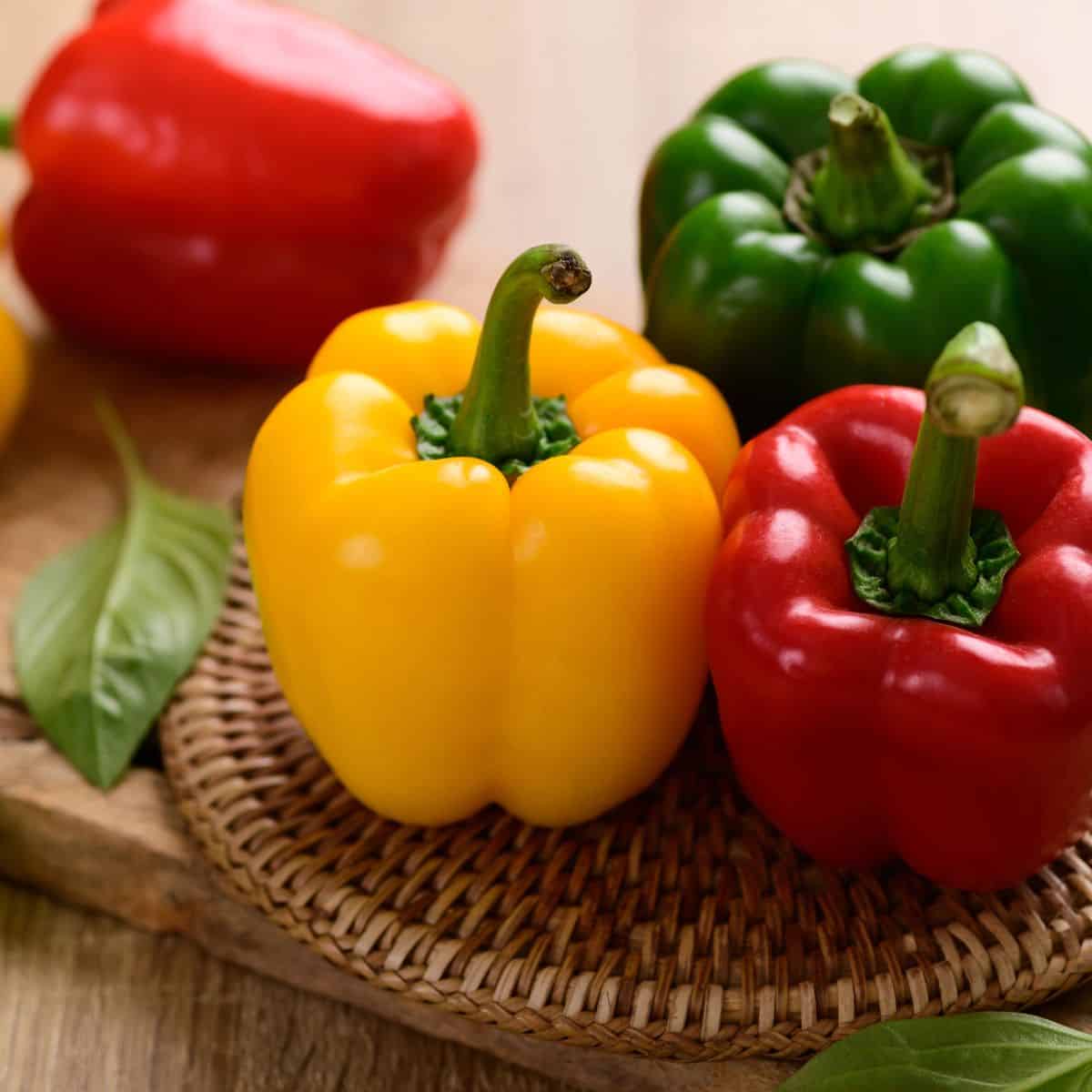
Freezing peppers
Freezing peppers is a relatively easy, quick, and straightforward process. With a few smart steps-thorough drying, flash-freezing, and airtight storage-you'll keep peppers tasting bright and avoid clumping. Follow these steps for the best results, and you'll have a stash of peppers ready for any recipe.
Method 1: Freezing peppers whole or in pieces
This method is the most popular and allows you to freeze peppers either whole or cut into pieces, depending on how you plan to use them later.
- Step 1: Start by washing and thoroughly drying the peppers. Moisture invites ice crystals, so pat very dry (inside and out).
- Step 2: Remove the stems, seeds, and inner membranes if desired. You can freeze them whole or slice them into strips, rings, or pieces. For even cooking later, aim for uniform ½-¾-inch pieces; leave jalapeños/serranos whole for stuffing.
- Step 3: Spread the pepper pieces on a baking sheet in a single layer and freeze until solid. This prevents them from clumping together. Line the pan with parchment and don't crowd-airflow speeds "flash-freezing."
- Step 4: Once frozen, transfer the peppers to freezer-safe bags or containers. Remove as much air as possible before sealing to prevent freezer burn. Flatten bags, label them with the pepper type and date, and store at 0°F (-18°C) for optimal quality, up to 10-12 months.
Method 2: Freezing cooked peppers
If you prefer to have pre-cooked peppers ready to go, this method involves cooking them before freezing.
- Step 1: Cook the peppers by sautéing or roasting them until they reach your desired level of doneness. This will take 5-10 minutes for sautéed peppers. Roasted vegetables take about 30 minutes. Roasting concentrates sweetness; sautéing keeps the texture a bit firmer.
- Step 2: Allow the cooked peppers to cool completely. Cooling prevents steam from trapping moisture in the bag.
- Step 3: Transfer the cooled peppers to freezer-safe plastic or reusable silicone bags. Portion into 1-2 cup packs for easy meal use. Remove excess air from the bags, seal them tightly, and freeze them. Silicone trays or muffin tins make convenient single-serve "pepper pucks."
Method 3: Blanching peppers
While blanching is a common practice for preserving certain vegetables before freezing, it is not frequently done with peppers. Most people prefer to freeze peppers raw because they retain their texture, flavor, and nutritional value quite well without the need for blanching.
That said, blanching can help set the color of green bell peppers and inactivate some enzymes that cause quality loss during long-term storage. However, blanching is still an option for those who wish to take an extra step to retain color in their peppers.
If you decide to blanch your peppers before freezing, follow these instructions:
- Step 1: Start by preparing an ice bath. Fill a large bowl with cold water and plenty of ice cubes.
- Step 2: Bring a large pot of water to a rolling boil. Meanwhile, wash the peppers thoroughly and remove the stems, seeds, and inner membranes. Cut the peppers into slices, ring,s or pieces, depending on how you plan to use them later.
- Step 3: Place the pepper pieces into the boiling water. Blanch the peppers for about two to three minutes. It's important not to overcook them; you want them to be slightly softened but not fully cooked.
- Step 4: Immediately transfer the blanched peppers to the ice bath to cool rapidly. Leave them in the ice water until they are cooled completely.
- Step 5: Drain the peppers well and pat them dry. Spread them out on a baking sheet in a single layer and freeze until solid. Once frozen, transfer the peppers to freezer-safe bags or containers, removing as much air as possible before sealing. Use blanched peppers within 8-10 months for the best color and flavor.

Reheating and serving frozen peppers
General tip: Peppers release water as they thaw-use higher heat and avoid overcrowding the pan to drive off moisture and maintain good texture.
Whole or sliced peppers
Frozen peppers can be used straight from the freezer, or you can thaw them in the refrigerator overnight. If using from frozen, add them directly to dishes like stir-fries, such as a vegetable yaki udon, casseroles, or a simple pasta dish, like this aglio olio e peperoncino, allowing enough time for them to heat through.
For fajitas or skillet dishes, preheat the pan well and cook peppers first to evaporate excess moisture before adding proteins or sauces.
"I use frozen peppers in soups, casseroles and even stir-fry recipes. The convenience of using frozen peppers cuts down on prep time and helps you get dinner on the table quicker. And it's so easy to freeze them yourself!"
- Lucy, Southern Food and Fun
Cooked peppers
For cooked peppers, thaw them either in the microwave on the defrost setting or in the refrigerator overnight. You can also use a bowl of cold water to speed up the process by submerging the sealed bag of peppers until thawed.
These peppers are ideal for recipes such as fajitas, quesadillas, or as toppings for pizza. Feel free to add the peppers to the dishes while they're still frozen as well. This option is ideal for items such as soups, stews, and sauces.
"We grow red, green and orange peppers in pots and in our garden, and I freeze them to use later in Mexican dishes and on pizzas. I slice some peppers and dice others, flash-freeze them on a pan and then into freezer bags so I can grab them as needed."
- Sarita Harbour, Recipes From Leftovers
Flavor boosters: Toss thawed peppers with olive oil, garlic, oregano, cumin, smoked paprika, or chili flakes; finish with a squeeze of lime or a sprinkle of fresh basil or cilantro.
Blanched peppers
You can thaw blanched peppers overnight in the refrigerator or in a bowl of cold water by submerging the sealed bag of peppers until they're fully defrosted.
While blanched peppers won't retain their original crispness after defrosting, they have a pleasant, tender texture that's perfect for cooked dishes, such as pasta sauces, soups, and stews. They're also great in egg bakes, chili, and slow-cooker meals where a softer bite is ideal.

Final thoughts
Freezing peppers is a practical way to extend their life and ensure you have them available throughout the year. Whether you freeze them raw, cooked, or blanched, each method is appropriate for different uses.
Label clearly, keep your freezer at 0°F (-18°C), and rotate older bags to the front so nothing gets lost. By following these freezing techniques, you can enjoy peppers in a variety of dishes year-round, preserving their fresh flavor and texture.
Select the method that best suits your cooking style and the dishes you intend to prepare. From colorful stir-fries and breakfast scrambles to pizza toppings and hearty stews, frozen peppers make weeknight cooking faster and more flavorful.

Leave a Reply