

As a beginner gardener, it's easy to get overwhelmed by the variety of seed choices nurseries and garden centers offer each spring. Growing with organic seeds is one of the simplest ways to start gardening more sustainably, even if you're brand new to it. Learn the benefits of organic seeds and how to grow them in a backyard garden.
Jump To
Organic seeds come from plants grown without synthetic fertilizers, pesticides, or genetically modified organisms known as GMOs. They help maintain biodiversity and ensure the genetic purity of plant species.
Why Choosing Organic Seeds Matters for Gardeners
Choosing organic seeds over conventional ones offers several environmental and personal benefits. These seeds are produced in nutrient-rich, chemical-free soil - which means your plants begin their life cycle naturally and without added toxins.
Organic seeds also contribute to environmental diversity. Planting these seeds helps to preserve the different plant species crucial for a balanced ecosystem, whether in an urban garden or a large homestead garden.
Organic seed gardening also supports pollinator wellness, keeping bees, butterflies, and helpful insects safer by reducing pesticide exposure. Buying organic ultimately means contributing to and supporting a healthier local environment.
Vegetables, fruit, and herbs grown from these seeds are all-natural. This can be an important consideration for people who prefer to serve all-organic meals.
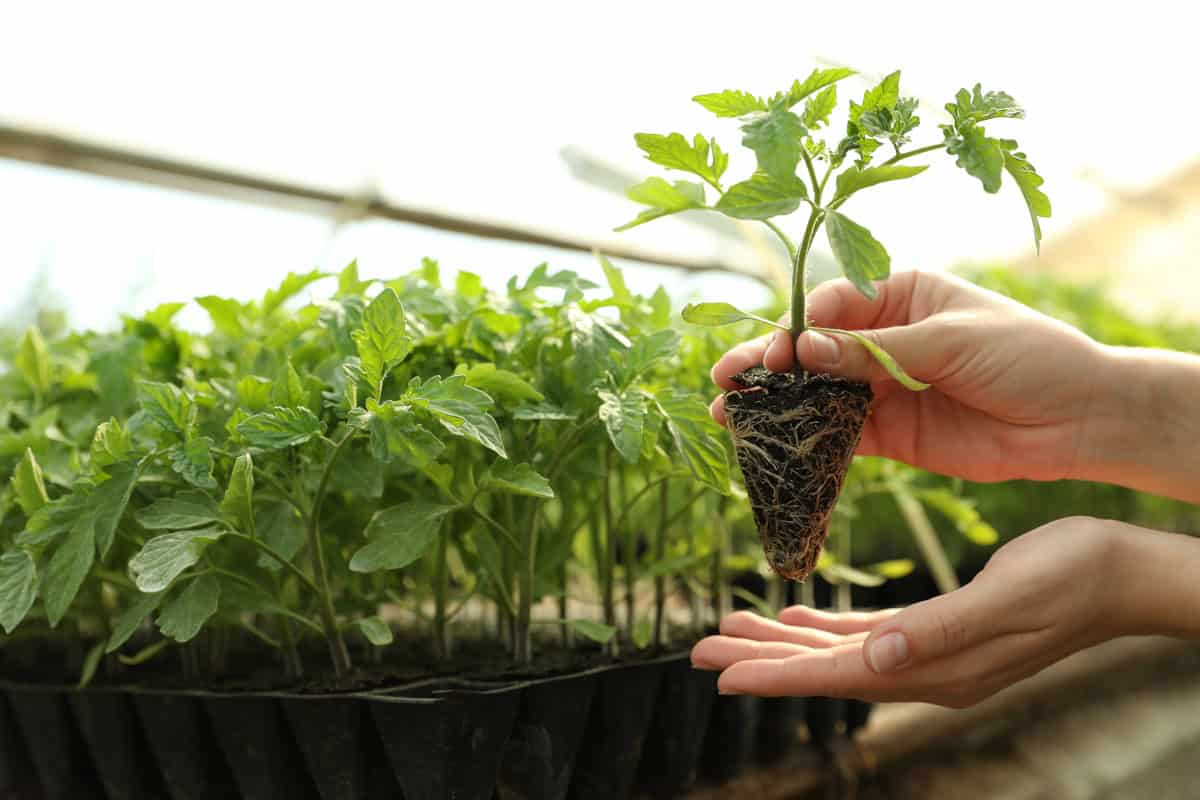
Supporting organic seed farmers also encourages long-term soil health and supports farming practices that don't harm the planet - something more gardeners are prioritizing every year.
Five Helpful Tips for Successfully Growing Organic Seeds
Growing organic seeds is a rewarding way to garden sustainably and healthily. Whether growing vegetables in a vertical garden or flowers in a front garden bed, use these five simple tips to get you started on the right foot.
Know the Difference Between Organic and Heirloom Varieties
Organic seeds are produced without synthetic chemicals, focusing on sustainable practices. Heirloom seeds, on the other hand, refer to varieties passed down through generations. They're known for their unique flavors and historical significance.
Organic and heirloom seeds both contribute to biodiversity. However, according to the University of Nebraska-Lincoln, they differ slightly in how they're cultivated and stored.
Prep Your Soil and Pre-Sprout Seeds for Better Germination
Preparing a garden for organic seeds means naturally enriching the soil without synthetic or chemical materials. Use compost and organic matter to improve soil health, ensuring the seeds grow in a nutrient-rich environment.
Once planted, keep your garden's cycle purely organic. Avoid synthetic fertilizers and pesticides. Instead, try a homemade natural fertilizer recipe.
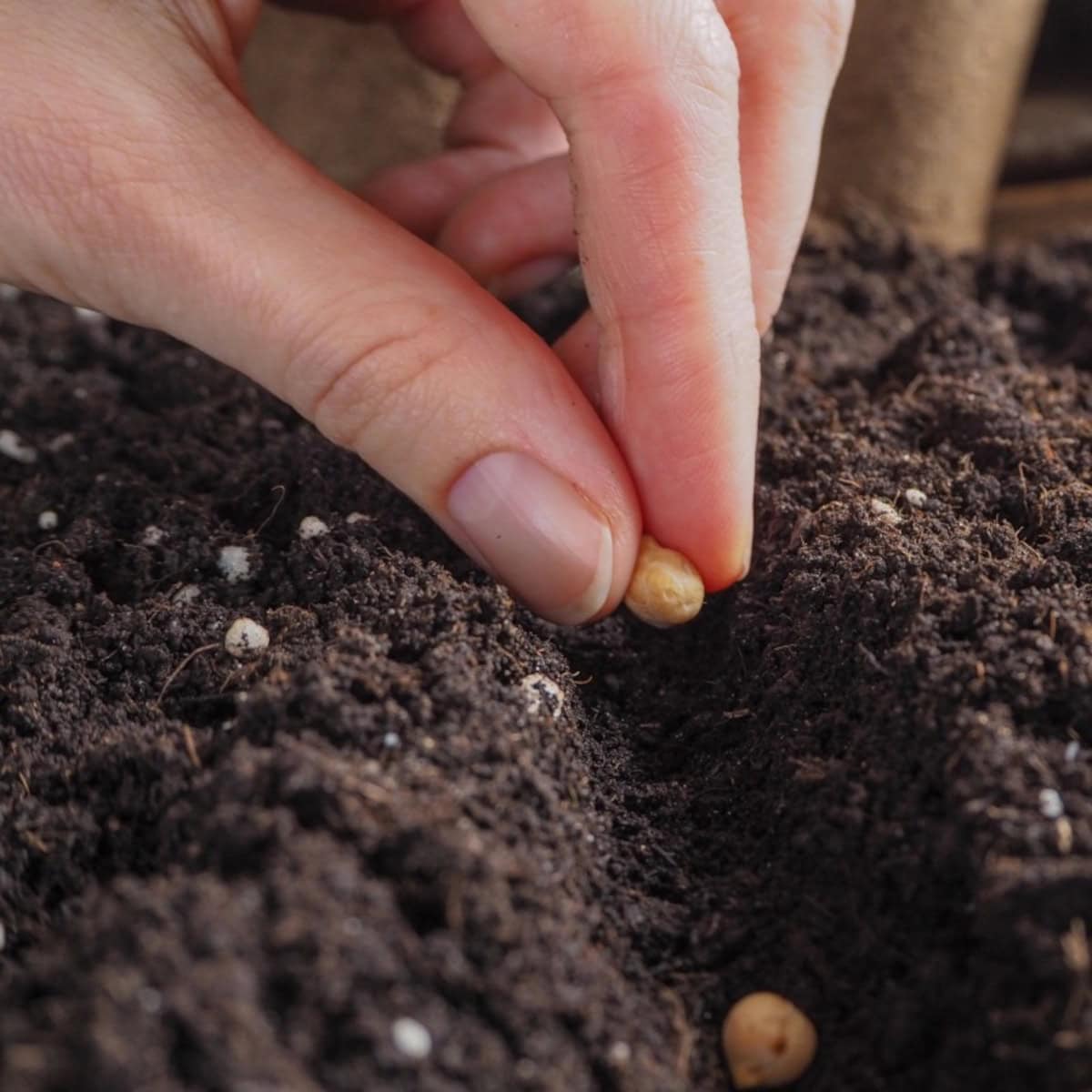
Jessica Haggard of Primal Edge Health suggests pre-sprouting organic seeds before planting. "It's easy," she says. "Just place your seeds between damp paper towels or in a shallow water dish for a few days until you see sprouts forming."
Once they've sprouted, Haggard says it's time to transfer them to soil, covering the roots delicately. This simple technique can significantly improve germination rates and give your garden a head start on healthy growth.
According to Haggard, this is an important strategy to get the most out of your organic seeds since they are a little more expensive. "The better you know how to sprout, the better success you'll have," she says.
Match Your Organic Seeds to Your Local Climate
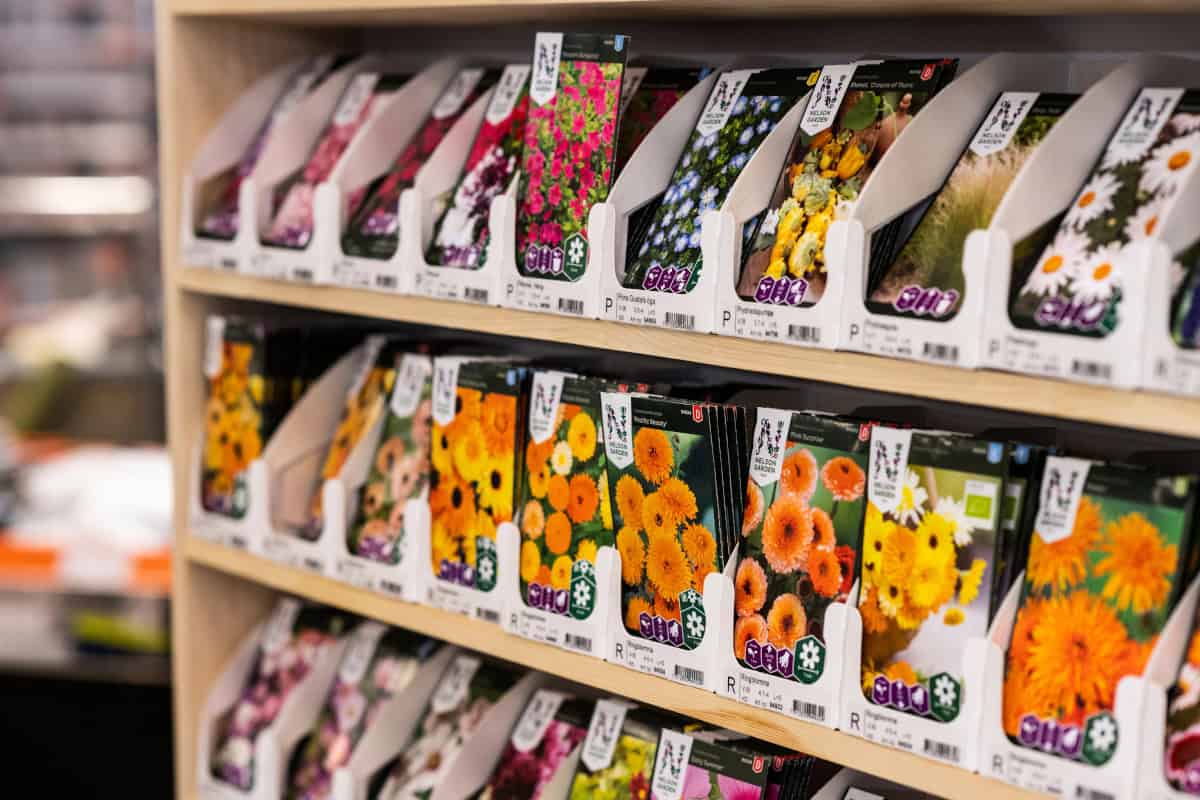
An important part of planning a garden involves planting the right seeds for the area. Just because the seed packet is labeled organic doesn't necessarily mean the seeds are suitable for all gardens. Organic seeds, like hybrid, conventional, and heirloom seeds, come in different varieties and require different growing conditions.
Local climate compatibility is one of the biggest factors in successful organic gardening. Research online, visit local garden centers, or consult with local gardening groups to find varieties that thrive in your area's conditions. This step can significantly increase your garden's productivity and sustainability.
Decide Whether to Start Seeds Indoors or Outdoors
Depending on your climate, the time of year, and your plants' specific needs, decide whether to start seeds indoors or directly sow them outdoors. Starting seeds indoors can give delicate plants a head start in cooler climates.
Some gardeners use a cold frame to get ahead in the summer growing season. Direct sowing, on the other hand, is suitable for hardier varieties and warm environments.

Use Natural Solutions to Control Garden Pests
Organic gardening also means dealing with pests without synthetic chemicals. Try natural pest control methods such as companion planting, beneficial insects, and barriers to protect your plants. These strategies keep pests at bay and maintain your garden's ecological balance.
Choosing organic seeds means avoiding GMOs, selecting cleaner soil systems, and supporting a healthier ecosystem overall. Grow organic seeds in your garden today to support sustainable farming practices and enjoy food produced the way nature intended.




Leave a Reply