
Good seasoning can turn a simple pan of vegetables, tofu, beans, or rice into something you genuinely look forward to eating. I've had plenty of meals where the ingredients were nothing fancy, but a little garlic, smoked paprika, pepper, and the right blend of spices made all the difference.
Jump To
- What Is Plant-Based Seasoning?
- Essential Spices for Vegan and Plant-Based Cooking
- What Spices Are Good for Vegetables?
- Easy Plant-Based Seasoning Blends to Make at Home
- How to Use Spices in Plant-Based Food
- Plant-Based Seasoning for Tofu, Beans, and Grains
- Plant-Based Seasoning Substitutes
- Are Plant-Based Seasonings Healthy?
- Buying Vegan Seasonings and Spice Blends
- Simple Plant-Based Seasoning Uses
- Final Thoughts
- FAQs
- You May Also Like
That's the beauty of plant based seasoning. You don't need complicated sauces or a cupboard overflowing with specialty products to make plant-based food flavorful. Many everyday herbs and spices are naturally vegan, and learning how to combine them makes cooking vegetables and other plant-based dishes much easier.
Whether you're new to plant-based cooking or simply want to give your everyday meals more flavor, these seasonings and combinations are a great place to start.
What Is Plant-Based Seasoning?
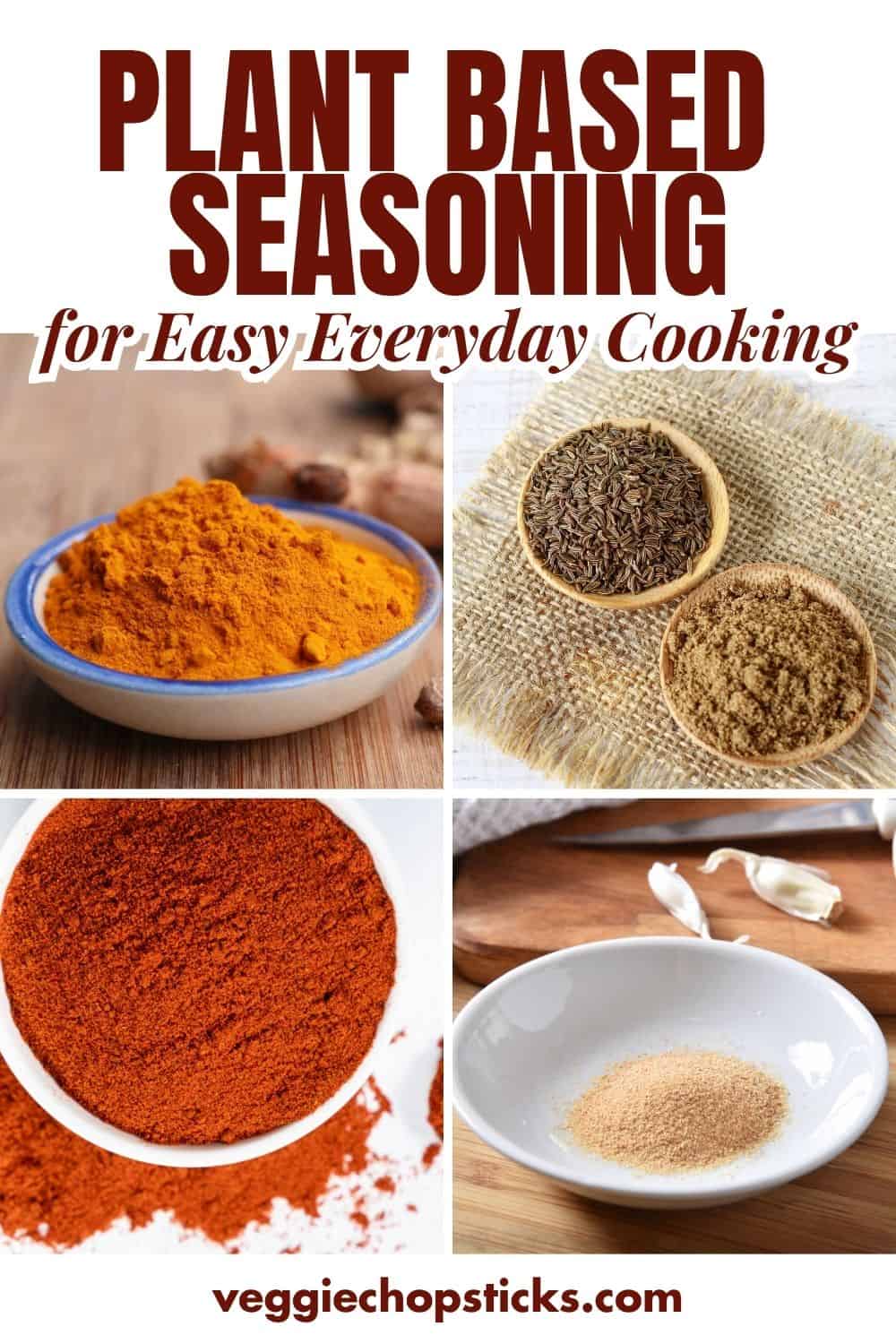
At its simplest, plant-based seasoning is a seasoning made without animal-derived ingredients. Individual herbs and spices such as garlic powder, cumin, paprika, oregano, turmeric, black pepper, and chili powder are naturally plant-based.
Things become a little less obvious with packaged seasoning blends. Some products may contain dairy-derived ingredients, meat flavorings, or other additives depending on the formula. If you follow a vegan diet, checking the ingredient label is the easiest way to make sure a blend fits your needs.
You certainly don't need products specifically labeled "vegan seasoning," though. Most of the spices already sitting in your kitchen can become the foundation of flavorful plant-based cooking.
Essential Spices for Vegan and Plant-Based Cooking
If I were building a spice cabinet from scratch, I would start with versatile seasonings rather than buying dozens of jars at once.
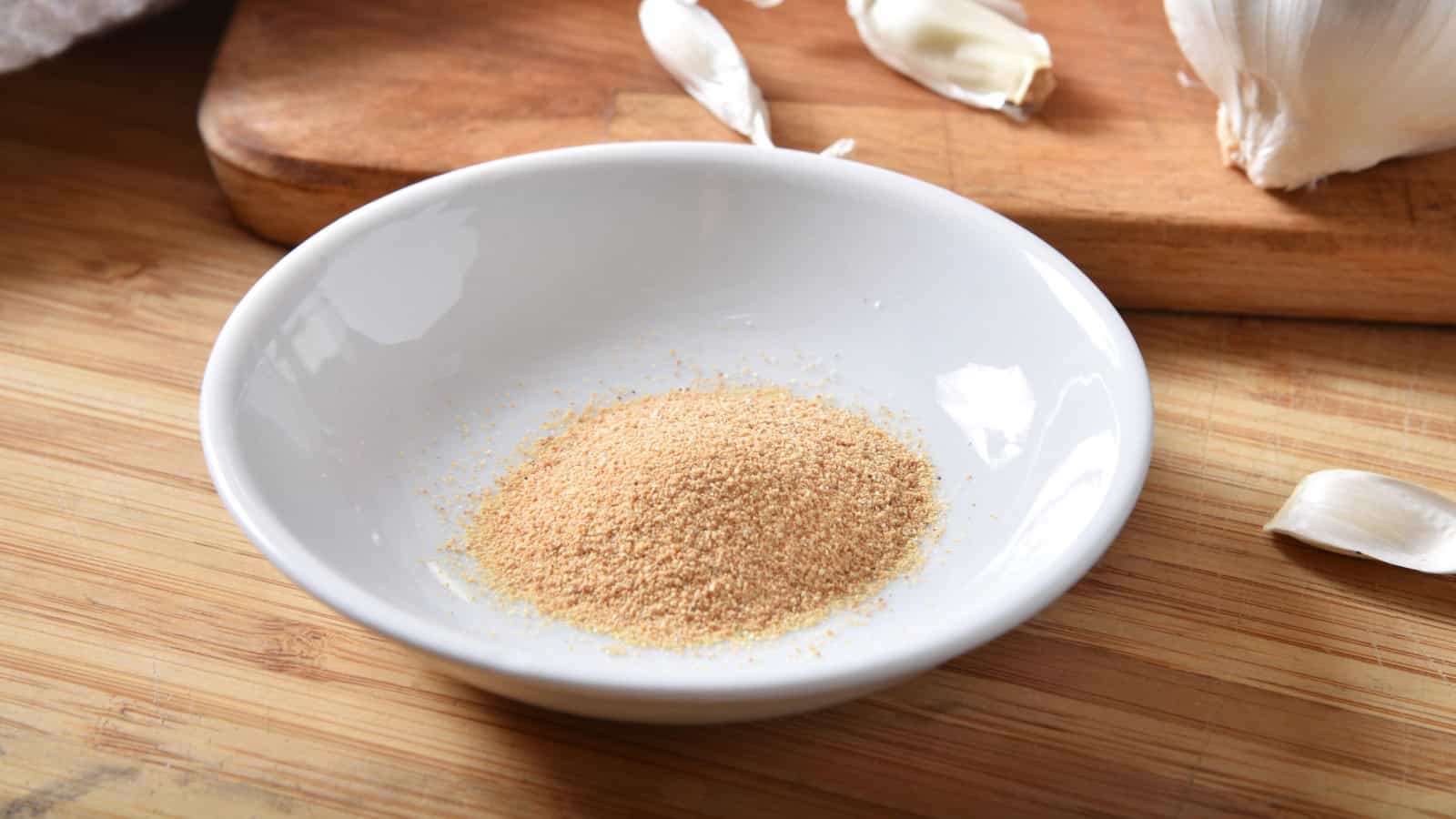
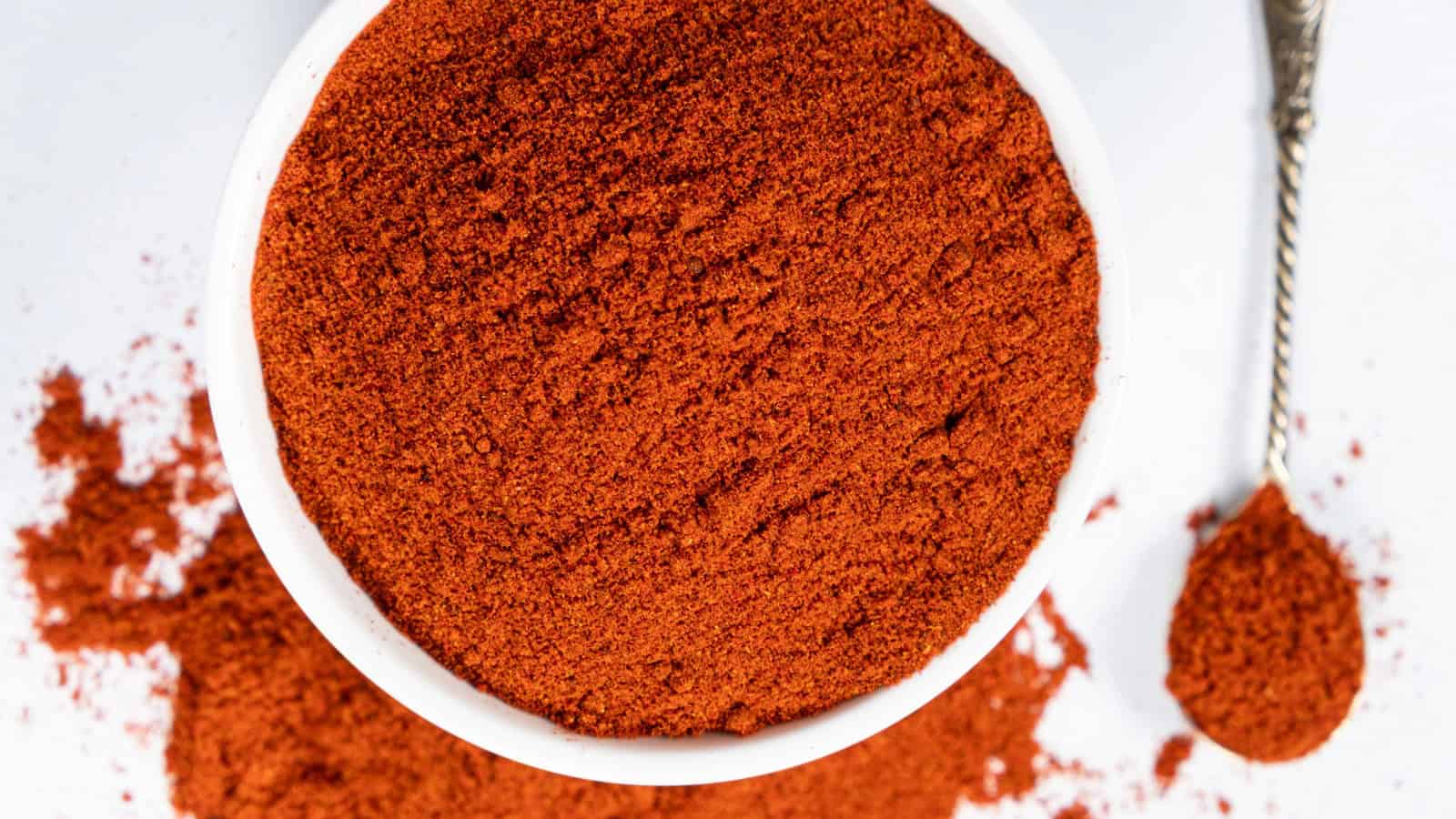
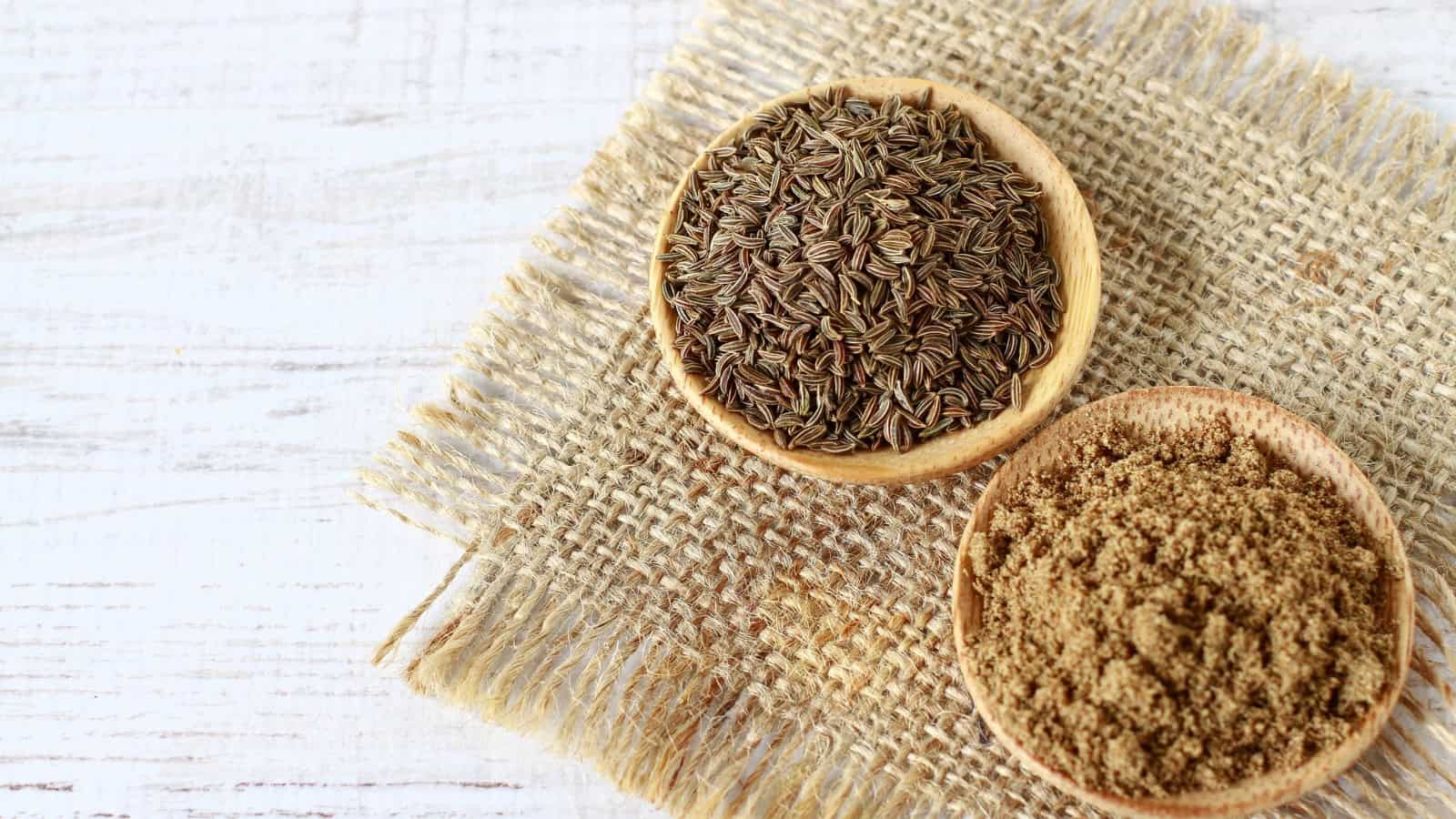
Garlic powder and onion powder provide an easy savory base. Smoked paprika adds warmth and a slightly smoky flavor that is especially good with beans, potatoes, tofu, and roasted vegetables. Cumin brings an earthy note to lentils, chickpeas, tacos, and grain bowls, while black pepper adds a little bite to almost anything.
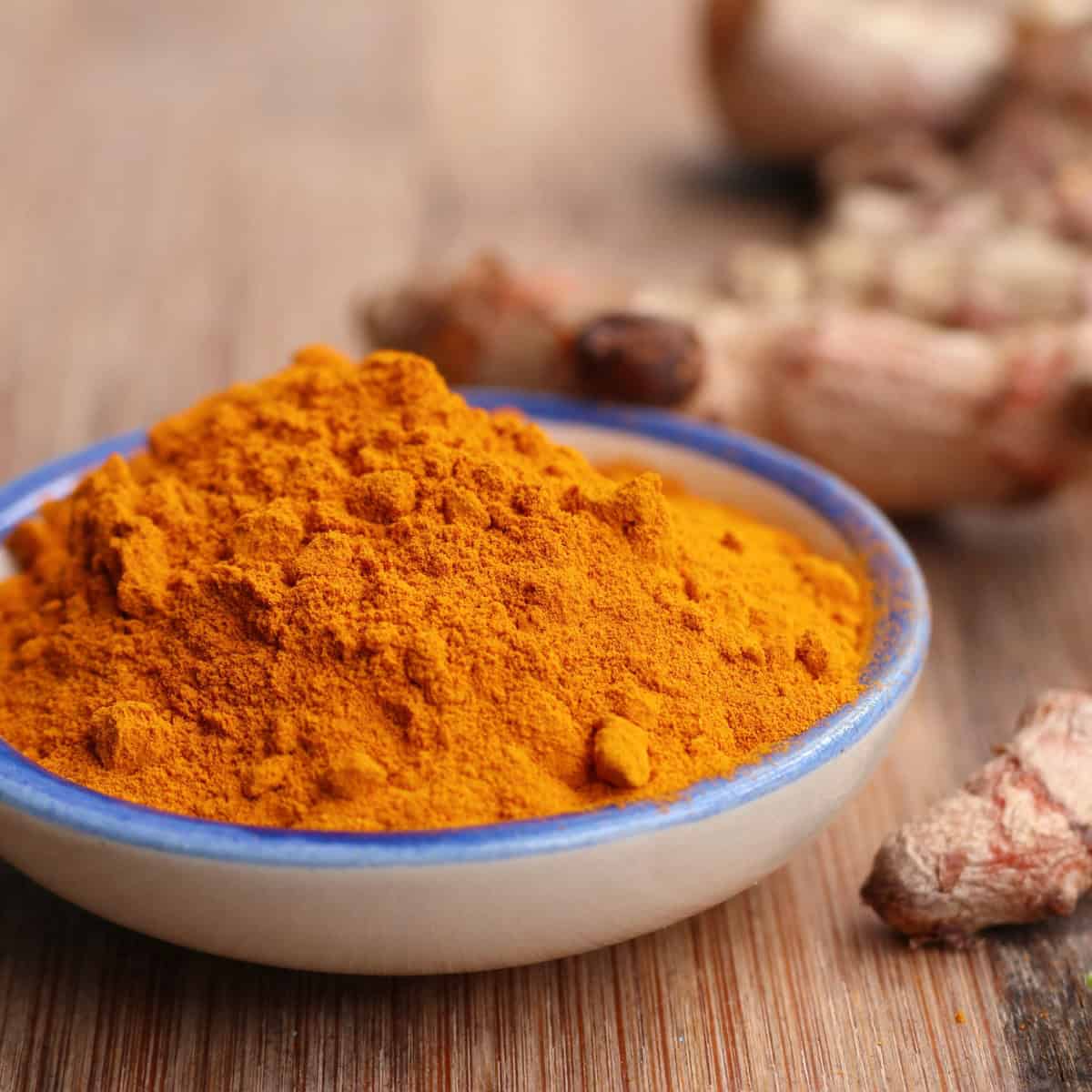
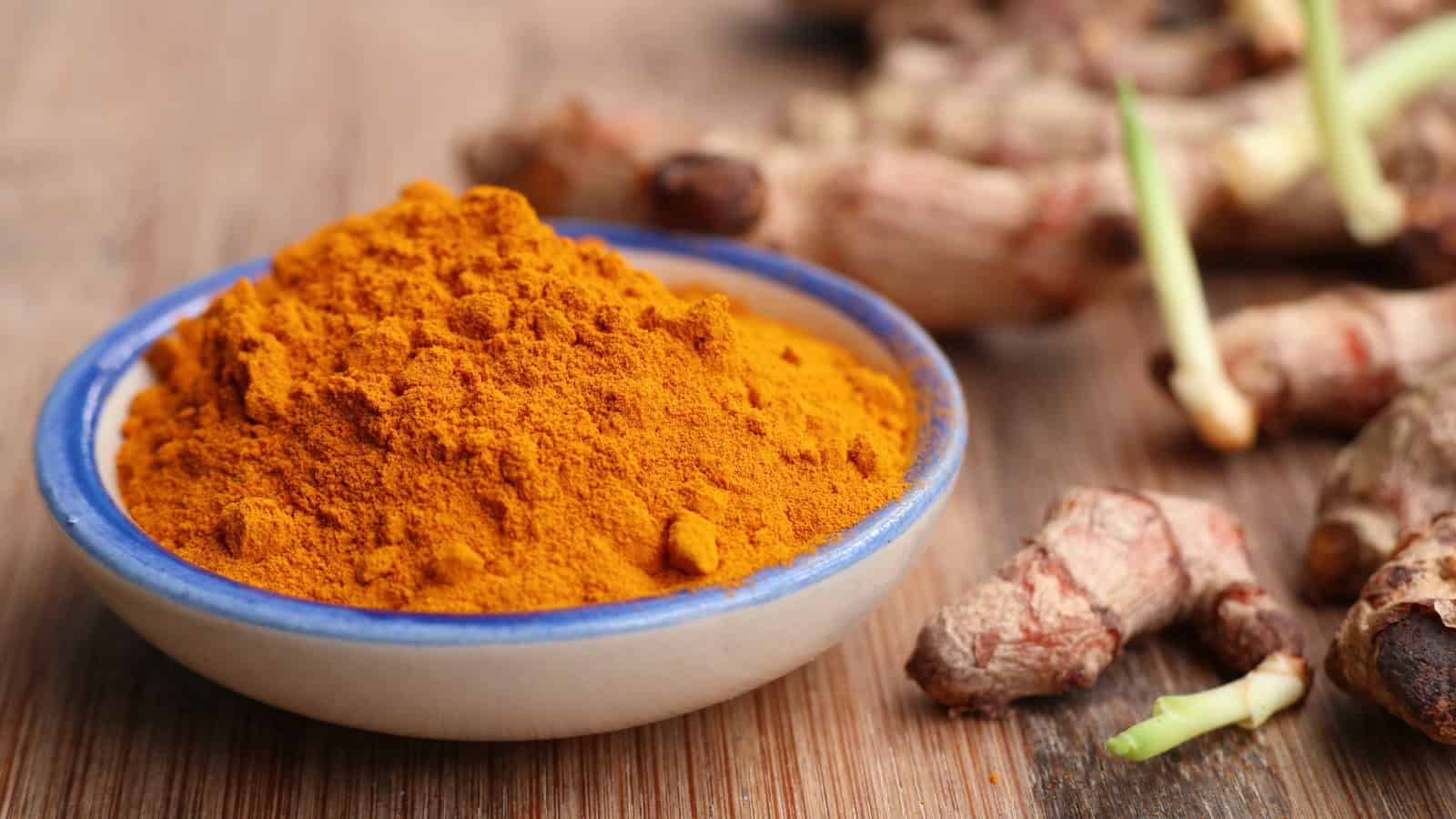
I also love keeping turmeric, chili powder, red pepper flakes, oregano, cinnamon, and ginger nearby. Together, these spices give you enough variety to take meals in completely different directions without changing your basic ingredients.
What Spices Are Good for Vegetables?
Almost any vegetable can benefit from seasoning, but matching the spice to the vegetable makes cooking much more interesting.
Broccoli and cauliflower are delicious with garlic, black pepper, smoked paprika, or curry spices. Sweet potatoes work beautifully with cumin, chili powder, cinnamon, or smoked paprika. Mushrooms taste great with garlic, thyme, and plenty of black pepper, while zucchini and tomatoes pair naturally with oregano, basil, and garlic.
For leafy greens, try garlic with red pepper flakes and a squeeze of lemon. Root vegetables are especially good with rosemary, thyme, cumin, or paprika.
You don't have to follow strict combinations. Start with flavors you already enjoy and experiment from there.
Easy Plant-Based Seasoning Blends to Make at Home
Making your own plant-based seasonings is surprisingly simple, and you can adjust every blend to suit your taste.
For an everyday savory mix, combine garlic powder, onion powder, smoked paprika, black pepper, oregano, and a little salt. It's a versatile combination for roasted vegetables, potatoes, tofu, beans, and grain bowls.
For something warmer, try cumin, coriander, smoked paprika, garlic, and chili powder. If you prefer an Italian-inspired flavor, combine dried basil, oregano, thyme, rosemary, and garlic.
Homemade vegan spice blends are also useful if you cook frequently. Mix a small batch and keep it in a labeled airtight jar so it's ready whenever dinner needs a quick boost.
How to Use Spices in Plant-Based Food
One of the easiest mistakes to make with plant-based cooking is waiting until the very end to think about seasoning. Building flavor throughout the cooking process usually gives you a better result.
When sautéing onions or vegetables, spices can often be added briefly to the warm oil, so their aromas have a chance to develop. Just be careful not to let ground spices burn.
For roasted vegetables, toss the vegetables with oil and your chosen seasonings before they go into the oven. Tofu can be seasoned before baking, air frying, or pan-frying so the exterior develops plenty of flavor.
Taste again before serving. A dish that seems flat may need salt, but sometimes acidity is what's missing. A squeeze of lemon or lime can brighten the whole meal without adding another spice.
Plant-Based Seasoning for Tofu, Beans, and Grains
Plant proteins and grains are wonderful blank canvases, which means seasoning makes a noticeable difference.
For tofu, try garlic, smoked paprika, black pepper, and a little soy sauce for a savory combination. Curry powder, turmeric, cumin, and ginger can take it in a completely different direction.
Beans pair naturally with cumin, oregano, chili powder, garlic, and smoked paprika. Lentils are delicious with curry spices, coriander, turmeric, or warming herbs such as thyme.
Even plain rice and quinoa become much more interesting when cooked with aromatics or finished with herbs, pepper, citrus, or a favorite vegan seasoning blend.
Plant-Based Seasoning Substitutes
Running out of one spice doesn't mean dinner is ruined. Most seasoning substitutions won't taste exactly the same, but they can still give your food plenty of flavor.
If you don't have cumin, ground coriander can provide a different but complementary earthy note. Chili powder or a small amount of smoked paprika may work in dishes where you mainly want warmth and depth.
No garlic powder? Fresh minced garlic is often even better. Dried herbs can usually stand in for fresh herbs when you adjust the amount, and lemon juice or zest can bring brightness when a dish needs something lively.
Rather than trying to perfectly reproduce a missing spice, think about its role in the dish-smoky, earthy, spicy, savory, or bright -and choose a substitute that serves a similar role.
Are Plant-Based Seasonings Healthy?
Herbs and spices are an easy way to add flavor without relying entirely on sugar, heavy sauces, or large amounts of salt. Many spices also contain naturally occurring plant compounds, which is one reason herbs and spices are commonly included in a varied diet.
However, there's no single best plant-based seasoning or "healthiest" spice. Variety is more useful than trying to crown one spice the winner.
With packaged vegan seasonings, it's important to check the nutrition label if sodium is important to you. Some blends contain plenty of salt, while salt-free spice mixes allow you to control how much you add yourself.
Buying Vegan Seasonings and Spice Blends
You can find useful plant-based seasonings in nearly any regular grocery store. There's no need to shop exclusively in a specialty vegan section.
Single-ingredient herbs and spices are the simplest place to begin. For prepared vegan spice mixes or seasoning powders, read the ingredient list because formulas vary between brands and can change over time.
When deciding where to buy plant-based seasoning, consider what you'll actually cook with rather than collecting blends that sound interesting but sit untouched. A handful of versatile spices you use every week is much more useful than an overflowing spice cabinet.
Simple Plant-Based Seasoning Uses
Once you have a few favorite spices, they can work across an impressive number of meals.
Sprinkle a savory garlic-and-paprika blend over the potatoes before roasting. Use cumin and chili powder with black beans for tacos. Toss chickpeas with smoked paprika and garlic before roasting them until crisp, or add curry spices to lentils and coconut milk for a comforting dinner.
Seasonings can also transform simple snacks. Popcorn, roasted nuts or seeds, crispy chickpeas, and homemade vegetable chips can all take on completely different personalities depending on the spice blend.
The more you cook with spices, the easier it becomes to season by instinct rather than constantly reaching for a recipe.
Final Thoughts
A good collection of plant-based seasonings doesn't need to be expensive or complicated. Garlic, pepper, cumin, smoked paprika, herbs, chili, and a few favorite spice blends can carry you through an incredible variety of meals.
Start with seasonings that match the food you already enjoy, then experiment with new combinations as you cook. Vegetables, tofu, beans, lentils, and grains all respond beautifully to bold seasoning, so plant-based food never has to mean bland food.
Most importantly, taste as you go. Once you become comfortable adjusting salt, spice, herbs, and acidity, even the simplest ingredients can become a meal worth making again.
FAQs
Pure herbs and spices are plant-based. Packaged seasoning blends can contain additional ingredients, however, so check the label if you follow a vegan diet.
Garlic, black pepper, smoked paprika, cumin, oregano, chili powder, turmeric, ginger, and dried herbs are versatile choices. The best combination depends on the dish and the flavors you enjoy.
Yes. Try combining garlic powder, onion powder, smoked paprika, black pepper, oregano, and a little salt for an easy everyday blend that works with vegetables, tofu, beans, and potatoes.
Ground coriander is a useful alternative when you want an earthy flavor, although it doesn't taste exactly like cumin. Depending on the recipe, chili powder or smoked paprika may also work well.


Leave a Reply