

From dressings to marinades, sauces to broths, miso paste brings unmatched umami flavor and depth. However, if you find yourself without miso paste in your pantry, fear not. There are still plenty of ways to recreate that rich, savory flavor using simple alternatives you may already have on hand.
In this article, we'll explore the best substitutes that can help you achieve that savory, complex, and distinctive taste.
What is miso paste?
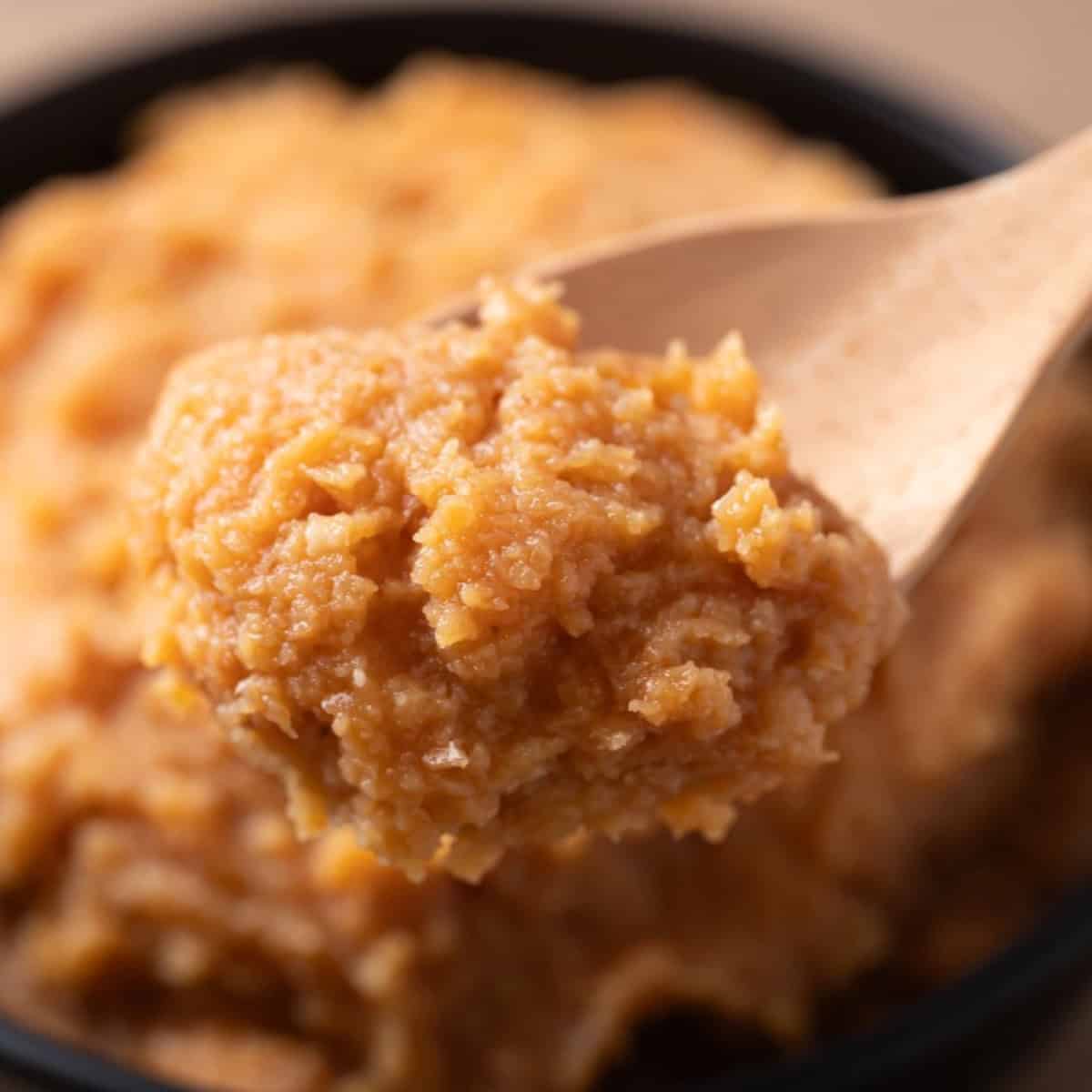
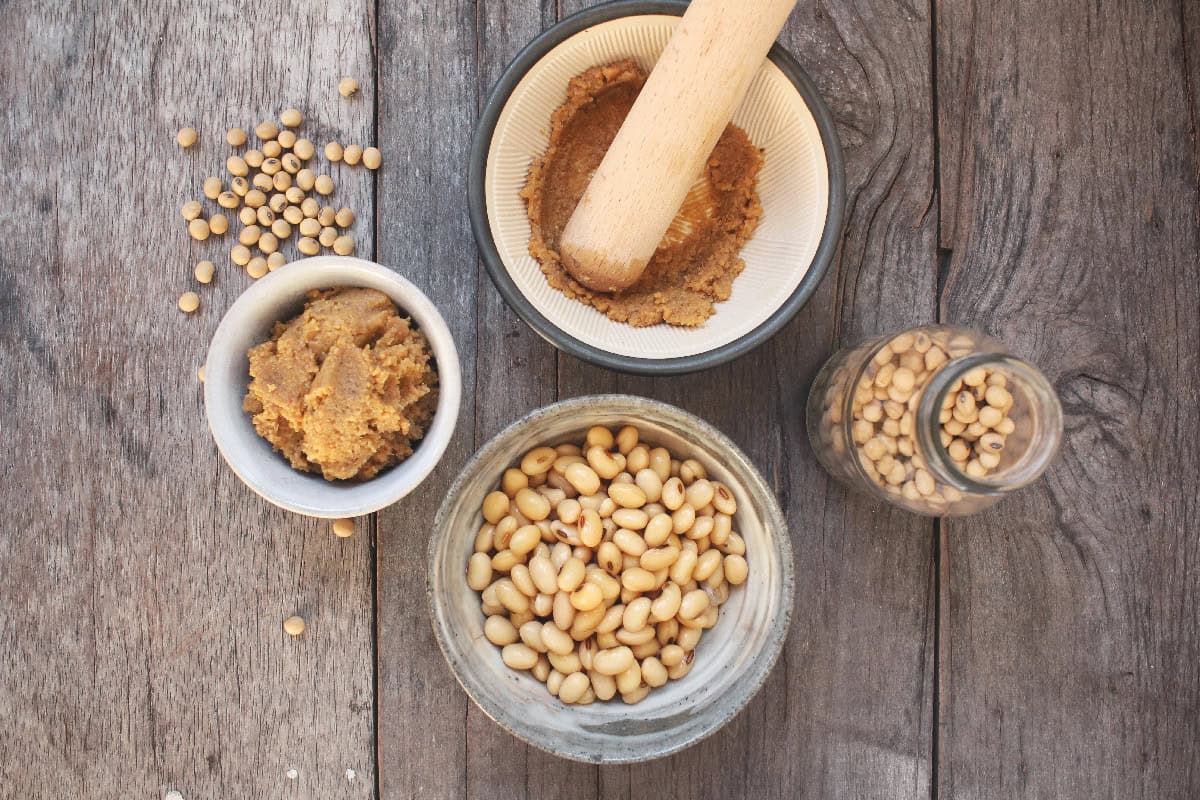
Miso paste is a traditional Japanese paste made of fermented soybeans. Salt and a specific fungus, a koji starter, are added, and sometimes a grain such as barley or rye.
Unlike chili paste, miso paste is not spicy but instead boasts a deep, salty, earthy, subtly sweet, and funky flavor.
One important distinction to understand is how miso differs from soybean paste. Miso tastes a touch sweeter than soybean paste because of the added koji starter.
If you're following a gluten-free diet, make sure to read the ingredient label to ensure there are no added grains. The brand Miso Master is widely available in the U.S. and is both organic and gluten-free.
There are several types of miso pastes, which include:
• white miso paste
• red miso paste
• yellow miso paste
• brown miso paste
They all taste a little bit different; the darker the miso, the stronger the flavor, but a common favorite to keep on hand for general-purpose use is white miso paste. Also known as shiro miso, it's both mild in flavor and versatile in a variety of recipes.
No matter which type you typically use, the substitutes below can work across most varieties of miso paste.

Where to find miso paste
Before discussing the best substitutes for miso paste, it's worth noting where you can find it for future use. As such, a unique and impactful ingredient with an extended shelf-life, it's worth the effort to seek out.
Miso paste can be located in most supermarkets in the refrigerated section, usually near the tofu or tempeh.
Using it with both those ingredients is very commonplace. Whether it's in a tempeh marinade or air-fried tofu.
Most conventional grocery stores now carry miso paste, but you can be guaranteed to locate it in a store like Whole Foods or Sprouts.
If you plan to cook with it regularly, it's a great pantry staple to keep on hand because of its long shelf life and versatility.

The best miso paste substitutes
These common household ingredients can serve as good substitutes for miso paste in various situations. They perform best when miso paste is part of a larger list of ingredients, not center stage in the recipe. In those cases, it's best to source the real thing and save the recipe for another time.
Soy sauce
Soy sauce is probably the most common miso substitute. Most will have this ingredient in the refrigerator already, and if you're gluten-free or paleo, both tamari (usually gluten-free) or coconut aminos (gluten-free and soy-free) also make good stand-ins for miso paste.
Soy sauce does a great job of mimicking the salty flavor of miso paste, but its most obvious downfall is the difference in consistency. Soy sauce is a thin liquid, while miso paste is creamier and paste-like.
Because of this texture difference, it works best in dressings, soups, and marinades rather than thick sauces.
If you choose to use soy sauce in place of miso paste, a good rule of thumb is to use half as much soy sauce as miso paste.
The dressing for this bok choy salad is a great example of how soy sauce or miso paste can be used interchangeably.
Fish sauce
Fish sauce is another good substitute for miso paste, as it has a similar salty, umami flavor profile. Like soy sauce, however, fish sauce is also much thinner in texture than miso paste.
Fish sauce is made from fermented fish, so it's not substitutable for vegetarians or vegans, but its salty, funky flavor is a very close match to miso paste.
Its bold flavor can quickly overpower a dish if used incorrectly, so careful measurement is key.
The one caveat with using fish sauce is the difference in strength. It cannot be swapped out in a one-to-one ratio. A little goes a long way with this ingredient.
Use about one-quarter as much fish sauce as the specified amount of miso paste in a recipe.
Tahini
Tahini is a great miso substitute because it's almost identical in texture. Its creaminess pairs well with miso paste, especially when used as a sauce to coat Asian noodles.
Tahini is also commonly used in dressings or as a dipping sauce for roasted vegetables or fries. Roasted romanesco with turmeric tahini sauce is a mouthwatering dish that showcases the vegetable's texture and flavor.
Miso paste can easily be swapped for tahini, and vice versa, in a 1:1 ratio in these types of recipes.
Tahini is essentially a sesame seed butter made by grinding the seeds until creamy and smooth. While the texture is spot on for a miso paste substitute, its flavor profile is a bit different.
Where miso paste is salty and umami, tahini is more nutty and a touch bitter.
Because of this, tahini works best when paired with something salty like soy sauce to better mimic miso's depth.
Tahini is a good miso substitute if the recipe calls for a small amount of miso paste. A good rule of thumb for using tahini in place of miso is to use it when the recipe calls for 2 tablespoons or less.
For larger amounts, use a combination of tahini and either soy sauce or fish sauce to create a substitute that's more accurate in both texture and flavor.
Salt
Last but not least may be the easiest of all the miso paste substitute swaps, salt.
Salt is perfect if a recipe only calls for a very small amount of miso paste. If a recipe has many other ingredients and miso isn't the main flavor component, salt is perfect.
Most recipes already call for salt in their ingredient lists, so just add a little more than called for.
Start with one-quarter teaspoon of additional salt and increase from there based on taste.
This simple adjustment can often be enough to balance flavors without overcomplicating the recipe.

Miso paste substitution tips
Substituting other ingredients for miso paste is best done on a recipe-specific basis. What works best in one recipe may not work best in another.
Things like the desired textural outcome of the recipe, taste, and quantity need to be taken into consideration anytime you swap miso paste.
It's often helpful to taste as you go and adjust gradually rather than making large substitutions all at once.
Sometimes the best solution is a single-ingredient substitution, while other times a combination of the substitutes mentioned above works best.
Final thoughts
At the end of the day, finding the right miso paste substitute depends on the recipe and the flavor you're going for.
Some swaps work better for texture, while others shine in flavor, and sometimes a simple combination does the trick.
Once you understand these small differences, it becomes much easier to adjust recipes with confidence and still create something delicious.
FAQ
You can substitute miso paste with soy sauce, fish sauce, tahini, or even salt, depending on the recipe. Each option works best in different situations based on flavor and texture.
Yes, soy sauce is one of the most common substitutes. Use about half the amount since it's thinner and more concentrated in salt.
Yes, tahini and soy sauce (or tamari) are great vegetarian options. You can also combine them to better match miso's flavor and texture.
Fish sauce is closest in terms of umami and depth, but it's not vegetarian. For plant-based options, a mix of soy sauce and tahini works well.
If the recipe calls for only a small amount, you can replace it with a little extra salt or soy sauce without significantly affecting the final dish.




Leave a Reply