

If you've ever wondered if you can you cook lentils in the microwave, the short answer is yes, you absolutely can. While many people automatically reach for the stovetop, an Instant Pot, or a pressure cooker, the microwave is an underrated way to cook lentils when you're short on time or simply don't want another pot to wash.
Jump To
- Can You Cook Lentils in the Microwave?
- Which Lentils Can You Cook in the Microwave?
- Do You Need to Soak Lentils First?
- How Long Can You Cook Lentils in the Microwave?
- How Much Water Do Lentils Need?
- Tips for Cooking Lentils in the Microwave Successfully
- Common Mistakes to Avoid
- Troubleshooting Microwave Lentils
- Microwave vs. Stovetop vs. Instant Pot
- What Can You Make with Cooked Lentils?
- Are Microwave Lentil Pouches Worth Buying?
- Why Lentils Are Such a Great Pantry Staple
- Final Thoughts
- FAQ
- You May Also Like
I first discovered this trick during a busy workday when I wanted a quick homemade lunch without standing over the stove. To my surprise, the lentils turned out tender, flavorful, and ready to toss into salads, soups, grain bowls, and curries. Since then, microwave lentils have become one of my favorite kitchen shortcuts.
In this guide, you'll learn which lentils work best, how long they take, whether you should soak them first, common mistakes to avoid, and answers to the most frequently asked questions. If you're looking for an easy and reliable method, you've come to the right place.
Can You Cook Lentils in the Microwave?
Yes! You can successfully cook lentils in the microwave with nothing more than a microwave-safe bowl, water, and a little patience.
Like stovetop cooking, the lentils absorb water as they soften. The biggest difference is that microwave cooking usually requires stirring once or twice during the process to help everything cook evenly.
The exact cooking time depends on the variety of lentils you're using. Red lentils soften much faster than brown lentils or green lentils, making them ideal for soups, creamy dals, and purees.
For anyone living in a dorm, traveling, or trying to save time, the microwave is a surprisingly practical option.
Which Lentils Can You Cook in the Microwave?
Not all lentils behave the same. Understanding the differences helps you get the best texture.
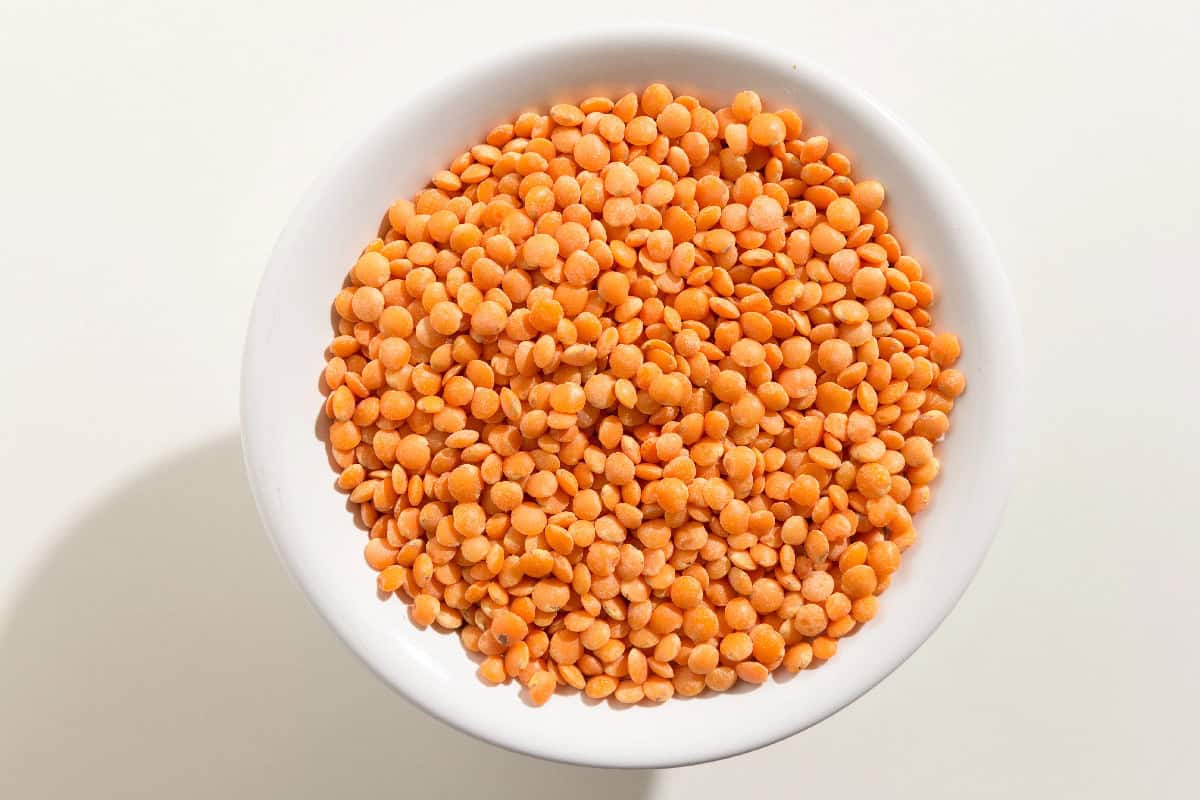
Brown Lentils
Brown lentils are one of the most common varieties found in grocery stores. They hold their shape well after cooking, making them perfect for salads, grain bowls, tacos, and hearty vegetarian dishes.
If you're wondering, can I cook brown lentils in the microwave? Yes. They simply require a longer cooking time than red lentils.
Green Lentils
Green lentils are slightly firmer than brown varieties and have a peppery flavor.
Many readers ask how to cook green lentils in the microwave because they stay intact after cooking. They're an excellent choice for meal prep since they continue to hold their shape even after reheating.
Red Lentils
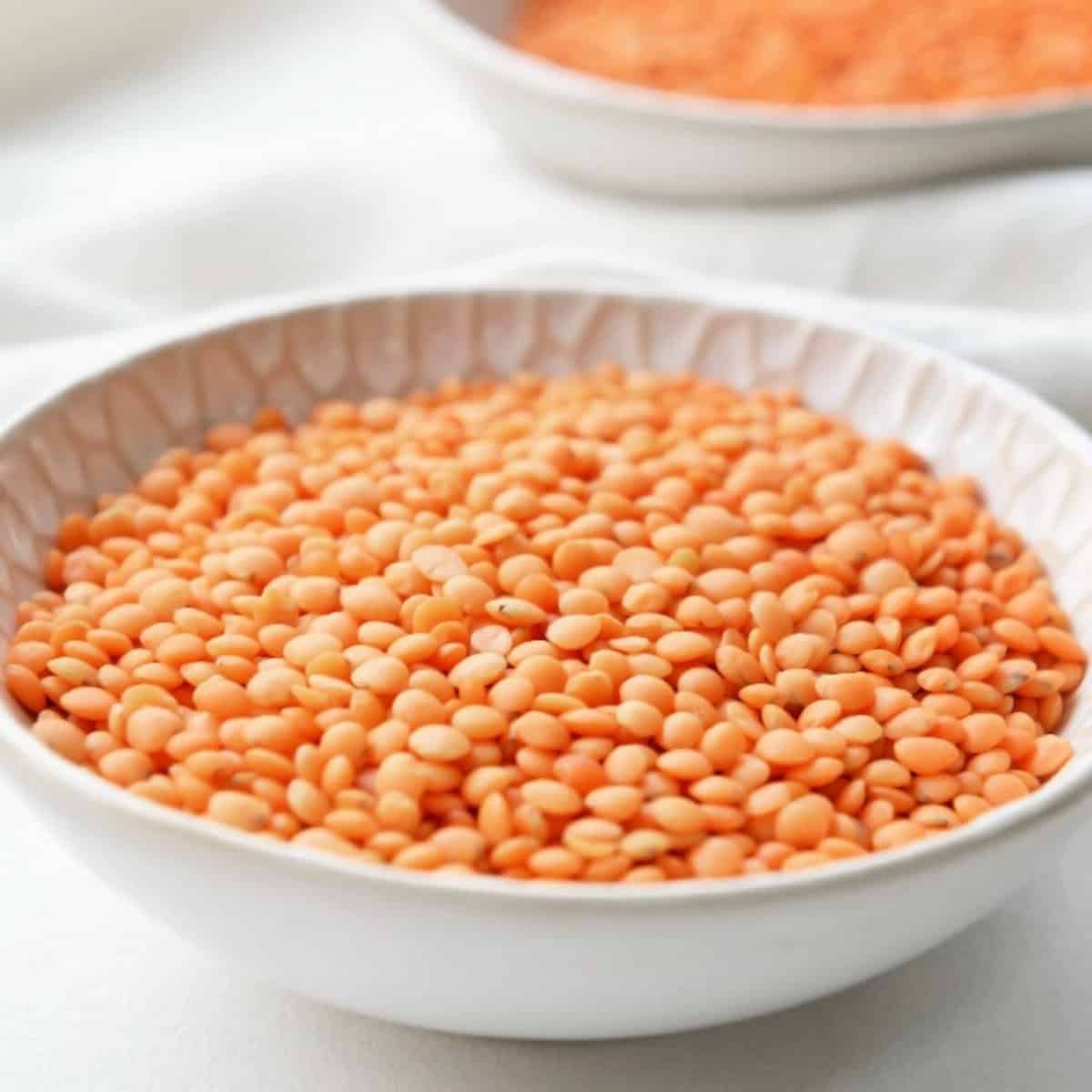
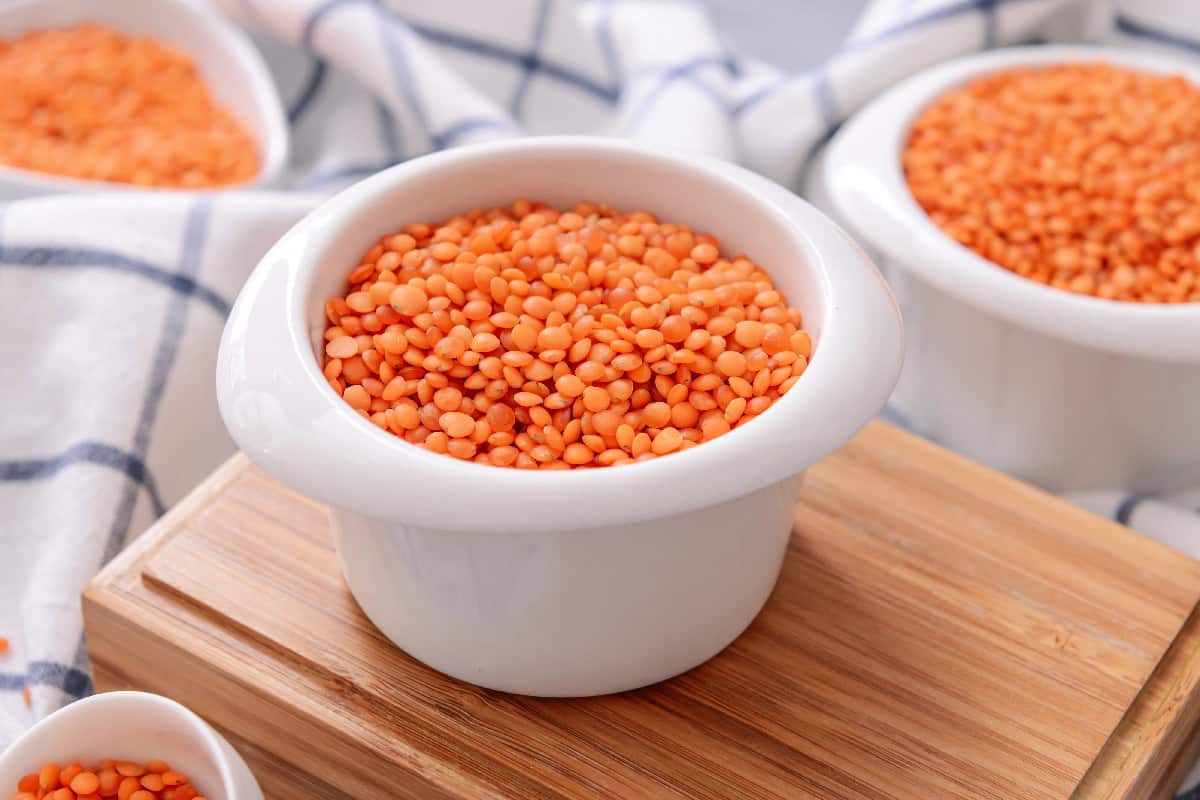
Red lentils cook the fastest of all.
Since the skins have already been removed, a red lentil breaks down quickly into a creamy consistency. That's why they're popular in Indian dals, soups, and purees.
If you're searching for, can you cook red lentils in the microwave? The answer is definitely yes, and they're actually one of the easiest varieties to microwave successfully.
Do You Need to Soak Lentils First?
Unlike dried beans, lentils generally do not need soaking before cooking.
Instead, rinse them well under cold water to remove any dust or small debris. A quick rinse is usually all that's necessary.
Skipping the soaking step is one reason lentils are such a convenient pantry staple for busy weeknights.
How Long Can You Cook Lentils in the Microwave?
One of the most common questions is how long you can cook lentils in the microwave.
The answer depends on the type:
- Red lentils: about 10-15 minutes
- Brown lentils: about 20-30 minutes
- Green lentils: about 25-35 minutes
Microwave wattage also affects the total cooking time, so you may need to adjust slightly depending on your appliance.
It's always better to check for tenderness near the end rather than overcook them.
How Much Water Do Lentils Need?
Getting the right amount of water is just as important as choosing the right lentil.
A general guideline is approximately:
- 1 cup dried lentils
- 2½ to 3 cups water
Because microwaves cook differently, you may occasionally need to add a little extra hot water if the bowl begins looking dry before the lentils are fully cooked.
Avoid starting with too little liquid, since lentils absorb a surprising amount during cooking.
Tips for Cooking Lentils in the Microwave Successfully
Microwave cooking is simple, but a few small habits make a big difference.
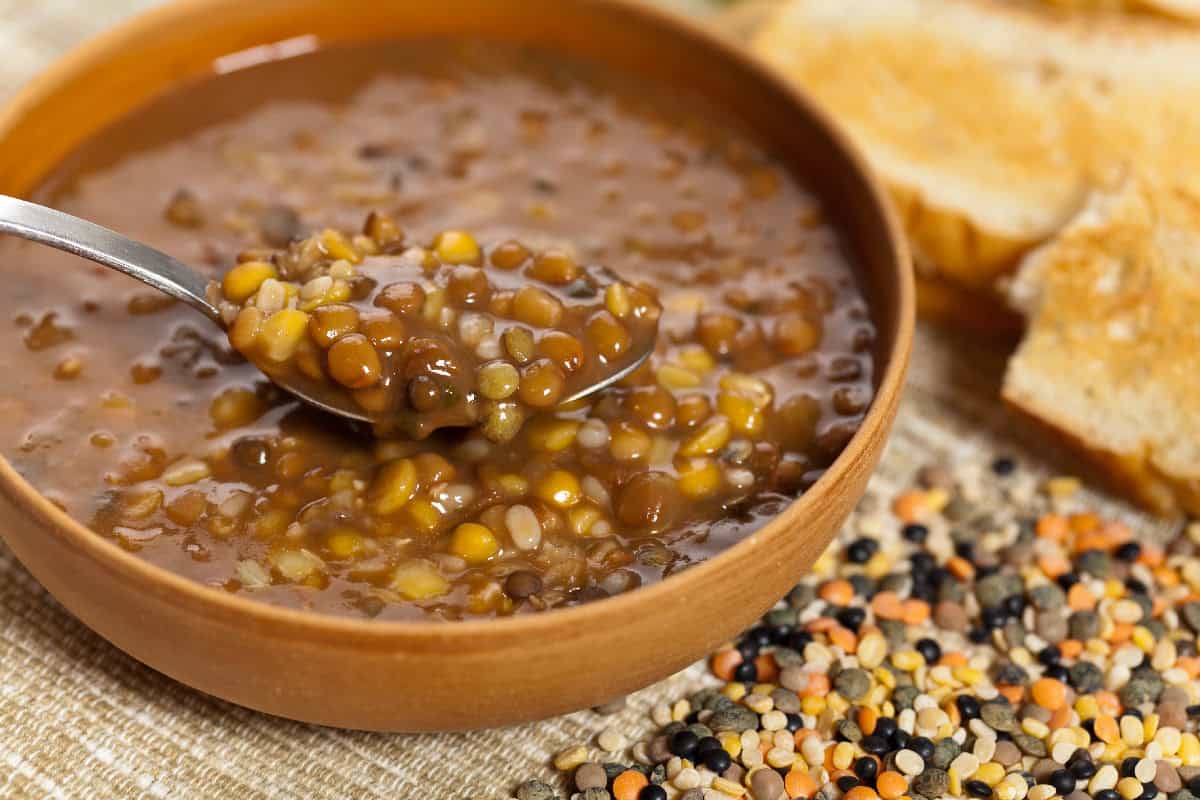
Use a large microwave-safe bowl because the water may bubble as it heats. Giving yourself extra room helps prevent spills.
Cover the bowl loosely instead of sealing it tightly. Steam needs somewhere to escape.
Stir once or twice during cooking to distribute the heat evenly.
If the lentils haven't reached your desired tenderness, continue microwaving in 2-minute intervals, adding a splash of hot water if needed.
Let the cooked lentils rest for several minutes after the microwave finishes. They'll continue absorbing moisture and become more evenly tender.
Common Mistakes to Avoid
Even though this method is forgiving, a few mistakes can affect the final texture.
Not adding enough water is one of the biggest issues. Lentils continue absorbing liquid throughout cooking.
Using a bowl that's too small can lead to messy boil-overs.
Cooking on maximum power the entire time sometimes causes uneven results. Depending on your microwave, reducing the power during the final few minutes can help.
Finally, don't forget to rinse the lentils with cold water before cooking.
Troubleshooting Microwave Lentils
If your lentils are still firm after the suggested cooking time, they simply need a few more minutes or a little more water. Since microwave wattages vary, it's perfectly normal to adjust the timing slightly.
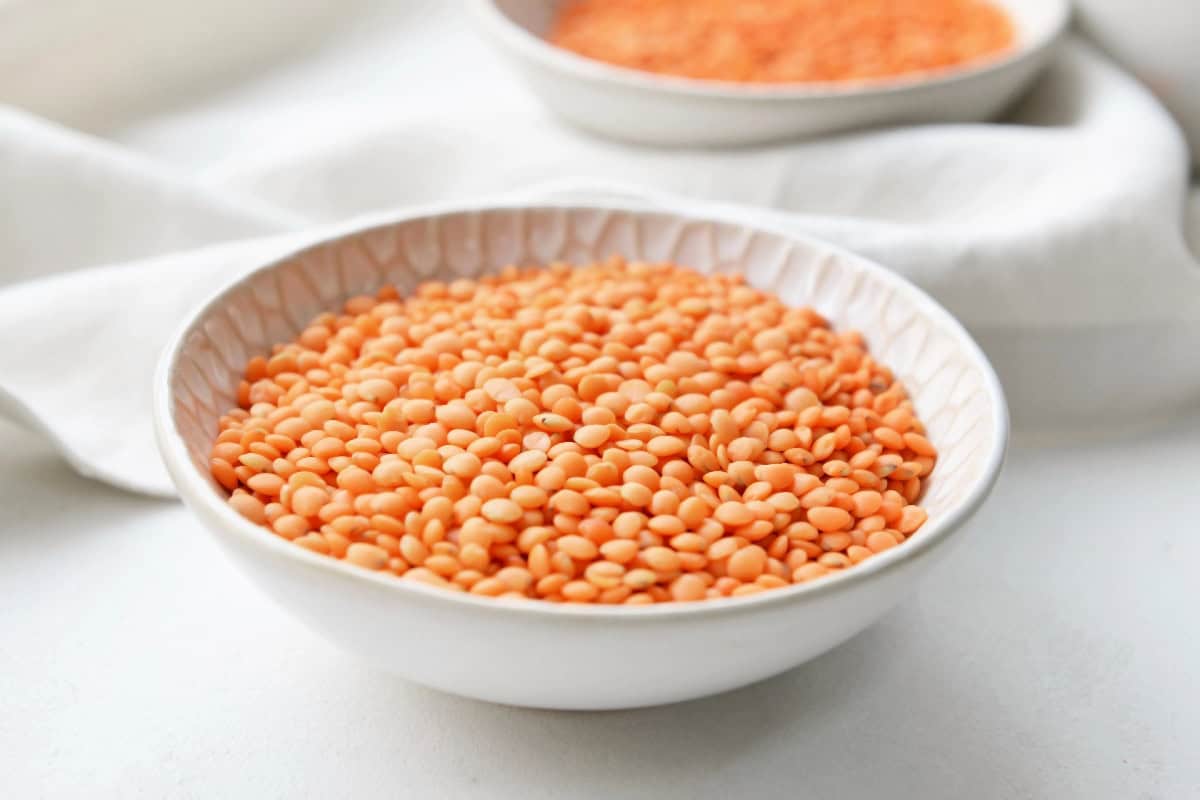
If your lentils turn mushy, they've likely cooked a bit too long. This is more noticeable with red lentils, which naturally soften into a creamy consistency. Brown and green lentils generally hold their shape better, making them ideal for salads and grain bowls.
If you notice excess water after cooking, don't worry. Simply drain the extra liquid or let the lentils sit for a few minutes so they can continue absorbing moisture until they reach your desired tenderness.
Microwave vs. Stovetop vs. Instant Pot
Each cooking method has its own strengths.
The microwave is probably the easiest option when you're making a small batch. Cleanup is minimal, and there's no pot to watch.
Instead of adding lentils to a pot on the stovetop, the microwave lets you cook them in a single microwave-safe bowl with very little cleanup.
A stovetop gives you the most control over texture, especially if you're preparing a larger amount.
An Instant Pot or pressure cooker is excellent for meal prep because it can cook larger batches with little hands-on attention.
None of these methods is necessarily better; they simply fit different situations.
What Can You Make with Cooked Lentils?
Once you have a bowl of cooked lentils, the possibilities are almost endless.
They're wonderful in soups, curries, grain bowls, wraps, tacos, pasta sauces, and fresh salads.
You can also combine lentils with rice to make satisfying vegetarian meals. If you've seen microwave lentils and rice products at the grocery store, homemade versions are often more affordable and allow you to control the ingredients.
For quick lunches, try mixing cooked lentils with roasted vegetables, leafy greens, lemon juice, and your favorite dressing.
Lentils also work beautifully in veggie burgers, shepherd's pie, stuffed peppers, casseroles, and countless plant-based recipes.
Are Microwave Lentil Pouches Worth Buying?
You may have noticed a microwave lentil pouch in the grocery store.
These ready-to-eat products are convenient for busy days because they're already fully cooked.
However, dried lentils are usually much more economical, create less packaging waste, and let you control sodium and seasoning.
If you have just a little extra time, cooking dried lentils in the microwave is often the better value.
Why Lentils Are Such a Great Pantry Staple
Lentils have earned a permanent place in kitchens around the world.
They're inexpensive, cook relatively quickly compared with dried beans, and fit into everything from comforting soups to fresh summer salads.
Whether you choose brown lentils, green lentils, or red lentils, they're one of the easiest ingredients to keep on hand for simple home cooking.
Having cooked lentils in the refrigerator makes weekday meals much faster, since you can quickly add them to countless vegetarian dishes.
Final Thoughts
So, can you cook lentils in the microwave? Absolutely. It's an easy, practical method that works surprisingly well for most varieties of lentils.
Whether you're preparing brown lentils for meal prep, creamy red lentils for soup, or hearty green lentils for salads, the microwave offers a convenient alternative to the stovetop, Instant Pot, or pressure cooker.
Once you try it, you may find yourself using this simple technique more often than you expected. It's one of those small kitchen tricks that saves time without sacrificing flavor, making healthy homemade meals a little more achievable on even the busiest days.
FAQ
Yes. Microwave cooking is one of the simplest ways to prepare lentils. As long as you use enough water, a large microwave-safe bowl, and allow enough cooking time, you'll end up with tender lentils ready for your favorite recipes.
Yes. Red lentils are actually one of the easiest varieties to microwave because they cook quickly and naturally become soft and creamy.
Absolutely. Brown lentils microwave well, although they require a longer cooking time than red lentils. They're ideal when you want lentils that hold their shape.
Green lentils are cooked the same way as other dried lentils but usually need a few extra minutes. Check them periodically until they're tender but still hold their shape.
No. Most lentils don't need soaking. Simply rinse them under cold water before cooking.
Depending on the variety and your microwave's wattage, cooking generally takes between 10 and 35 minutes.
Yes. Let the cooked lentils cool completely before storing them in airtight containers or freezer bags. They'll keep well in the freezer for several months and can be thawed whenever you need a quick addition to soups, curries, or grain bowls.



Leave a Reply