

Running out of eggs used to mean putting baking plans on hold. These days, it's hardly a problem. Whether you're following a vegan lifestyle, cooking for someone with an egg allergy, or simply looking for a more budget-friendly option, there's a plant-based egg substitute that can do the job.
In fact, many home cooks discover that some vegan egg substitutes work so well they become pantry staples, even when eggs are available.
Jump To
- What Is a Plant-Based Egg Substitute?
- Why More People Are Choosing Egg Alternatives
- The Best Plant-Based Egg Substitutes
- The Best Vegan Egg Substitute for Breakfast
- How to Choose the Right Egg Substitute
- Homemade vs. Store-Bought Egg Replacements
- Common Mistakes When Using a Plant-Based Egg Substitute
- Final Thoughts
- FAQ
- You May Also Like
The trick isn't finding one magical replacement that works for everything. Eggs play different roles depending on the recipe, so the best egg replacement for a batch of brownies isn't necessarily the same one you'd use for fluffy pancakes or a hearty breakfast scramble. Once you understand what each substitute does best, cooking and baking without eggs becomes much easier.
What Is a Plant-Based Egg Substitute?
A plant-based egg substitute is any ingredient or product that replaces the role of eggs in cooking or baking. Some substitutes come from everyday pantry staples like ground flaxseed, chia seeds, applesauce, mashed banana, or tofu, while others are commercially made vegan egg products designed to cook and taste more like traditional eggs.
I've found that many people are surprised to learn eggs do much more than hold ingredients together. In baked goods, they add moisture, richness, and structure while helping create a soft, tender crumb. In recipes like quiche or scrambled eggs, they're the star of the dish, so replacing them takes a different approach.
That's why there isn't a single vegan substitute for eggs that works in every recipe. The best choice depends on what you're making and what role the egg plays.
Why More People Are Choosing Egg Alternatives
Going vegan is probably the most obvious reason to look for an egg replacement, but it's far from the only one. Egg allergies, rising grocery prices, and a growing interest in plant-based cooking have encouraged many people to explore egg alternatives.
You don't have to follow a completely vegan diet to benefit from them, either. Maybe you're halfway through baking cookies and realize you're out of eggs. Maybe you're cooking for a friend with an allergy. Or perhaps you're simply trying to include more plant-based meals in your week. Whatever the reason, having a few reliable substitutes on hand makes life much easier.
Many homemade options are surprisingly affordable too. Ground flaxseed, chia seeds, and silken tofu often cost less per serving than eggs, especially when prices fluctuate. They're also easy to keep on hand since they last much longer than a carton of fresh eggs.
The Best Plant-Based Egg Substitutes
After experimenting with different recipes over the years, one thing becomes clear: every substitute has its strengths. Rather than looking for one perfect replacement, it's more helpful to think about which ingredient fits the recipe you're making.
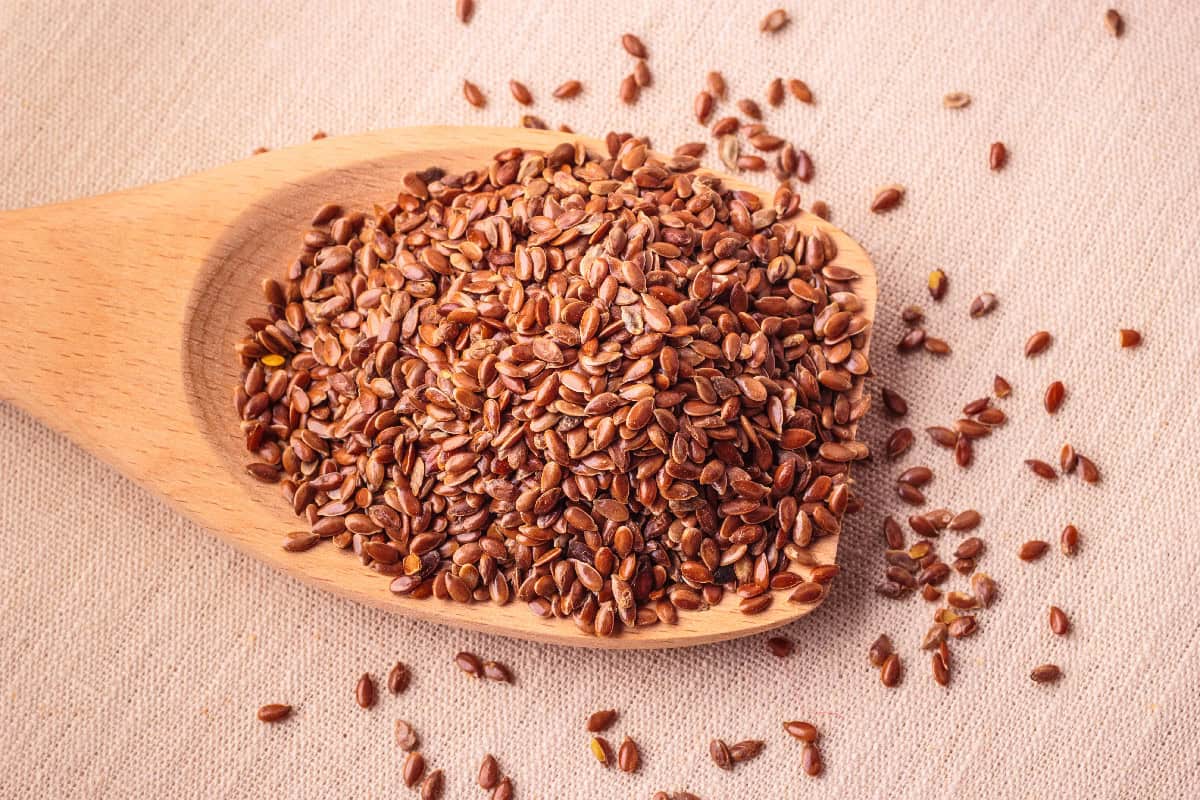
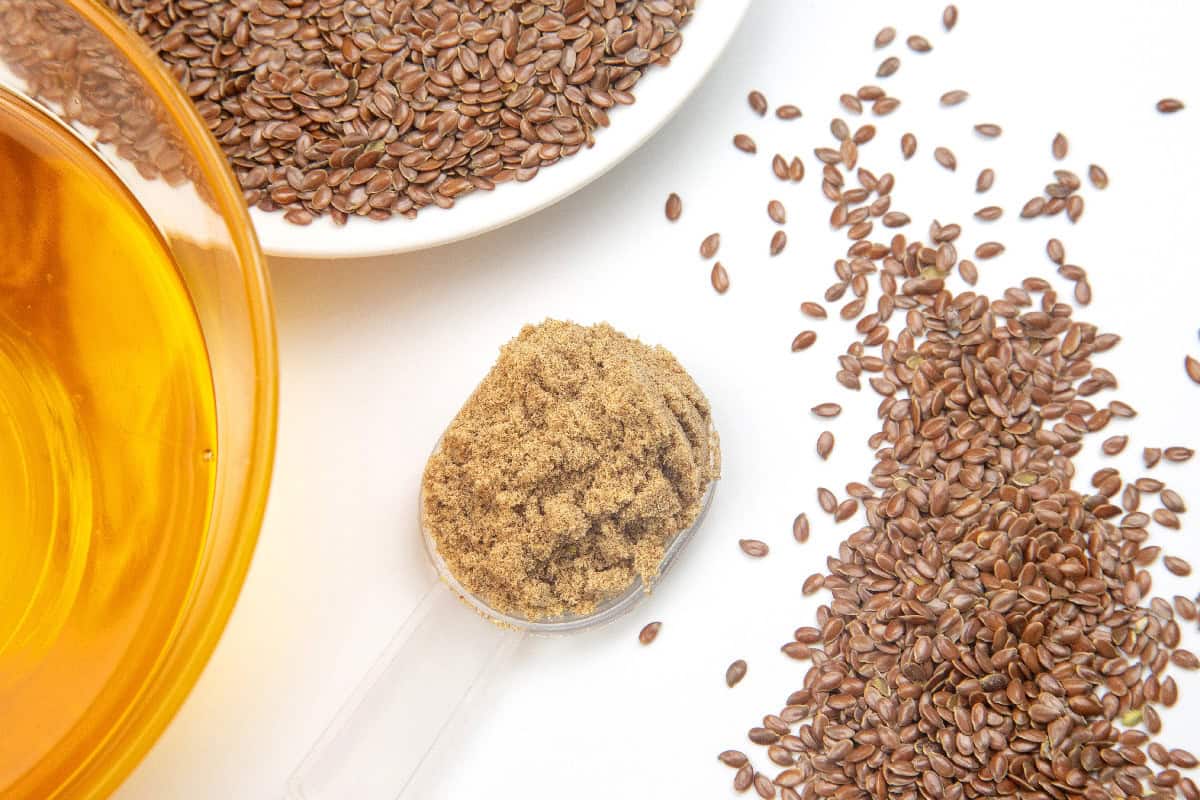
If you enjoy baking, flaxseed is one of those ingredients that's worth keeping in the pantry. Mixed with a little water, ground flaxseed forms a thick gel that acts as an excellent binder.
It's especially dependable in cookies, muffins, pancakes, and quick breads, where you want everything to hold together without changing the flavor very much. It also adds a little extra fiber and plant protein, which is always a nice bonus.
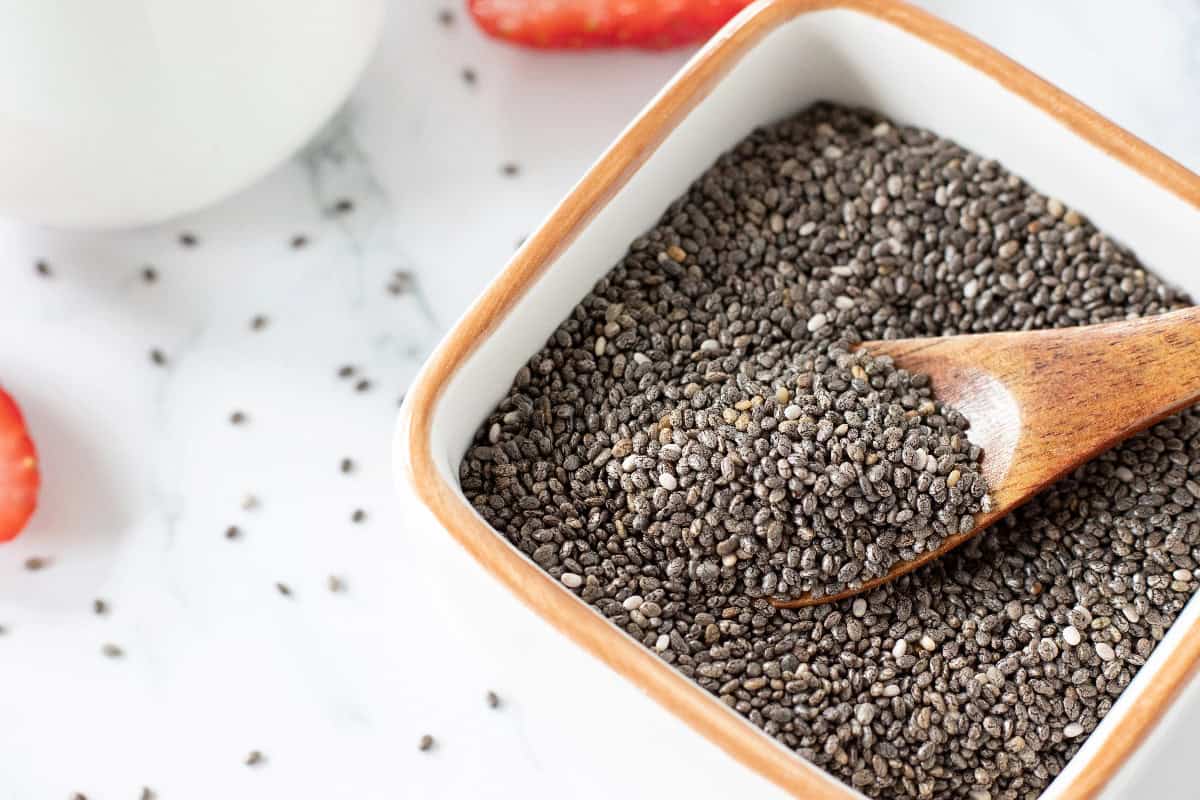
Chia seeds work in much the same way, although they create a slightly thicker gel than flaxseed. I usually reach for chia when making heartier baked goods because it gives them a little more structure while still keeping them moist. Since chia has a fairly mild taste, it blends into most recipes without drawing attention to itself.
For cakes and muffins that need extra moisture, unsweetened applesauce is hard to beat. It creates a soft crumb and works especially well in recipes with warm spices like cinnamon or nutmeg. Mashed banana is another popular choice, although its natural sweetness comes through a little more. That's wonderful in banana bread or breakfast muffins but not always ideal for every dessert.
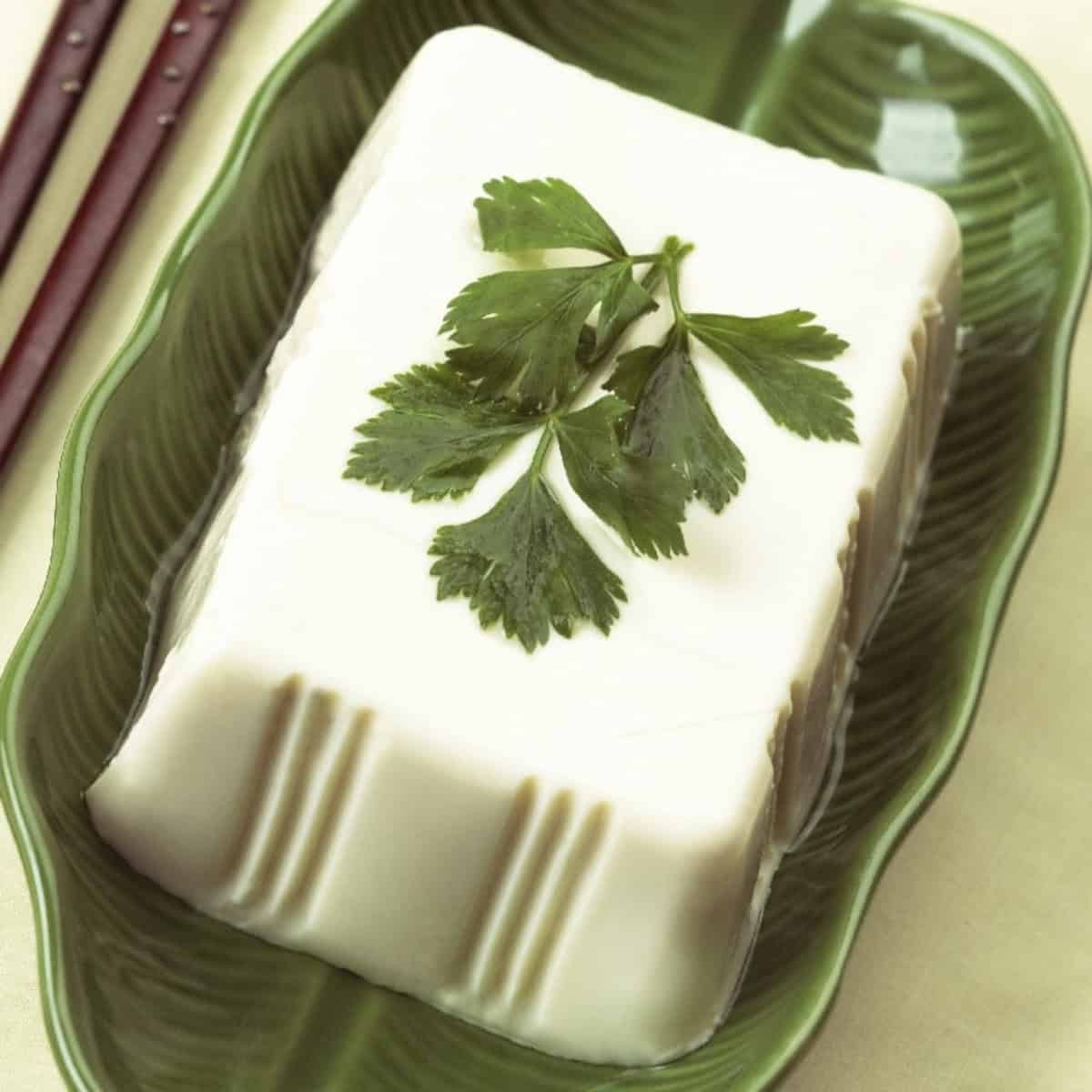
Silken tofu might not be the first ingredient that comes to mind, yet it's one of the most versatile vegan egg alternatives around. Blended until smooth, it creates a creamy consistency that's perfect for brownies, cheesecakes, puddings, and other rich desserts. Because its flavor is so mild, most people would never guess it's there.
Another favorite among vegan bakers is aquafaba, the liquid from a can of chickpeas. It might sound unusual, but it can be whipped into fluffy peaks much like egg whites. That makes it a game changer for recipes like meringues, mousses, and delicate desserts that once seemed impossible to make without eggs.
Of course, homemade options aren't the only choice anymore. Grocery stores now carry an impressive variety of vegan egg products and powdered egg replacement mixes. Many are made with mung beans or other plant proteins and are formulated specifically for baking or breakfast dishes. They're convenient, consistent, and especially helpful if you're new to cooking without eggs.
The Best Vegan Egg Substitute for Breakfast
Replacing eggs in baked goods is one thing. Replacing them at breakfast can feel like a much bigger challenge because eggs are often the main event.
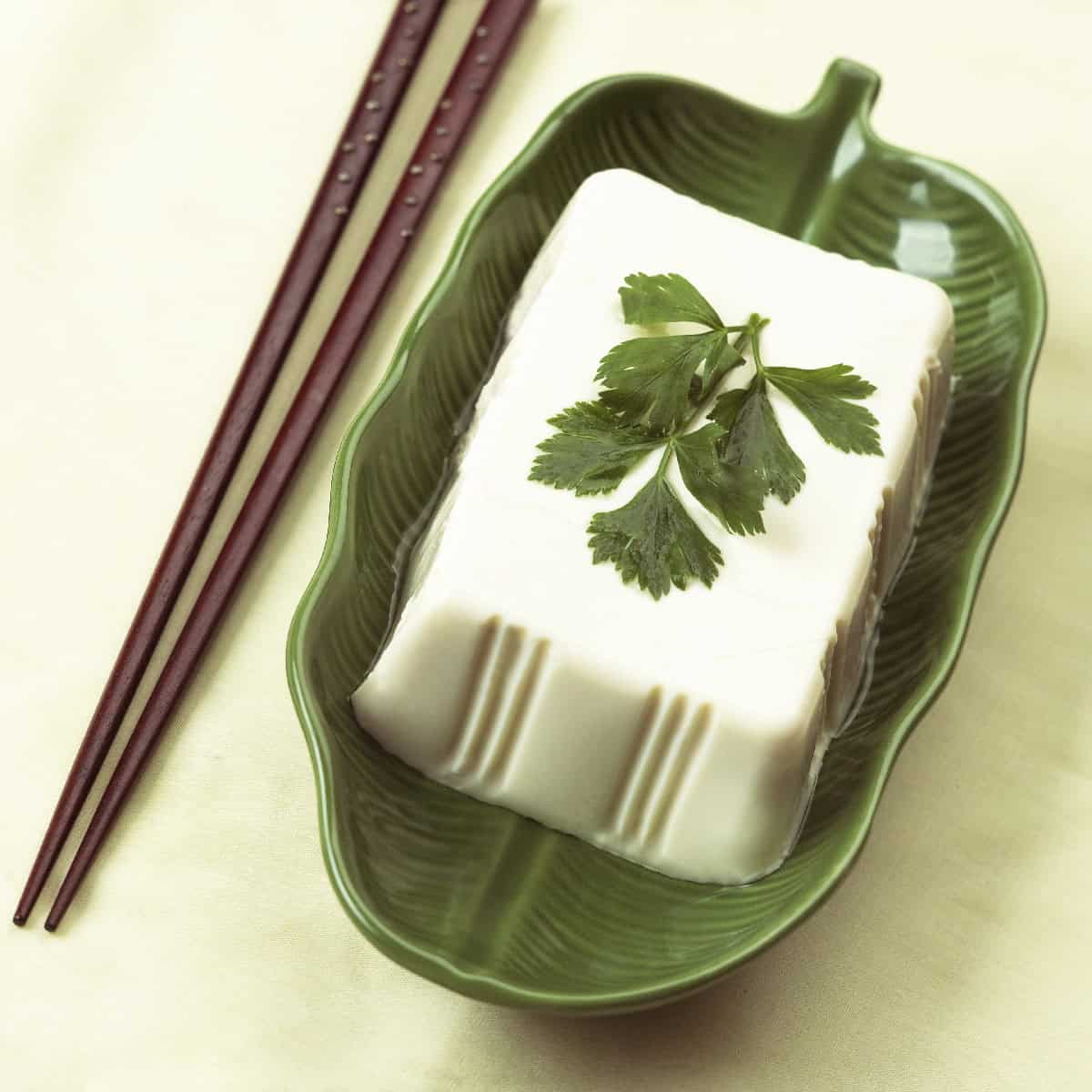
That's where tofu scramble really shines. If you've never tried it before, don't think of it as an imitation that falls short. It's delicious in its own right. Crumbled firm tofu has a surprisingly satisfying bite, and once it's seasoned with turmeric, nutritional yeast, garlic powder, and black salt (kala namak), it develops the familiar color and savory aroma many people associate with scrambled eggs.
I actually keep tofu in the refrigerator more often than eggs these days because it's so versatile. Besides making a quick vegan breakfast, it works in fried rice, breakfast burritos, grain bowls, wraps, and sandwiches, making it one of the most practical ingredients in a plant-based kitchen.
Commercial plant-based eggs are another great option if you're looking for something that cooks more like traditional eggs. Most pour straight from the carton, scramble beautifully, and can even be used in omelets or breakfast sandwiches. They're usually more expensive than homemade alternatives, but they offer convenience and a texture that's remarkably close to the real thing.
One ingredient that's often overlooked is chickpea flour. Mixed with water and seasonings, it creates savory pancakes and omelets that are packed with protein. While the flavor is different from eggs, it's hearty, satisfying, and well worth trying if you're looking to expand your breakfast routine.
How to Choose the Right Egg Substitute
The easiest way to choose a plant-based egg substitute is to think about what the egg is supposed to do in your recipe. Is it binding the ingredients together? Adding moisture? Creating a light, fluffy texture? Once you answer that question, narrowing down the best option becomes much simpler.
For everyday baking, flaxseed is usually my first choice because it's inexpensive, easy to prepare, and works well in cookies, muffins, pancakes, and quick breads. Chia seeds are another reliable option if you want a little more structure.
When I'm making something creamy like brownies or cheesecake, I prefer silken tofu because it blends smoothly into the batter without changing the flavor. If the recipe depends on whipped egg whites, aquafaba is hard to beat. Also, for breakfast dishes, tofu scramble or a commercial vegan egg product usually delivers the closest experience to traditional eggs.
You don't need to stock every substitute on this list. Keeping just two or three favorites in your kitchen will cover most recipes you'll make.
Homemade vs. Store-Bought Egg Replacements
Homemade substitutes are still my go-to for everyday cooking. Ingredients like flaxseed, chia seeds, applesauce, banana, and tofu are affordable, easy to find, and often provide extra fiber or plant protein along with their ability to replace eggs.
Store-bought plant-based eggs have become much more common in recent years and are a convenient option when you want something that cooks and looks more like traditional eggs. They work especially well for breakfast dishes, scrambles, and recipes where consistency is important.
I usually keep pantry staples on hand for baking and save commercial products for occasions when I want a quicker, more familiar result.
Common Mistakes When Using a Plant-Based Egg Substitute
One of the biggest mistakes is assuming every substitute works the same way. Applesauce is excellent for adding moisture, but it won't provide the same structure as a flax egg. Likewise, mashed banana can make baked goods wonderfully soft, but its natural sweetness isn't a good match for every recipe.
Another easy mistake is rushing the process. Flaxseed and chia seeds need a few minutes after mixing with water to form a thick gel. Skipping that step can affect how well they bind the ingredients together.
If you're making tofu scramble, don't overlook black salt (kala namak). Its naturally sulfurous aroma is what gives tofu that familiar egg-like flavor. It's a small ingredient, but it makes a noticeable difference.
Finally, don't expect every substitute to taste exactly like eggs. Most egg alternatives are designed to replace the function of eggs rather than duplicate their flavor. Once you embrace each ingredient for its own strengths, cooking without eggs becomes much more enjoyable.
Final Thoughts
Finding the best plant-based egg substitute isn't about discovering one ingredient that does everything. It's about understanding which option works best for the recipe in front of you.
Flaxseed and chia are dependable for baking, silken tofu creates rich and creamy desserts, aquafaba shines in recipes that call for whipped egg whites, and tofu scramble makes a satisfying vegan breakfast. Before long, choosing the right egg replacement becomes second nature.
If you're just getting started, don't be afraid to experiment. After trying a few different substitutes, you'll quickly discover the ones that fit your cooking style and become staples in your own kitchen.
FAQ
The best substitute depends on the recipe. Flaxseed works well for cookies and muffins, silken tofu is ideal for creamy desserts, aquafaba replaces whipped egg whites, and tofu scramble or commercial vegan egg products are great for breakfast.
Ground flaxseed, chia seeds, applesauce, mashed banana, and silken tofu can all replace one egg in many baked goods. Choose the substitute based on whether you need binding, moisture, or a lighter texture.
For a hearty vegan breakfast, tofu scramble remains one of the most popular choices because it's versatile, satisfying, and high in plant protein. Commercial plant-based eggs are another convenient option.
Whole-food substitutes like flaxseed, chia seeds, and tofu provide fiber and plant protein while containing no cholesterol. Store-bought products vary by brand, so it's worth checking the nutrition label if you have specific dietary preferences.
Not usually. Cakes, cookies, pancakes, brownies, and savory dishes all rely on eggs differently. Using the right egg replacement for each recipe will give you the best results.



Leave a Reply