
Gardening doesn't have to cost a fortune to be rewarding. With a few smart gardening secrets and creative choices, you can grow a thriving garden full of plants, food, and color while spending very little. From seed saving and swapping to soil-building tricks and companion planting, these budget-friendly strategies help you enjoy gardening without overspending.
Jump To
- Getting Started on a Budget
- Visit the Cooperative Extension Service for Free Help
- Save Money on Gardening Tools and Supplies
- Swapping: The Budget Gardener's Secret Weapon
- Use Seed Libraries
- Take Budget Gardening to the Next Level
- Perennial Plants: Long-Term Garden Savings
- Smart Seasonal Plant Buying
- Learn Your Garden Conditions
- Time to Get Growing
- YOU MAY ALSO LIKE
Like everything else these days, the cost of growing vegetables and flowers is rising. But a beautiful home garden is still possible on a tight budget. These practical gardening hacks and easy gardening tips show how to grow more while spending less.
Getting Started on a Budget
Starting a garden can feel overwhelming, especially when you're trying to save money. The key is to plan your garden planting early and choose plants that naturally thrive in your conditions. These simple tips make starting a garden easier and more cost-effective.
Grow Native Plants
When you choose plants native to your region, you select plants adapted to local weather and soil. Native plant choices reduce watering, fertilizing, and maintenance, making gardening easier and more affordable over time.
Visit the Cooperative Extension Service for Free Help
Did you know you can get free gardening advice? Contact your local Cooperative Extension Service to learn about free or low-cost gardening classes and clinics.
Beyond food preservation, extension agents provide zone-specific plant guidance, pest solutions, and soil recommendations. They may even have master gardeners who can evaluate your garden conditions and suggest improvements, all at little or no cost.
Save Money on Gardening Tools and Supplies
Buying starter plants can be expensive. Starting plants from seed is one of the biggest gardening secrets for saving money. Seeds cost far less than nursery plants and allow you to grow many more plants in your vegetable garden or flower beds.
Look for free or cheap containers and tools in unexpected places:
- Recycling centers
- Gardening clubs
- Buy-nothing groups
- Yard sales
- Thrift stores
Everyday household items, yogurt cups, food containers, or old mugs, can become seed pots for growing plants. Clean them well before planting to protect soil health and roots.
Swapping: The Budget Gardener's Secret Weapon
Plant swapping is one of the most effective gardening hacks for expanding your garden without spending money. Sharing plants, seeds, or harvests builds community while increasing garden variety.
Swap Seeds
Seed packets often contain far more seeds than one gardener needs. Trading extra seeds lets you grow new plants for free and diversify your garden planting each season.
Swap Plants
Too late for seed swaps? Trade young plants instead. Growing a few extra seedlings gives you barter material for new varieties while keeping gardening costs low.
Crop Swapping
If swaps happen after planting, try crop exchanges. Grow what thrives in your soil and trade excess harvest with neighbors for foods you can't easily grow.
Dan Morris of Fire and Saw explains how he makes this tip work for him:
"Grow what works and swap for what doesn't. I'm known as the potato, tomato, and chili man in our community because I never fail to produce a massive harvest of these crops. However, I can't grow a strawberry, a cucumber, or an onion."
Use Seed Libraries
Seed libraries, often hosted in public libraries, offer free seeds to gardeners. These programs promote biodiversity, reduce monoculture, and support local food growing, all while helping gardeners save money each season.
Take Budget Gardening to the Next Level
Saving money in gardening doesn't stop after planting. Soil care, pest control, and moisture retention all affect long-term gardening costs. These advanced gardening tips keep your garden productive without expensive products.
Compost for Healthy Soil
Learning to compost at home is a major money-saving secret. Compost improves soil structure, feeds roots, and supports strong plant growth without the need for purchased fertilizers.
Extension services often offer composting workshops, another free resource for gardeners.
Use Companion Planting Instead of Chemicals
Instead of buying pesticides, use natural pest control through companion planting.
Examples:
- Marigolds near vegetables deter pests
- Onions repel root maggots
- Herbs attract beneficial insects
Companion planting protects plants, improves soil balance, and supports healthier garden ecosystems.
DIY Pest Control
Simple homemade pest controls are effective and inexpensive.
- Soapy water spray removes insects
- Hand-picking removes larger pests
- Beer traps attract slugs and snails
To make a slug trap, bury a shallow dish in soil and fill it with beer overnight. Slugs gather inside by morning.
Mulch with Free Materials
Use grass clippings, leaves, or straw as mulch to cover soil. Mulch retains moisture, protects roots, and suppresses weeds, reducing watering time and effort.
Perennial Plants: Long-Term Garden Savings
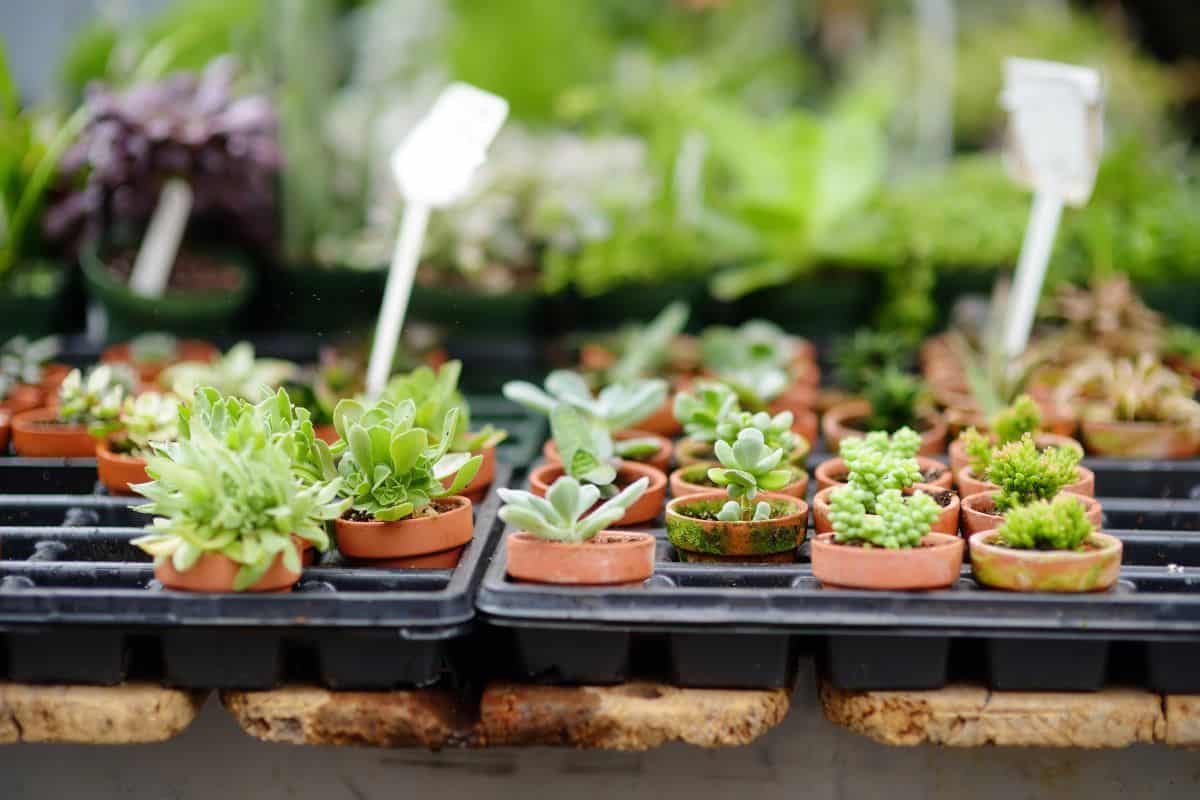
If you want flowers year after year, choose perennial plants instead of annuals. Perennials return each season, eliminating the need to buy new plants annually.
As perennials mature, you can divide them to create additional plants for free - expanding your garden without new purchases.
Smart Seasonal Plant Buying
If you must buy plants, wait until late season. Garden centers discount plants as the season ends, making it easier to afford perennials or annuals that were previously expensive.
Learn Your Garden Conditions
Understanding your garden's sunlight, soil type, and pest patterns helps you choose the right plants and avoid wasted money. Local gardening classes and observation over time naturally build this knowledge.
Time to Get Growing
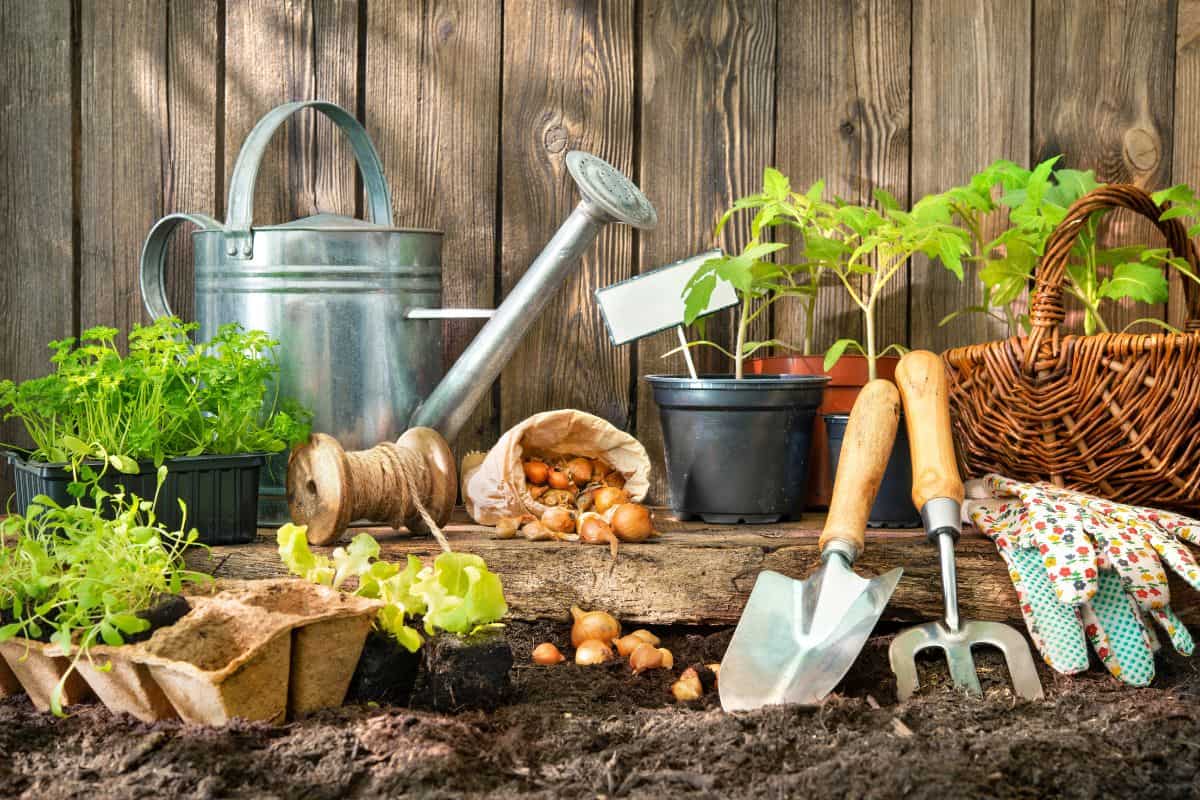
Dirt-cheap gardening secrets make it possible to grow a lush vegetable garden or flower garden without overspending. By swapping plants, composting, using companion planting, and choosing perennials, you can create a thriving garden on a small budget.
These sustainable gardening strategies reduce costs, support healthy soil and roots, and make gardening accessible for everyone who loves growing plants and food at home.




Leave a Reply