
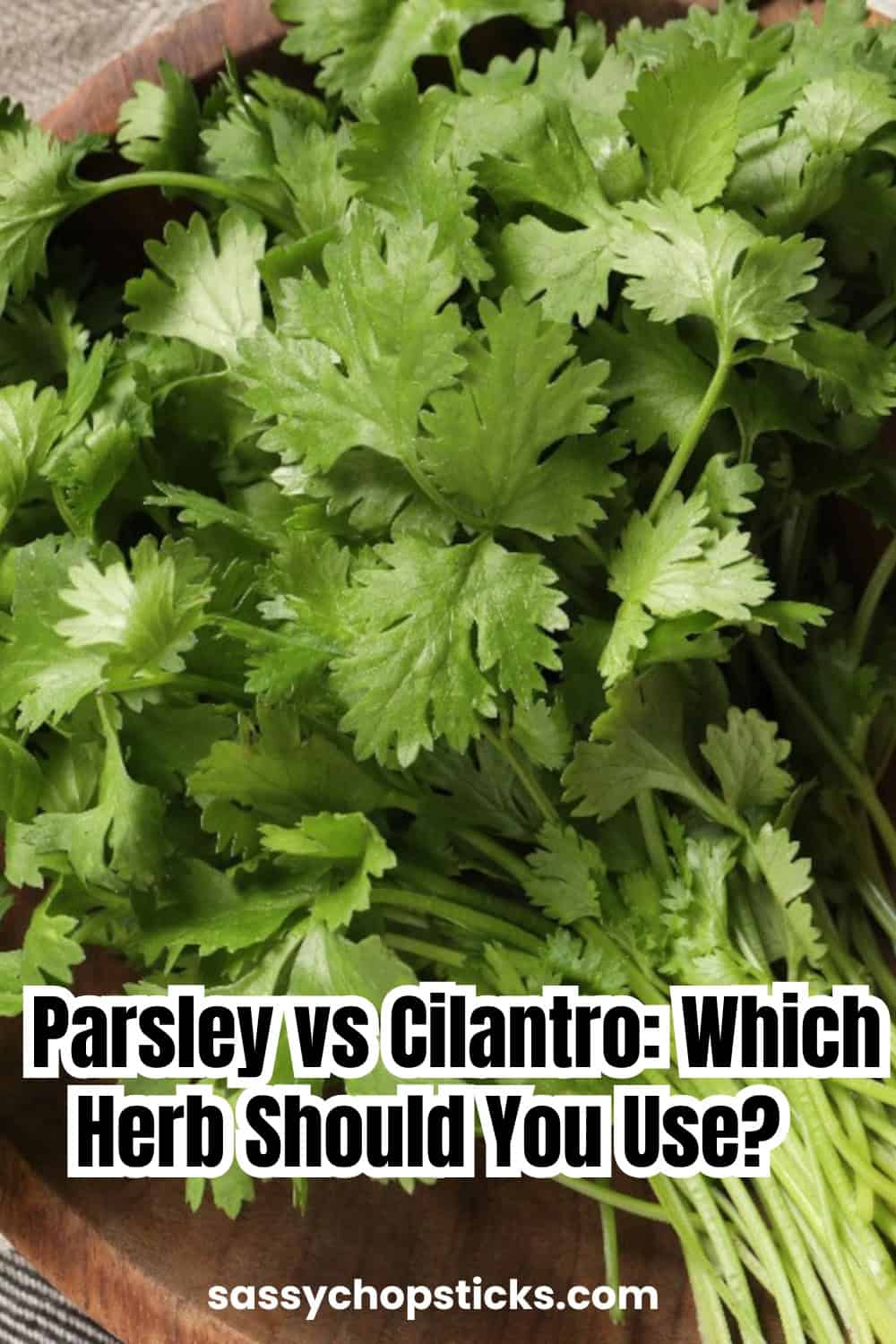
If you've ever stood in the produce aisle staring at two bunches of bright green herbs and wondering whether to grab parsley or cilantro, you're definitely not alone.
At first glance, these leafy herbs can look surprisingly similar, especially when they're sold fresh with their stems attached. Yet once you bring them home and start cooking, you'll quickly discover that parsley and cilantro offer completely different flavors, aromas, and culinary uses.
Jump To
- What Is Parsley?
- What Is Cilantro?
- Parsley vs Cilantro Taste: How Do They Compare?
- Parsley vs Coriander vs Cilantro: Are They the Same?
- Italian Parsley vs Cilantro
- Parsley vs Cilantro Nutrition and Health Benefits
- Can You Substitute Parsley for Cilantro?
- How to Store Fresh Parsley and Cilantro
- Which Herb Should You Choose?
- Final Thoughts
- FAQ
- You May Also Like
The parsley vs cilantro debate comes up often among home cooks because both herbs appear in countless recipes around the world. Whether you're making a hearty soup, a fresh salad, a flavorful sauce, or a vegetable-packed grain bowl, choosing the right herb can dramatically change the final taste of your dish.
In this guide, we'll explore the difference between parsley and cilantro, their flavor profiles, nutritional value, health benefits, and the best ways to use and store them.
What Is Parsley?
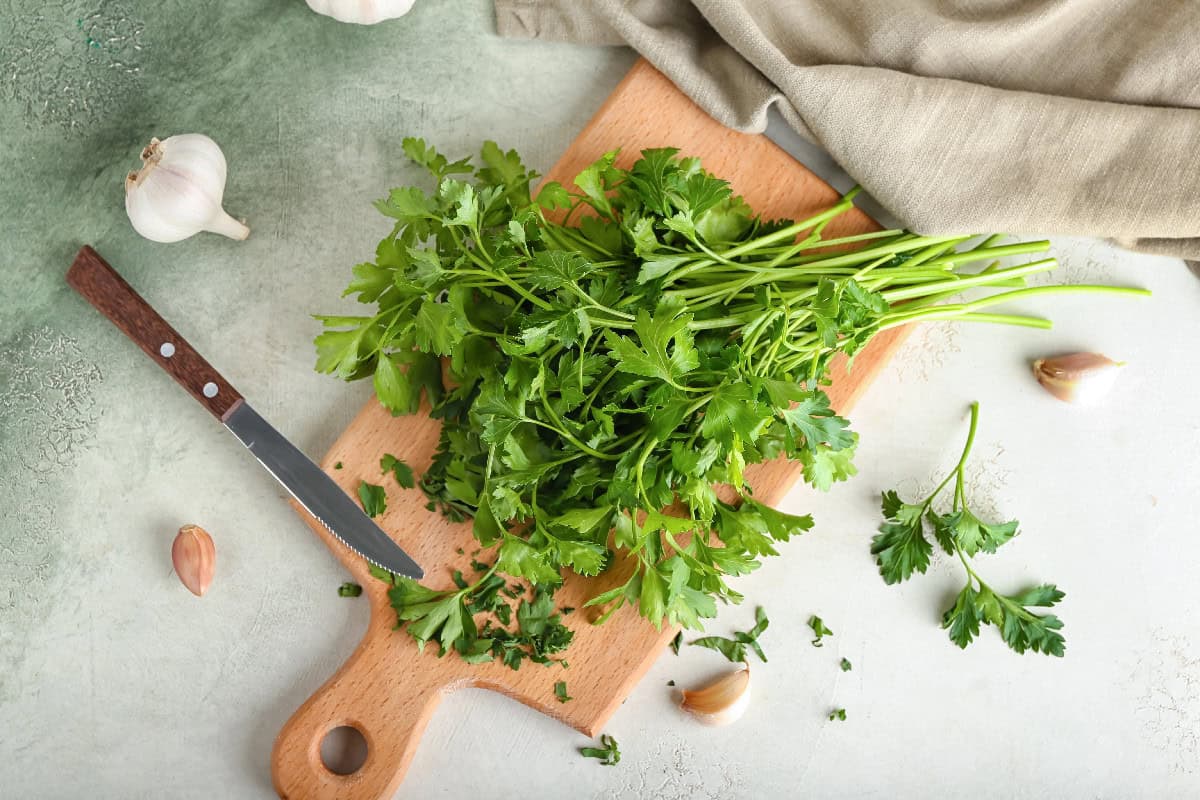
Parsley is a popular herb native to the Mediterranean region and is widely used in European, Middle Eastern, and American cooking. The most common varieties are curly parsley and Italian parsley, also known as flat-leaf parsley.
Italian parsley has broad, flat leaves and a stronger flavor than curly parsley. Many chefs prefer it because it's easier to chop and incorporate smoothly into recipes.
Parsley offers a clean, mild peppery flavor with subtle earthy notes. It enhances dishes without overpowering other ingredients, making it one of the most versatile herbs in the kitchen. You'll often find fresh parsley sprinkled over pasta, soups, roasted vegetables, grain dishes, and salads.
What Is Cilantro?
Cilantro comes from the coriander plant. In North America, the fresh leaves and stems are called cilantro, while the seeds are known as coriander. This naming convention often creates confusion when discussing parsley vs. coriander.
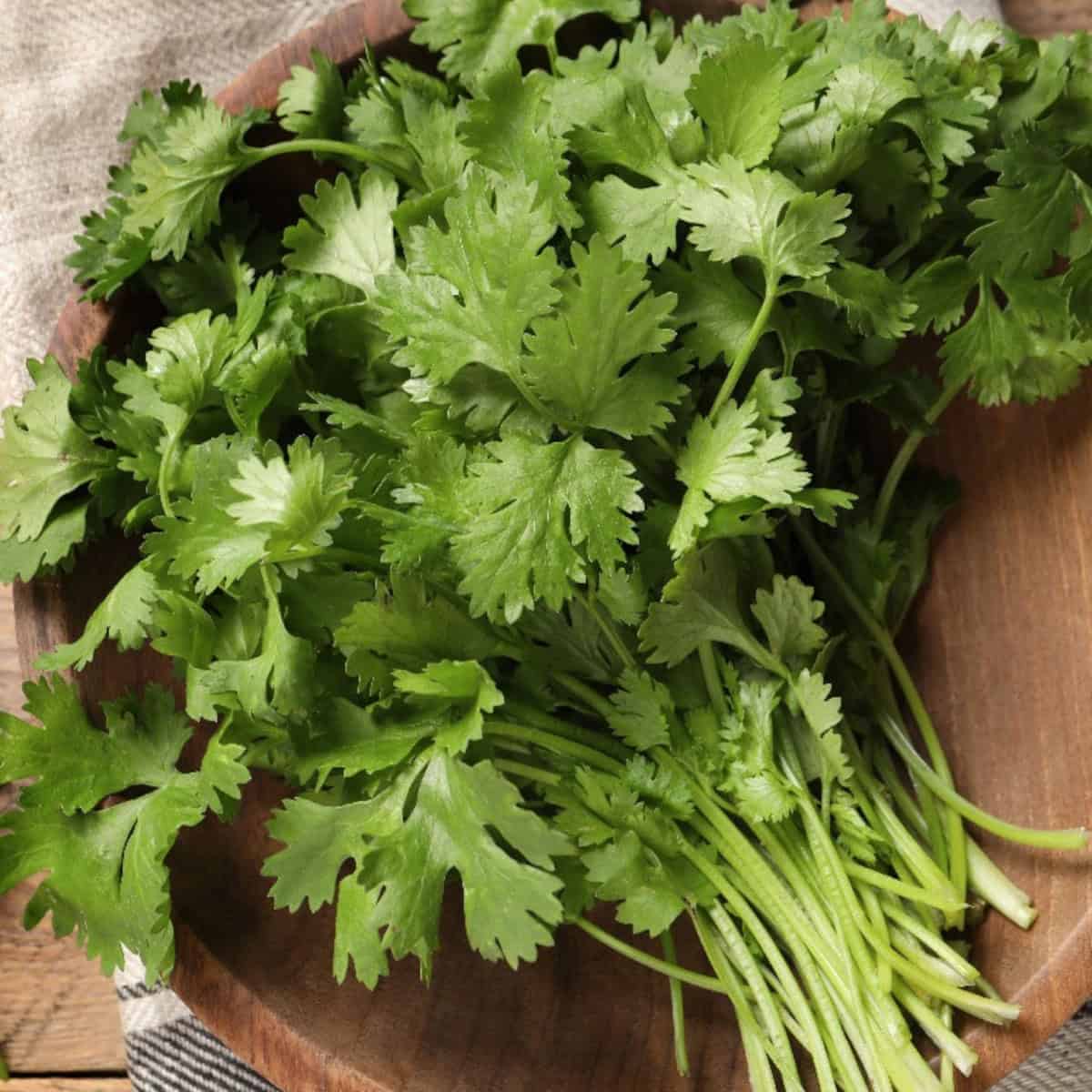
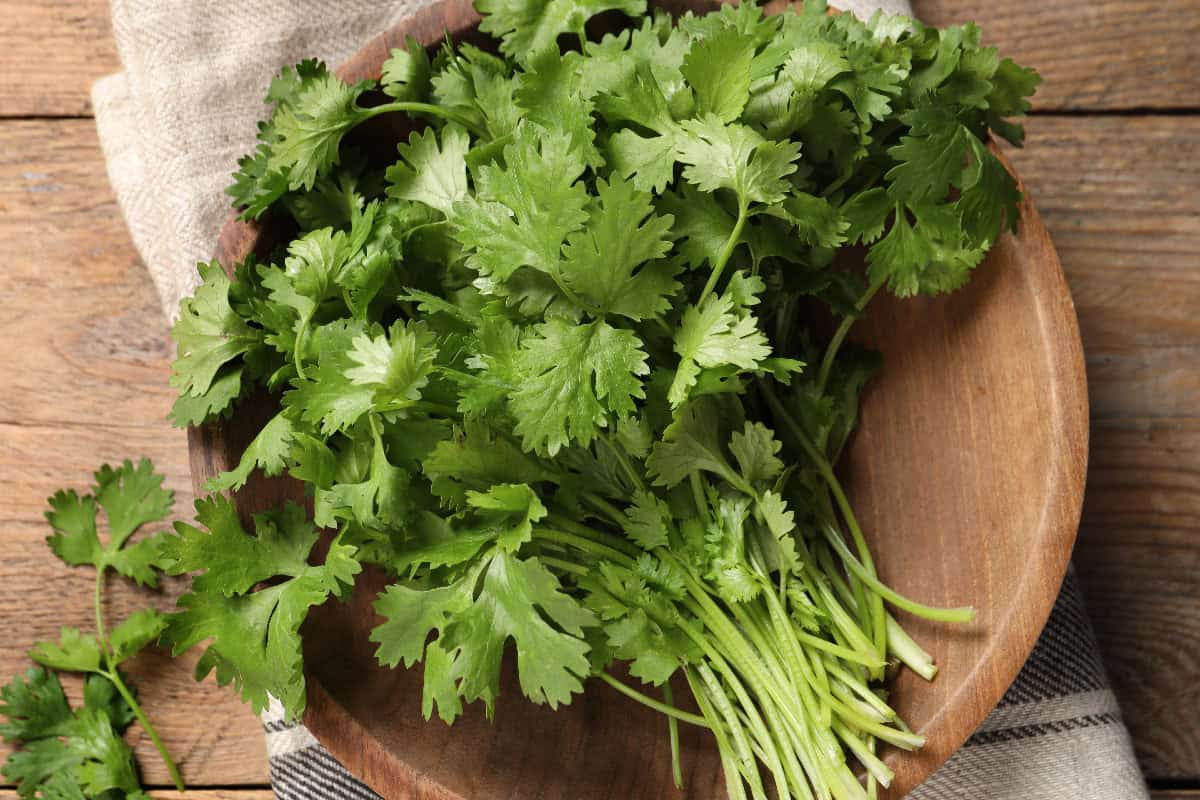
Cilantro has delicate, rounded leaves and a bold, distinctive flavor. Some people describe its taste as citrusy and refreshing, while others perceive a soapy flavor due to genetic differences in taste receptors. This unique reaction has sparked countless discussions across social media and cooking communities.
Because of its bright flavor, cilantro is commonly used in Mexican, Latin American, Indian, Thai, Vietnamese, and Chinese cuisines. Fresh cilantro often appears in salsa, curries, tacos, noodle dishes, and rice recipes.
Parsley vs Cilantro Taste: How Do They Compare?
The biggest difference between cilantro and parsley is flavor.
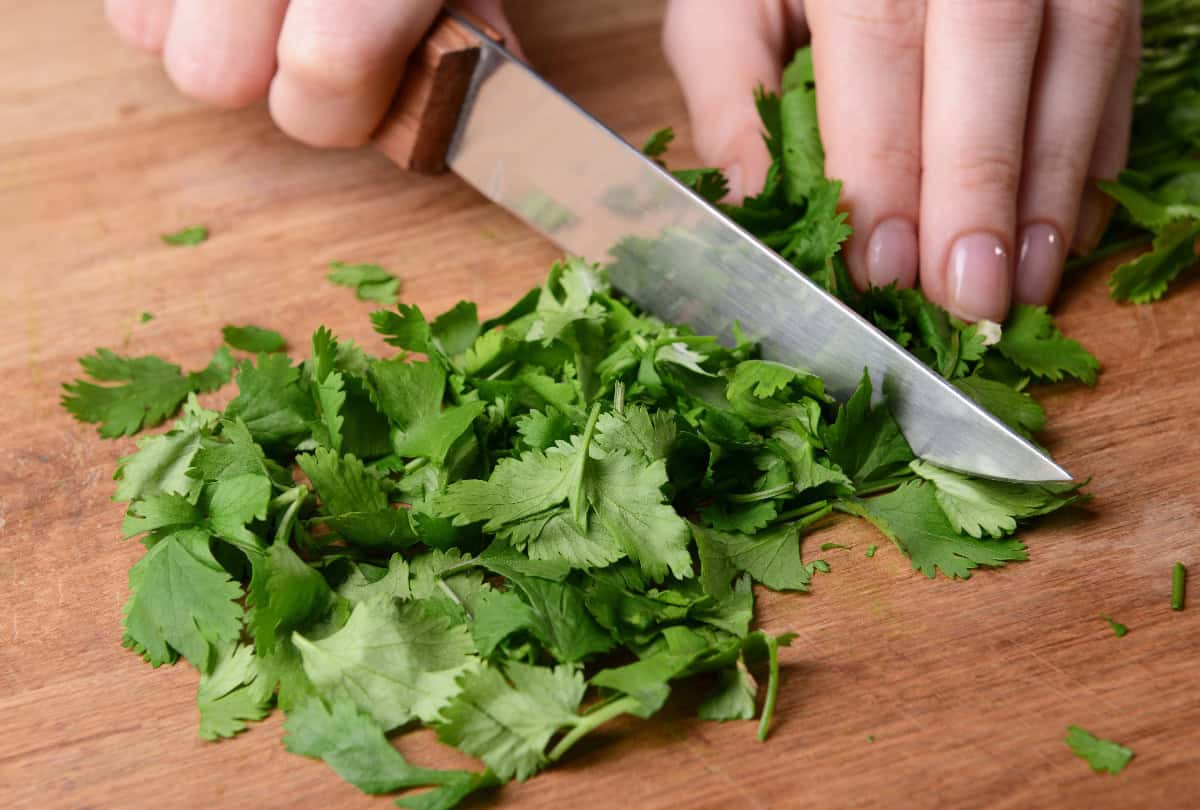
Parsley has a fresh, grassy, slightly peppery taste that complements a wide variety of foods. Its mild nature makes it easy to add generously to recipes without overwhelming the dish.
Cilantro delivers a much stronger flavor. It has bright citrus notes and an aromatic quality that immediately stands out. In dishes where cilantro is featured, it often becomes a defining ingredient rather than a subtle garnish.
When discussing the taste of cilantro vs. parsley, there isn't necessarily a winner. The best choice depends on the recipe and your personal preference. If you're looking for a gentle herbal note, parsley may be the better option. If you want a bold, vibrant flavor, cilantro often shines.
Parsley vs Coriander vs Cilantro: Are They the Same?
One of the most common questions people ask is: Is parsley the same as cilantro?
The short answer is no.
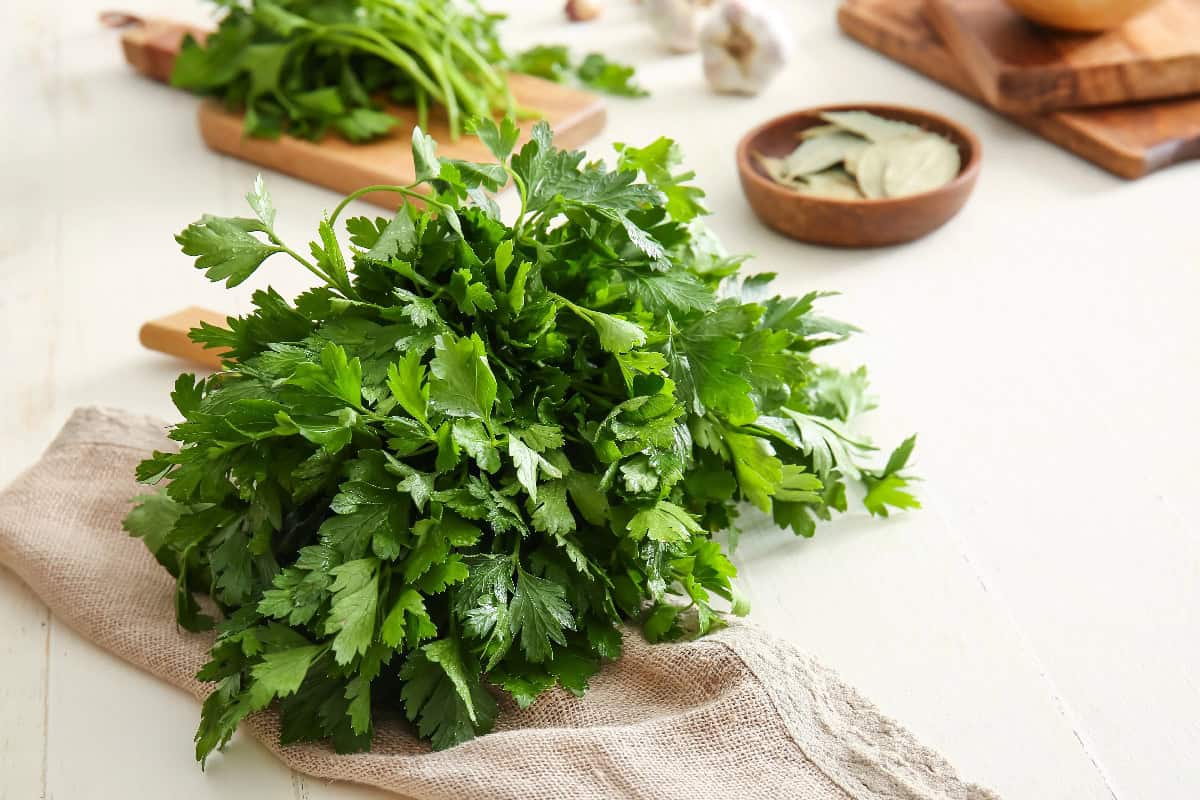
Parsley and cilantro belong to the same botanical family, which explains why they look somewhat alike. However, they are entirely different plants with distinct flavors and culinary applications.
The confusion increases when coriander enters the conversation. In many countries, the term coriander refers to the entire plant, including both leaves and seeds. In the United States and Canada, however, cilantro refers specifically to the leaves and stems, while coriander refers to the dried seeds.
So, if you're wondering about parsley vs coriander, cilantro vs parsley, or parsley vs cilantro vs coriander, remember that parsley is one herb, while cilantro and coriander come from the same plant.
Italian Parsley vs Cilantro
Italian parsley vs cilantro is another comparison that often comes up because flat-leaf parsley closely resembles cilantro in appearance.
Although the leaves can look similar, a quick smell test reveals the difference immediately. Italian parsley has a mild, fresh aroma, while cilantro releases a strong citrus-like scent.
If a recipe calls for cilantro, Italian parsley is generally not a perfect substitute because the flavor profiles are so different. However, if someone dislikes cilantro's distinctive taste, Italian parsley can provide a fresh herbal element without dominating the dish.
This is why many people ask questions like "Is Italian parsley cilantro?" or "Cilantro vs. Italian parsley." The answer is simple: they are different herbs with unique culinary roles.
Parsley vs Cilantro Nutrition and Health Benefits
Both parsley and cilantro offer impressive health benefits and contribute valuable nutrients to your diet.
Parsley is rich in vitamins K, C, and A, as well as antioxidants. It also contains compounds that may support bone health and overall wellness. Adding fresh parsley to recipes is an easy way to increase nutrient intake without adding many calories.
Cilantro contains antioxidants, vitamins, and beneficial plant compounds as well. Some studies suggest cilantro may support healthy digestion and contribute to overall health. Its fresh leaves also provide small amounts of important vitamins and minerals.
When comparing parsley vs cilantro health benefits, both herbs are nutritious choices. Rather than choosing one over the other, many people enjoy incorporating both into their meals.
Can You Substitute Parsley for Cilantro?
Whether you can substitute parsley for cilantro depends on the recipe.
For dishes where herbs play a supporting role, such as soups, salads, or grain bowls, parsley can often replace cilantro successfully. In fact, parsley vs cilantro for soup is a common consideration because both herbs can add freshness to brothy dishes.
However, recipes that rely heavily on cilantro's signature flavor may not taste the same when parsley is used instead. Examples include salsa, guacamole, many curries, and certain noodle dishes.
Similarly, parsley vs cilantro for chimichurri is worth considering. Traditional chimichurri typically uses parsley as the primary herb. Replacing it entirely with cilantro creates a different but equally delicious sauce.
How to Store Fresh Parsley and Cilantro
Keeping herbs fresh can significantly extend their usefulness in the kitchen.
To store parsley or cilantro, trim the stems slightly and place them in a jar with a small amount of water. Cover the leaves loosely with a plastic bag and refrigerate them.
You can also wrap the herbs in a slightly damp paper towel and place them in a storage container. This method helps maintain moisture without making the leaves soggy.
Always wash herbs just before using them, not before storage, as excess water can shorten their shelf life.
Which Herb Should You Choose?
When deciding between parsley and cilantro, think about the flavor profile you want in your dish.
Choose parsley when you want a mild, versatile herb that blends seamlessly with other ingredients. It's excellent for soups, pasta dishes, roasted vegetables, salads, and Mediterranean-inspired recipes.
Choose cilantro when you want a bold, citrusy flavor that stands out. It's perfect for Mexican, Asian, Indian, and Latin American dishes, where its distinctive flavor contributes to the overall character of the dish.
Ultimately, parsley and cilantro each bring something special to the table. Rather than viewing them as competitors, it's helpful to think of them as two unique herbs that serve different purposes in cooking.
Final Thoughts
The parsley vs cilantro comparison isn't about deciding which herb is better-it's about understanding when to use each one. Parsley adds a mild, fresh flavor that complements many dishes, while cilantro brings a bright, citrusy note that can transform a recipe.
Whether you're making soup, chimichurri, tacos, salads, or vegetable dishes, knowing the difference between parsley and cilantro can help you cook with more confidence. Keeping both herbs on hand gives you greater flexibility in the kitchen and allows you to experiment with a wider range of flavors.
FAQ
No. Parsley and cilantro are different herbs, although they belong to the same plant family and can look similar when fresh.
No. Cilantro has a stronger, citrusy flavor, while parsley has a milder, slightly peppery taste.
Parsley is a separate herb. Coriander usually refers to the seeds of the cilantro plant, though in some countries, coriander refers to the entire plant.
Yes, in some recipes. However, parsley will not replicate cilantro's distinctive flavor, so the final taste may be quite different.
Both herbs provide valuable nutrients and health benefits. Parsley is particularly rich in vitamin K, while cilantro offers antioxidants and beneficial plant compounds.
Look closely at the leaves and smell them. Cilantro leaves tend to be rounder and more delicate, while parsley leaves are usually more pointed. The aroma is the easiest clue; cilantro has a strong citrus-like scent, while parsley smells fresh and mild.


Leave a Reply