
Are you dreaming of a lush home garden filled with color and sweet fruit? Raspberry bushes are one of the most rewarding edible plants you can grow. These productive shrubs not only provide bowls of fresh berries, but they also create a charming, cottage-style look in any landscape.
Jump To
From classic red raspberries to deep-colored black raspberry types and golden selections, there's an incredible range of varieties to discover. Whether you're new to growing raspberries or already tending a mature raspberry patch, learning proper planting, care, and pruning will help your raspberry plants thrive for many years.
Understanding how raspberry bushes develop, from establishing canes in the first year to producing abundant fruit later, is the key to success. With the right soil, support, and full sun exposure, your raspberry bush can become a long-lasting highlight of your home garden.
So if you're ready to start growing sweet, sun-ripened raspberries, let's explore how to choose, plant, and care for these delicious perennial plants.
Choosing the right varieties
Selecting suitable raspberry varieties is one of the most important decisions when you plant raspberries. The best choice depends on your growing zone, climate, flavor preference, and available space in your home garden.
Explore different raspberry types
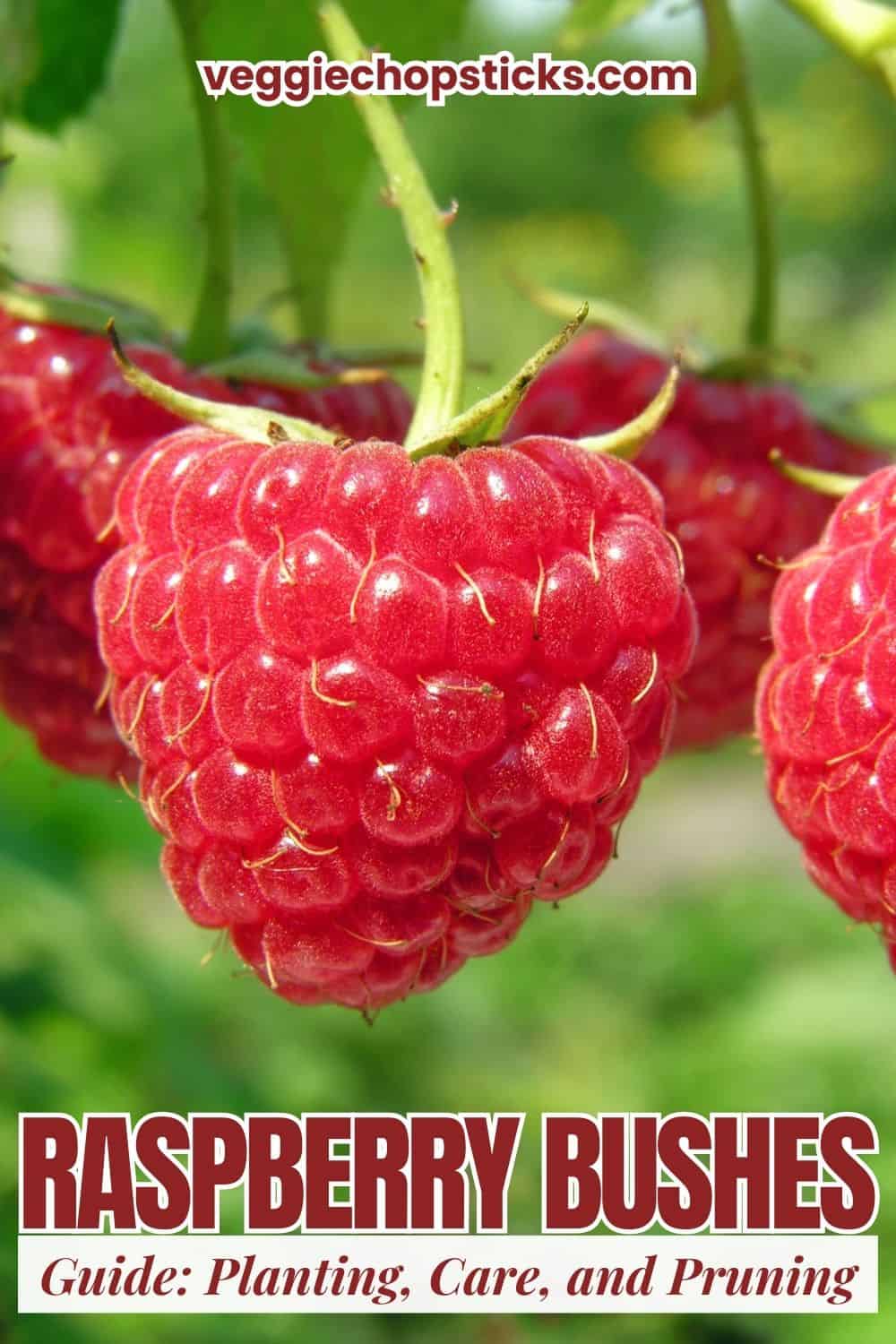
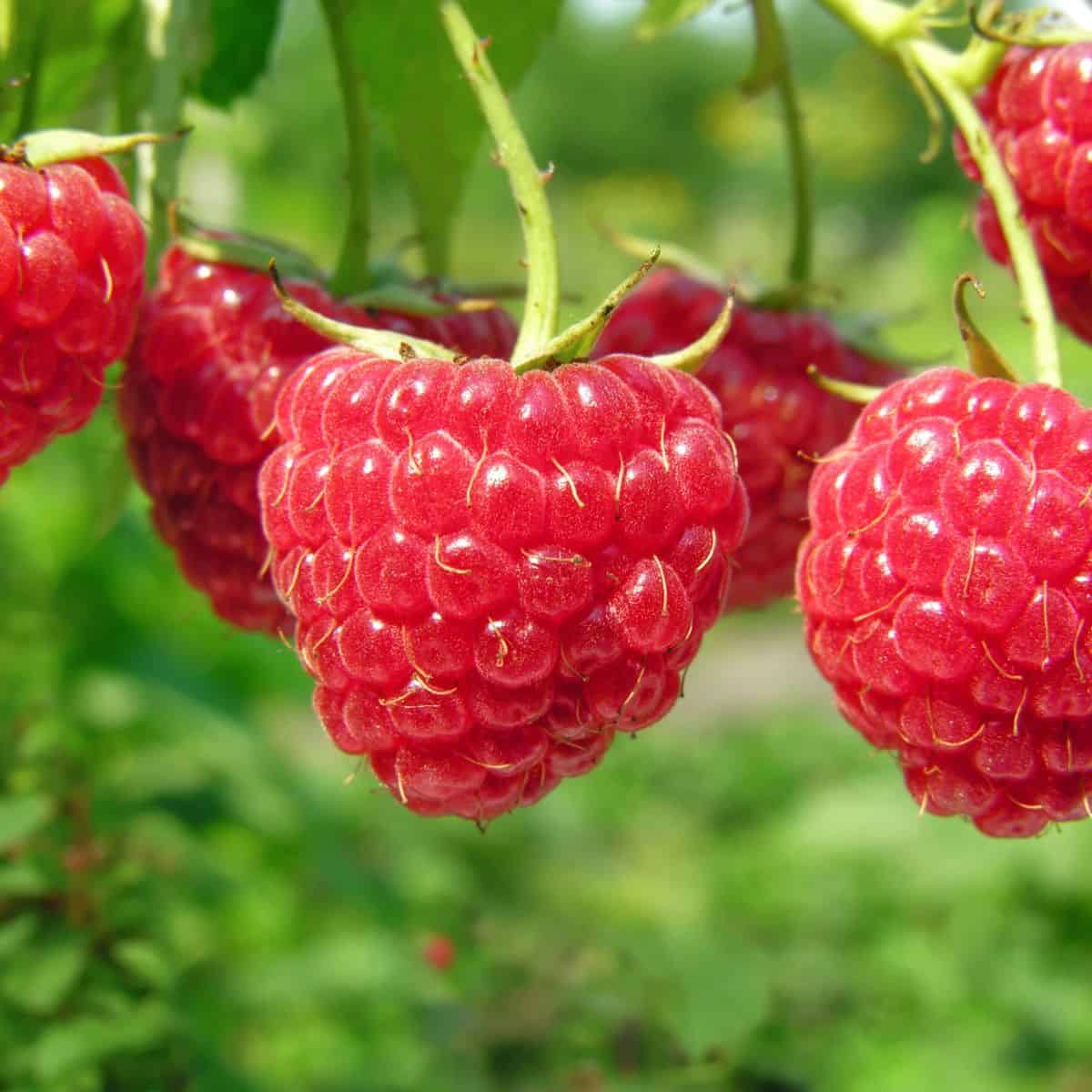
Red raspberries: The most widely grown raspberry, known for bright color and balanced sweetness. These reliable bearing raspberries are popular for fresh eating and desserts. Such as pavlova nests and cheesecake jars.
Black raspberry: Dark purple-black berries with rich flavor. Cultivars such as Bristol Black and Jewel Black are especially valued for their intense flavor and strong disease resistance. They make a beautiful topping for a soufflé cheesecake.
Yellow and golden types: Pale, honey-sweet raspberries that add visual interest and mild flavor to your harvest.
Factors to consider when selecting plants
- Hardiness zone / growing zone: Choose raspberry plants suited to your regional zone and winter temperatures.
- Disease-resistant varieties: Helpful for reducing maintenance and protecting long-term plant health.
- Growth habit: Upright or spreading canes affect spacing and support needs.
- Fruit size and yield: Some varieties produce larger berries, while others offer heavier harvest clusters.
With thoughtful selection, your raspberry plants will establish quickly and begin producing fruit after their first year of growth.
"Raspberries come in many varieties, you might be surprised! Pick the best for your zone and water the bush well until it takes to the new space. After that, they tend to be pretty hardy and don't need an extraordinary amount of water. However, do keep them contained with a bamboo support or in raised beds so they don't take over your space."
- Jessica Haggard, Primal Edge Health

Planting and establishing raspberry patches
Proper planting sets the foundation for vigorous raspberry bushes and long-term productivity. When you plant raspberries correctly, the plants establish faster and produce stronger canes.
Choose a sunny location
Select a site with full sun and well-drained soil. Avoid low spots where water collects, since excess moisture can damage raspberry plant roots. Adequate airflow also helps reduce disease during the growing season. You can even grow raspberries in pots or containers as part of a vertical garden, as long as their roots have enough room to spread.
Prepare the soil before planting
Loosen the soil deeply and remove weeds before setting in each raspberry plant. Adding compost improves drainage and supports healthy root development.
Spacing and planting depth
Space raspberry bushes about 2-3 feet apart in rows to allow room for spreading canes. Place each plant so roots are fully covered, but the crown sits at soil level.
Watering and mulching
Water thoroughly after planting and maintain consistent moisture during the first year. Apply organic mulch to conserve soil moisture and suppress weeds throughout the growing season.
Provide support
Many bearing raspberries develop tall, flexible canes that benefit from staking or trellising. Support keeps berries clean and improves airflow around the plants.
Harvest timing
Once established, your raspberry bushes will begin producing fruit annually, typically in summer or fall, depending on the type. Regular picking encourages continued harvest.
"Red raspberry bushes are very easy to grow. They do need a very sunny spot to become sweet. The big problem with raspberry bushes though is that they are very invasive and give underground shoots spreading quite far from the main plant. So it's better to grow them in a somewhat contained area."
- Tamara, Thriving In Parenting

Essential care tips for raspberry bushes
Consistent care keeps raspberry plants productive and healthy through each year and season.
Soil pH and feeding
Raspberry bushes prefer slightly acidic soil (pH 5.5-6.5). Feed plants in early spring before new canes begin active growing. Balanced fertilizer supports strong fruit production.
Weed control
Weeds compete with raspberry plants for nutrients and water. Maintain a clean bed by:
- Mulching around each raspberry bush
- Hand-removing unwanted plants
- Using safe controls if necessary
Water management
During dry periods of the growing season, water deeply to reach roots. Consistent moisture is especially important during berry formation.
Disease prevention
Healthy spacing and airflow help prevent common issues in raspberry bushes. Remove damaged or infected canes promptly and avoid wetting foliage late in the day.

Pruning techniques for strong canes and fruit
Pruning is essential for maintaining vigorous raspberry bushes and maximizing harvest. Understanding how year canes develop will guide proper timing.
Primocanes (first-year canes)
New canes formed in the first year are called primocanes. Lightly trimming encourages branching and future fruiting potential.
Floricanes (second-year canes)
Bearing raspberries produce fruit on second-year canes. After harvest, remove spent floricanes to make space for new growth.
Remove weak or crowded canes
Thin excess canes annually to improve sunlight and airflow. This keeps raspberry plants vigorous and productive.
Training and support
Trellising keeps raspberry bushes upright, prevents breakage, and exposes more berries to sunlight for better ripening.
With consistent pruning each winter or after summer harvest, your raspberry patch stays manageable and high-yielding.

Identifying and managing pests and diseases
Like many garden plants, raspberries can attract pests or develop disease. Early detection keeps raspberry bushes healthy.
Common pests include beetles and mites that damage leaves and berries. Inspect plants regularly during the growing season and remove affected parts.
Organic controls such as beneficial insects, barriers, or companion planting can help manage infestations without harming the home garden ecosystem.
Watch for disease symptoms such as powdery mildew or cane blight on canes and foliage. Prompt pruning and sanitation prevent the spread between raspberry plants.

Enjoy the harvest from your raspberry garden
With the right varieties, proper planting, and ongoing care, raspberry bushes reward gardeners with years of sweet fruit. Maintain healthy soil, prune canes regularly, and monitor plant health throughout each growing season.
Whether you grow classic red raspberry, flavorful black selections, or specialty cultivars, these perennial plants bring beauty and abundance to any home garden.
Now that you understand the essentials of growing raspberries, you're ready to plant and nurture your own thriving raspberry patch. A little care each year leads to baskets of sun-ripened berries and a satisfying seasonal harvest.




Leave a Reply