

Embarking on a journey towards a healthier lifestyle can be overwhelming, especially with the abundance of dietary advice, superfood recommendations, and fitness trends flooding our daily lives. However, one of the most effective and straightforward strategies to enhance your health is through careful meal planning.
Jump To
For beginners, learning how to meal plan is a practical way to simplify healthy eating, reduce stress, and stay consistent with your wellness goals. By thoughtfully organizing your meals, you not only ensure a balanced diet but also pave the way for numerous health benefits.
In this beginner-friendly guide, we'll explore simple meal planning strategies that make healthy eating easier and more enjoyable.
Understanding Meal Planning
Meal planning is the process of organizing your meals in advance. This can be done weekly or monthly and involves selecting recipes, shopping for ingredients, and sometimes prepping meals in advance.
For beginners, meal planning provides structure and removes the guesswork from daily eating. The goal is to streamline your eating habits by making healthier choices more accessible and reducing the temptation of last-minute, less nutritious options.
Benefits of Meal Planning
Before diving into the details, here are the key benefits of meal planning for beginners.
Nutritional Balance
Planning your meals helps ensure your diet is balanced and nutritionally diverse. It encourages the incorporation of a variety of fruits, vegetables, whole grains, proteins, and healthy fats into your diet, covering all the essential nutrients your body needs to function optimally.
This is especially helpful for beginners who want to build healthier meals without overthinking it.
Time and Money Saving
Meal planning is economical in both time and money. Knowing exactly what you need from the grocery store can help you avoid impulse buys and reduce food waste.
Additionally, cooking at home is generally less expensive than dining out or opting for ready-made meals. Beginners often find that meal planning helps simplify grocery shopping and weekly food budgeting.
Stress Reduction
Deciding what to eat at the last minute can be stressful and often leads to unhealthy choices. Having a meal plan removes this daily decision-making stress, making mealtimes more enjoyable and relaxing. With a plan in place, beginners feel more confident making healthy choices.
Weight Management
Meal planning can play a pivotal role in weight management. It allows for portion control and helps in avoiding overeating. By preparing meals at home, you have complete control over ingredients and cooking methods, making it easier to maintain a healthy weight. For beginners, this structure supports healthier long-term habits.

Strategies for Effective Meal Planning
Start Simple
Begin with planning just a few meals or snacks for the week ahead. This could be as simple as preparing breakfast or packing lunches. Gradually increase the number of meals you plan as you become more comfortable with the process. This beginner-friendly approach keeps meal planning manageable instead of overwhelming.
Embrace Variety
To avoid dietary boredom, include a variety of foods in your meal plan. Experiment with different cuisines and flavors to keep your meals exciting and to ensure a range of nutrients. Variety also helps beginners stay motivated and engaged.
Consider Your Schedule
Be realistic about your time and energy levels throughout the week. Plan for simpler meals on busy days and save more elaborate recipes for when you have more time to cook. This helps beginner meal planners stick to their routine without feeling burnt out.
Batch Cooking and Leftovers
Cooking meals in batches and using leftovers creatively can save time and reduce waste. For example, a large batch of cooked quinoa from Sunday can serve as a base for salads, stir-fries, or breakfast bowls throughout the week. Batch cooking is one of the easiest meal planning strategies for beginners.

Incorporate Healthy Snacks
Don't forget to plan for snacks. Having healthy options on hand can help prevent hunger and keep you from reaching for less nutritious alternatives. Simple grab-and-go snacks are especially helpful for beginner meal planners.
Flexibility is Key
While it's important to stick to your meal plan, allow some flexibility for unexpected events or changes in appetite. Having a backup plan, such as a few freezer meals, can be a lifesaver on hectic days. Beginners should view meal planning as a guide, not a strict set of rules.
Tools and Resources
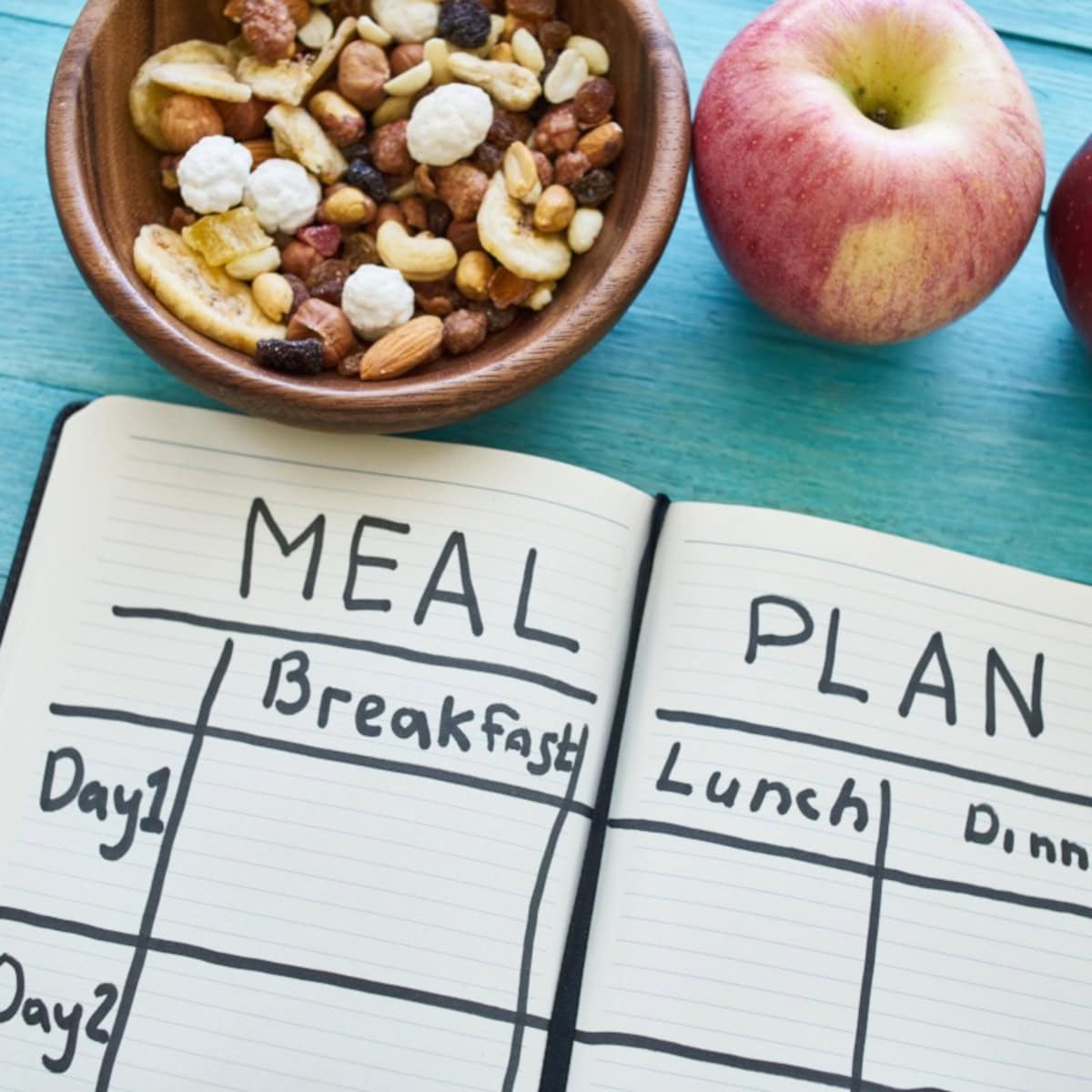
Many tools can assist with meal planning, from simple pen and paper to specialized apps and websites. These resources often offer recipe inspiration, shopping lists, and nutritional information to make meal planning easier and more enjoyable. Beginner-friendly apps can simplify meal tracking, ingredient tracking, and grocery lists.

Final thoughts
Meal planning is a powerful tool in adopting and maintaining a healthier lifestyle. By taking control of your meals, you not only nourish your body with the essential nutrients it needs but also save time, reduce stress, and support your health and wellness goals.
For beginners, starting with simple, realistic meal planning steps can make healthy eating feel achievable and sustainable. Start small, be patient with yourself, and enjoy the journey towards a healthier, happier you.


Leave a Reply