
If you've ever stood in the dairy-free aisle wondering whether to grab oat milk or almond milk, you're not alone. Plant-based milk options have become incredibly popular over the past decade, and both oat milk and almond milk have earned a loyal following for different reasons.
Jump To
- What Is Oat Milk?
- What Is Almond Milk?
- Oat Milk vs Almond Milk Nutrition
- Oat Milk vs Almond Milk Calories
- Oat Milk vs Almond Milk for Weight Loss
- Oat Milk vs Almond Milk Taste
- Is Oat Milk Better Than Almond Milk?
- Is Oat Milk Healthier Than Almond Milk?
- Oat Milk vs Almond Milk for Lactose Intolerance
- Oat Milk vs Almond Milk vs Soy Milk
- Oat Milk vs Almond Milk vs Coconut Milk
- Final Thoughts
- FAQ
- You May Also Like
Whether you're looking for a creamy addition to your morning coffee, a nutritious milk alternative, or simply trying to reduce dairy consumption, understanding the differences between these two popular choices can help you make the best decision for your lifestyle.
The debate around oat milk vs almond milk often comes down to nutrition, taste, environmental impact, and personal health goals. While both are plant-based alternatives to traditional dairy milk, they differ significantly in texture, calories, fiber content, protein levels, and overall nutritional profile.
In this guide, we'll compare oat milk versus almond milk in detail, helping you determine which option may be the better fit for your dietary needs and preferences.
What Is Oat Milk?
Before diving into the oat milk vs almond milk comparison, it's helpful to understand what each beverage actually is.
Oat milk is a plant-based milk made by blending oats with water and then straining the mixture. The result is a naturally creamy beverage with a mild, slightly sweet flavor. Because oats contain soluble fiber, oat milk often has a richer texture than many other dairy-free alternatives.
Many commercial oat milk products are fortified with vitamins and minerals, including calcium, vitamin D, and vitamin B12, making them nutritionally comparable to dairy milk in some areas. Oat milk has become especially popular among coffee drinkers because it froths well and creates a smooth, creamy consistency in lattes and cappuccinos.
What Is Almond Milk?
Almond milk is another widely consumed plant-based milk made by blending almonds with water and straining out the solids. It has a lighter texture and a mild nutty flavor that many people enjoy.
Compared to oat milk, almond milk is typically lower in calories and carbohydrates. Most store-bought versions are also fortified with nutrients such as calcium and vitamin D. Unsweetened almond milk has become a favorite among people following low-carb or calorie-conscious eating plans.
Because almonds contain healthy fats, almond milk provides a subtle richness, though it is generally thinner than oat milk.
Oat Milk vs Almond Milk Nutrition
One of the most common questions people ask is how oat milk and almond milk compare nutritionally.
While nutritional values vary by brand and whether the product is sweetened or unsweetened, some general trends exist.
Oat milk usually contains more carbohydrates because oats are naturally rich in starches. It also provides more fiber than almond milk, which can help support digestive health and promote feelings of fullness.
Almond milk, on the other hand, is often significantly lower in calories. Unsweetened almond milk typically contains around 30 to 40 calories per serving, while oat milk can range from 90 to 140 calories per serving, depending on the brand and ingredients.
Protein levels are relatively low in both options compared to dairy milk or soy milk. When comparing oat milk vs almond milk protein content, neither is generally considered a high-protein beverage, though nutritional values can vary among brands.
Quick Nutrition Comparison
Oat Milk
- Higher in fiber
- Higher in carbohydrates
- More calories
- Naturally creamy texture
- Often contains beta-glucan fiber
Almond Milk
- Lower in calories
- Lower in carbohydrates
- Lower in fiber
- Lighter consistency
- Contains healthy fats from almonds
Oat Milk vs Almond Milk Calories
For many people, calorie content plays a major role when choosing a plant-based milk.
When comparing oat milk vs almond milk calories, almond milk is usually the lower-calorie option. Unsweetened almond milk can contain less than half the calories found in a typical serving of oat milk.
However, calories alone don't tell the whole story. Oat milk's additional fiber and carbohydrates may help provide longer-lasting energy and satiety. Depending on your health goals, the extra calories may actually be beneficial.
If you're trying to reduce calorie intake, almond milk may have an advantage. If you're looking for a more filling beverage, oat milk may be worth considering.
Oat Milk vs Almond Milk for Weight Loss
Many readers wonder about oat milk vs almond milk for weight loss.
Almond milk is often recommended for weight management because of its lower calorie content. Replacing higher-calorie beverages with unsweetened almond milk can help reduce overall calorie consumption.
However, oat milk contains fiber, which may contribute to feelings of fullness. Some people find that oat milk keeps them satisfied longer between meals.
The better choice depends on your overall eating habits. If calorie reduction is your primary goal, almond milk may be the winner. If you struggle with hunger and want a more satisfying option, oat milk could be helpful.
Oat Milk vs Almond Milk Taste
Taste preferences are highly personal, but there are some noticeable differences.
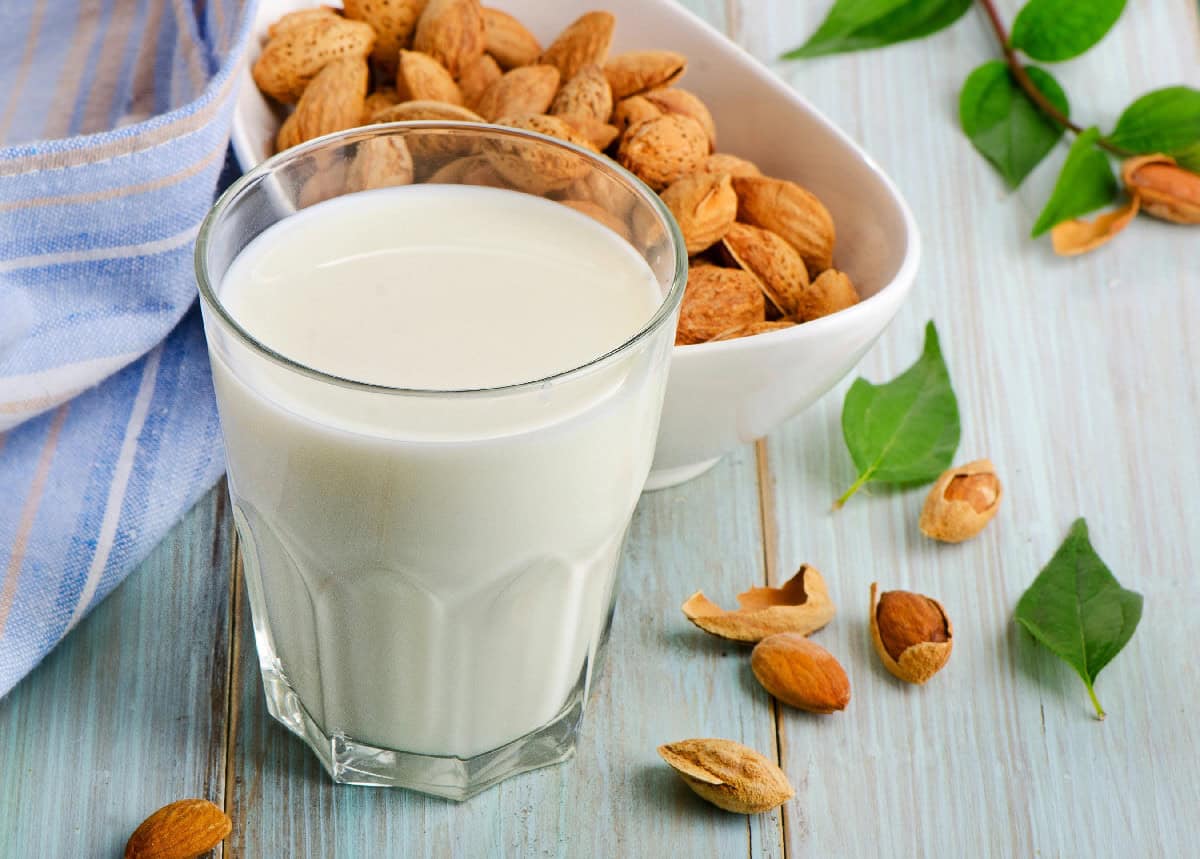
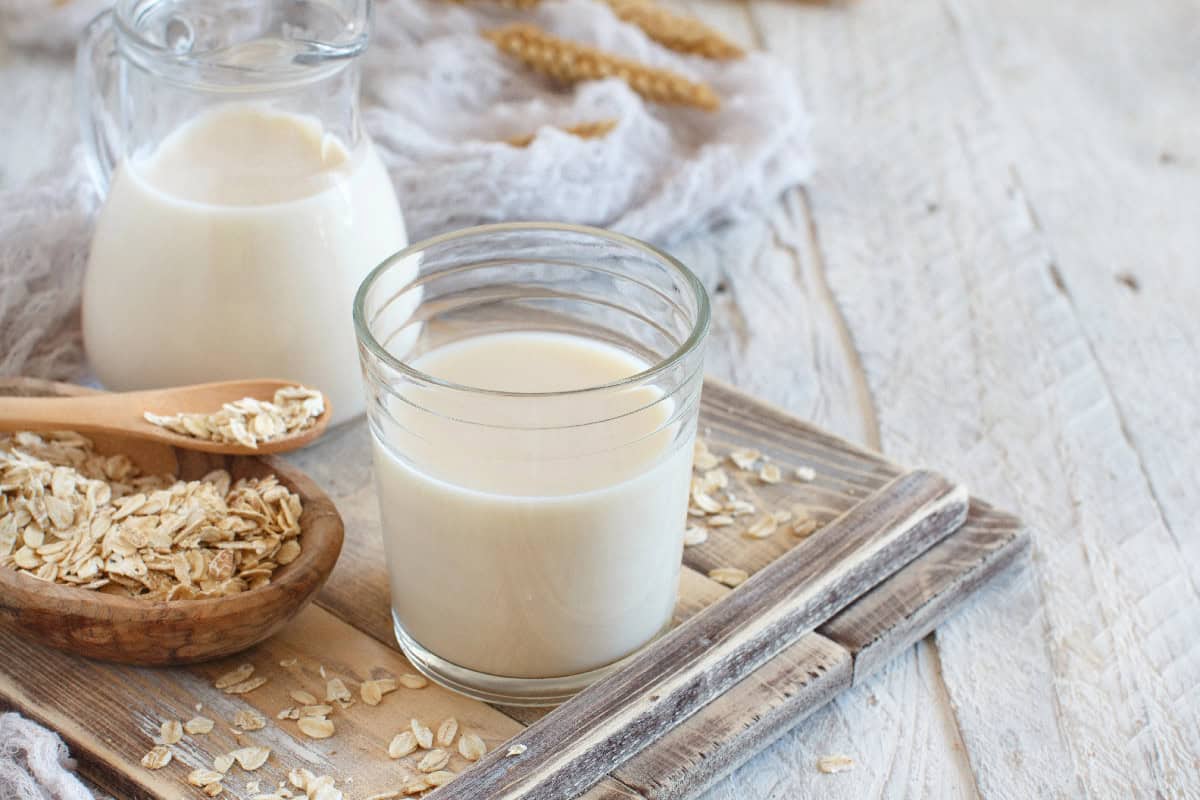
When discussing the taste of oat milk vs. almond milk, oat milk is generally described as creamy, smooth, and slightly sweet. It has a neutral flavor that works well in coffee, smoothies, cereal, and baking.
Almond milk offers a lighter body and a subtle nutty flavor. Some people enjoy its delicate taste, while others find it less creamy than they would like.
If you love rich coffee drinks, you may prefer oat milk. If you enjoy a lighter beverage with a mild almond flavor, almond milk may be more appealing.
Is Oat Milk Better Than Almond Milk?
The question "Is oat milk better than almond milk?" doesn't have a universal answer.
Oat milk may be better for people who want:
- More fiber
- A creamier texture
- Better performance in coffee drinks
- A richer mouthfeel
Almond milk may be better for people who want:
- Fewer calories
- Lower carbohydrate intake
- A lighter texture
- A nutty flavor
Ultimately, the best plant-based milk depends on your dietary needs, taste preferences, and health goals.
Is Oat Milk Healthier Than Almond Milk?
Another common question is whether oat milk is healthier than almond milk.
From a health perspective, both beverages can be part of a balanced diet. Oat milk offers fiber, including beta-glucan, which has been associated with heart health benefits. Almond milk is lower in calories and may fit well into calorie-conscious eating patterns.
The healthiest option often depends on individual circumstances. Someone focused on digestive health may appreciate the fiber in oat milk, while someone managing calorie intake may favor almond milk.
When evaluating the health benefits of oat milk vs almond milk, it's important to read nutrition labels and choose unsweetened varieties whenever possible.
Oat Milk vs Almond Milk for Lactose Intolerance
Both oat milk and almond milk are naturally lactose-free, making them excellent choices for people with lactose intolerance.
Since neither contains dairy, they can serve as effective replacements for traditional milk in cooking, baking, coffee drinks, and everyday use.
Individuals with tree nut allergies should avoid almond milk and may find oat milk a safer alternative, provided it is produced in a facility that minimizes cross-contamination.
Oat Milk vs Almond Milk vs Soy Milk
Many shoppers also compare oat milk vs almond milk vs soy milk.
Soy milk stands out because it typically contains more protein than either oat milk or almond milk. Nutritionally, soy milk is often considered the closest plant-based substitute to dairy milk.
Oat milk excels in creaminess and fiber content, while almond milk remains one of the lowest-calorie options available.
The ideal choice depends on what matters most to you: protein, fiber, taste, texture, or calories.
Oat Milk vs Almond Milk vs Coconut Milk
Another common comparison is oat milk vs almond milk vs coconut milk.
Coconut milk beverages tend to have a distinctive tropical flavor and are often low in protein. They can be a good choice for people who enjoy the taste of coconut, but nutritionally, they differ significantly from oat and almond milk.
Oat milk generally provides more fiber, almond milk offers fewer calories, and coconut milk delivers its own unique flavor profile.
Final Thoughts
When comparing oat milk vs almond milk, there isn't a single winner. Both are popular plant-based milk options with different nutritional profiles and uses.
If you value creaminess, fiber, and a fuller texture, oat milk may be your best choice. If you prefer fewer calories and a lighter taste, almond milk may be the better fit.
When deciding between oat milk and almond milk, consider your dietary preferences, cooking needs, and how you plan to use them. Many people keep both on hand and use them for different purposes, from coffee and smoothies to baking.
Ultimately, the best plant-based milk is the one that fits your lifestyle and tastes good enough to enjoy regularly.
FAQ
Both can be healthy choices. Oat milk provides more fiber, while almond milk is usually lower in calories. The healthier option depends on your nutritional needs and health goals.
Not necessarily. Almond milk generally contains fewer calories, which may support weight loss. However, oat milk's fiber content may help you feel fuller for longer.
Yes. In most cases, oat milk contains significantly more calories than unsweetened almond milk because it has more carbohydrates.
Taste is subjective. Oat milk is creamier and slightly sweet, while almond milk has a lighter texture and a mild nutty flavor.
Many coffee enthusiasts prefer oat milk because it froths well and creates a creamy texture that blends smoothly into espresso drinks.
Protein levels vary by brand, but both are relatively low in protein. Soy milk typically contains more protein than either oat milk or almond milk.



Leave a Reply